If you’re planning a trip to Oʻahu, you’re in for a little bit of everything. You can spend the morning at the beach in Waikīkī, head out to the North Shore for beaches and big-wave scenery, visit historic places like Pearl Harbor, and still make it back in time for sunset. Oʻahu can feel busy, peaceful, touristy, local, exciting, and relaxing all in the same day. In this guide, I’ll share the places worth seeing, the areas that are best to stay in, what to expect when getting around, and a few local tips that can make your trip a whole lot easier.
Note: This page contains affiliate links. If you book a tour or make a purchase through one of these links, I may earn a commission at no additional cost to you. All opinions and recommendations are my own.
Oʻahu at a Glance
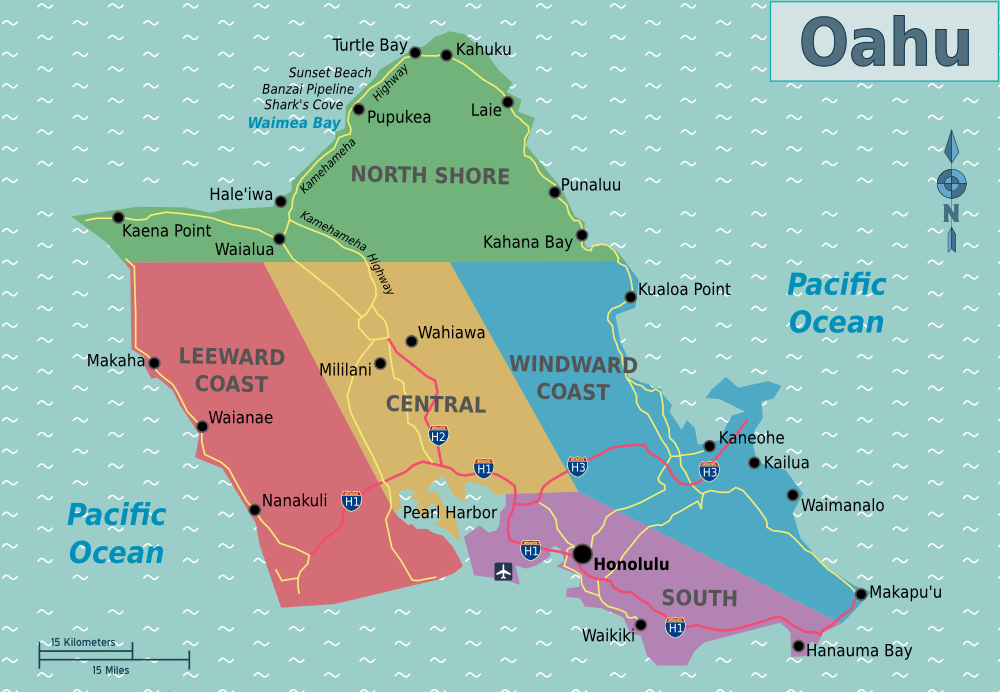
- Population: Approximately 989,000 residents (2025 estimate)
- Size: Approximately 597 square miles
- Largest city: Honolulu
- Main airport: Daniel K. Inouye International Airport (HNL)
- Recommended stay: At least 5 to 7 days for a first visit
Where Should You Stay on Oʻahu?
Where you stay on Oʻahu can really change the feel of your vacation. Waikīkī is the most convenient choice for first-time visitors, with tons of restaurants, shopping, beaches, and activities within walking distance. Ko Olina is quieter and more resort-focused, while the North Shore has a much more laid-back feel and is perfect if you want to get away from the city. Each area has its pros and cons, so the best choice really depends on what kind of Hawaii vacation you’re looking for.
Do You Need a Rental Car on Oʻahu?
You can definitely enjoy Oʻahu without renting a car, especially if you’re staying in Waikīkī and plan to spend most of your time nearby. But if you want to explore places like the North Shore, Kailua, or some of the island’s more tucked-away beaches, having a car makes things much easier. Oʻahu also has a public bus system, but travel times can be long, so for most visitors who want to see more of the island, I usually think renting a car for at least part of the trip is worth it.
How Many Days Do You Need on Oʻahu?
I usually recommend spending at least five to seven days on Oʻahu if you want enough time to enjoy the island without feeling rushed. That gives you time for Waikīkī, the North Shore, Pearl Harbor, a few beach days, and some exploring in between. You can absolutely see a lot in three or four days, but if Oʻahu is your main destination, a full week gives you a much more relaxed pace.
Things You Shouldn’t Miss on Oʻahu
Pearl Harbor
Location: Pearl Harbor National Memorial, 1 Arizona Memorial Place, Honolulu, HI 96818
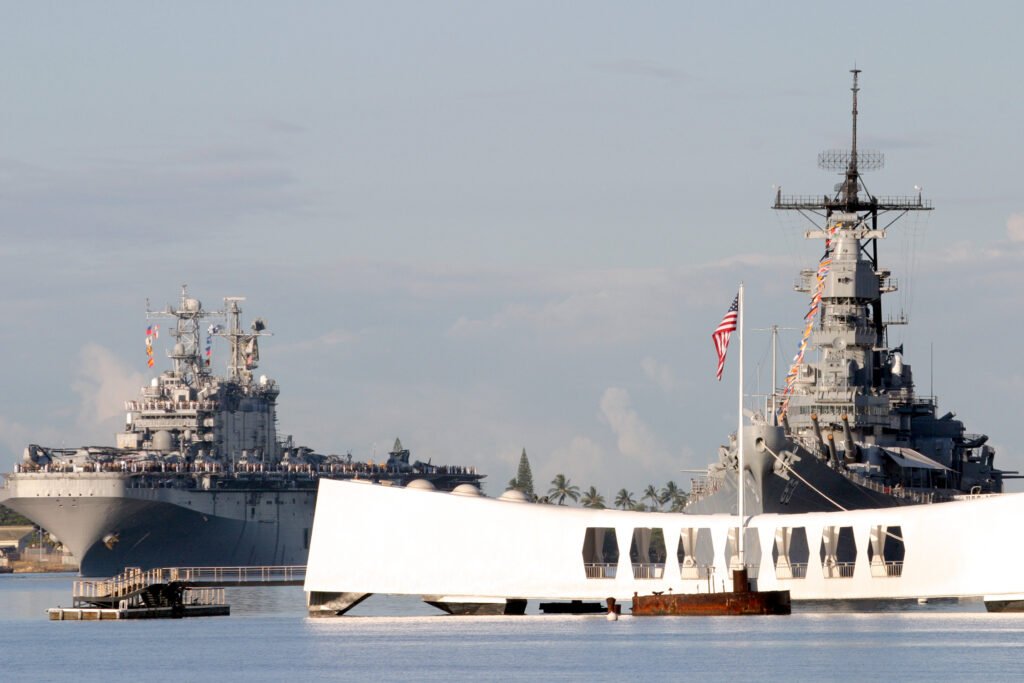
Pearl Harbor is one of those places I think everyone should visit at least once, even if you’re not normally a history person. On December 7, 1941, the Japanese attack on Pearl Harbor killed more than 2,400 Americans and led the United States into World War II. Today, the USS Arizona Memorial sits above the sunken battleship and serves as a powerful reminder of the lives lost that day.
Visiting the memorial is a very different experience from the beaches and sightseeing most people associate with Hawaii, but that’s exactly why I think it deserves a spot on an Oʻahu itinerary. It’s quiet, emotional, and an important part of both Hawaii and American history.
For travelers who want transportation included and a little more context beyond Pearl Harbor itself, the Pearl Harbor City Tour is a highly rated option. The approximately five-hour tour includes Waikīkī pickup, a visit to the Pearl Harbor Visitor Center and USS Arizona Memorial, plus a drive past several well-known Honolulu landmarks.
One tip: If you want to take the boat out to the USS Arizona Memorial, I highly recommend reserving your time in advance. The memorial program is free, but there is a small $1 reservation fee through Recreation.gov, and reservations can fill quickly. You can reserve your USS Arizona Memorial visit here.
You can also find current hours, visitor information, and any updates on the official Pearl Harbor National Memorial website.
Diamond Head
Location: Diamond Head State Monument, Honolulu, HI 96816
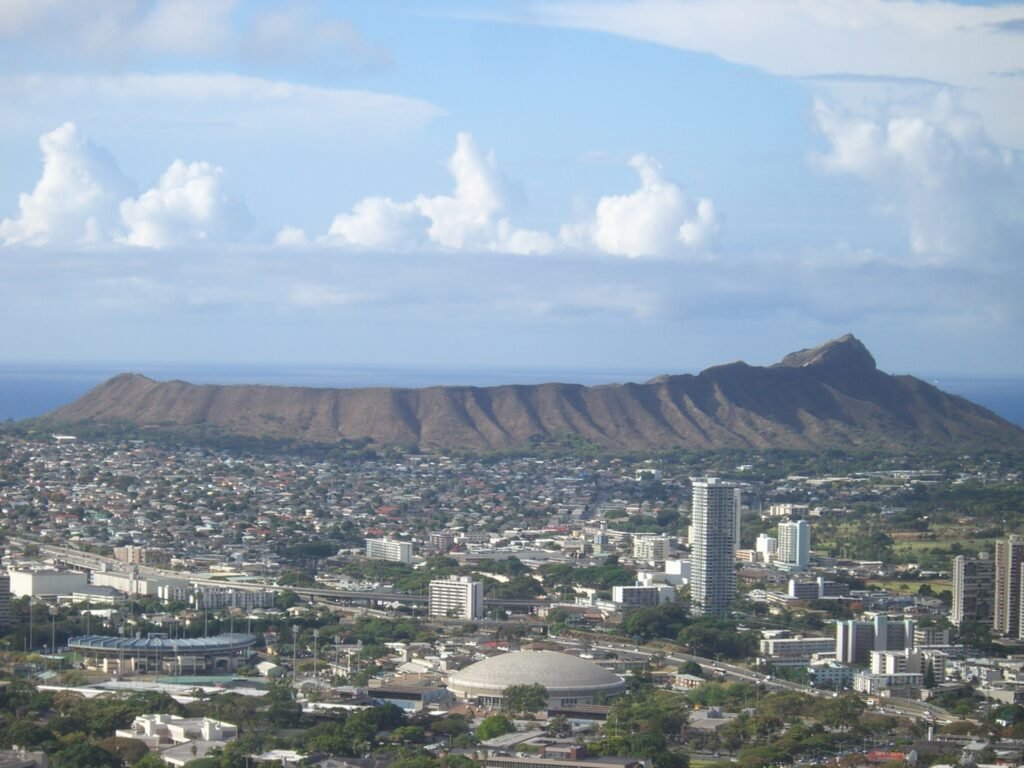
Diamond Head, or Lēʻahi, is one of the most recognizable landmarks on Oʻahu, and the hike to the top is one of those classic Hawaii experiences that I think is worth doing at least once. What a lot of visitors do not realize is that the trail was originally built in 1908 as part of Oʻahu’s coastal defense system. Along the way, you will pass through tunnels, climb stairs, and see remnants of its military history before reaching the lookout at the top.
The hike is about 1.6 miles round trip with roughly 560 feet of elevation gain. It is not especially long, but it can feel surprisingly challenging because of the incline, stairs, uneven sections of the trail, and Hawaii heat. Plan on about 1.5 to 2 hours so you have plenty of time to enjoy the hike without feeling rushed. Once you reach the top, you are rewarded with beautiful views of Waikīkī, Honolulu, and the coastline. I recommend going earlier in the day when temperatures are cooler, wearing comfortable walking shoes, and bringing plenty of water.
One tip: If you are visiting from outside Hawaiʻi, you will need to make a reservation before you go. Hawaiʻi residents with a valid Hawaiʻi State ID or driver’s license do not need a reservation. Reservations for nonresidents can fill up, especially for the earlier time slots, so I recommend booking in advance.
You can book your Diamond Head reservation here through the official Hawaiʻi State Parks reservation website.
North Shore
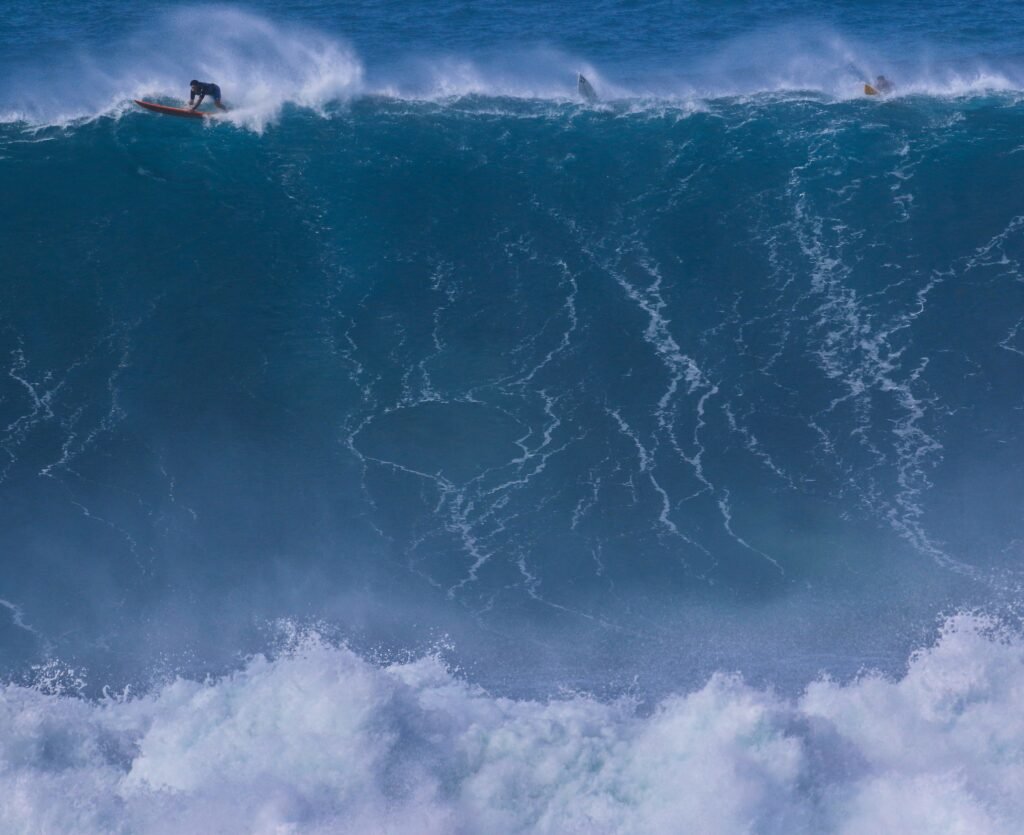
The North Shore is one of my favorite parts of Oʻahu because it feels so different from Waikīkī and Honolulu. Once you get out of the city, the pace starts to slow down, and you will find famous surf beaches, small towns, food trucks, and some of the prettiest stretches of coastline on the island. Haleʻiwa is a great first stop for food, shave ice, shopping, or just walking around before continuing farther along the coast.
Getting there: From Waikīkī, plan on about an hour to reach Haleʻiwa by car in normal traffic. Waimea Bay is about 15 minutes farther. The most direct route takes you west on H-1, north on H-2, and then onto Kamehameha Highway toward Haleʻiwa. Traffic can add quite a bit of time, especially on weekends, holidays, and days with big surf, so I recommend starting earlier in the day.
If you are not renting a car, you can also take TheBus. From Waikīkī, you can take Route 20, 42, or E to Ala Moana Center, then transfer to Route 52 or Route 60 toward the North Shore. Route 52 is a good option for getting to Haleʻiwa, while Route 60 travels along the North Shore and serves areas such as Pūpūkea and Turtle Bay. Taking the bus is definitely doable, but it takes longer than driving, so give yourself plenty of time and check the current schedule before you leave.
In the winter months, the North Shore is famous for its huge waves and some of the best surfing in the world. Beaches like Waimea Bay, Sunset Beach, and Ehukai Beach, home of the Banzai Pipeline, can be incredible to watch, but the ocean can also be extremely dangerous during large surf. In the summer, the North Shore is usually much calmer and can feel completely different.
One tip: Give yourself most of the day for the North Shore. I would not try to rush through it. Part of the fun is stopping along the way, grabbing something to eat, checking out the beaches, and just enjoying the slower pace.
Places Worth Stopping For
Haleʻiwa Town
Location: Haleʻiwa, HI 96712
I would make Haleʻiwa one of your first stops on the North Shore. This historic surf town has a relaxed feel, with local shops, galleries, restaurants, and plenty of places to grab a snack or shave ice. It is a nice place to walk around for a while before heading farther up the coast to the beaches.
Waimea Bay
Location: Waimea Bay Beach Park, Haleʻiwa, HI 96712
Waimea Bay is one of the most famous beaches on the North Shore and is worth stopping at even if you do not plan to swim. During the winter, the bay can have huge waves and is known for big-wave surfing. In the summer, the ocean is often much calmer and the beach can feel completely different. Always check the ocean conditions before getting in the water.
Parking tip: Waimea Bay has a small parking lot that can fill up quickly, especially on weekends and during busy surf days. If Waimea Bay is one of your must-see stops, I recommend arriving earlier in the day. Do not use the Waimea Valley parking lot just to visit the beach, since that parking is reserved for Waimea Valley guests.
Waimea Valley
Location: Waimea Valley, North Shore, Oʻahu
Waimea Valley is a beautiful cultural and botanical attraction just across from Waimea Bay. The main path is paved and takes you through tropical gardens, Hawaiian cultural sites, and scenic areas before ending at Waimea Falls. It is a nice change of pace from the beaches and gives you a chance to experience more of the history, culture, and natural beauty of the North Shore.
The walk to the waterfall is about three-quarters of a mile each way on the paved main path. Swimming at the falls may be available when conditions allow, and lifeguards are on duty.
One tip: Waimea Valley charges admission, so I recommend checking the current hours, ticket prices, and waterfall conditions before you go.
Banzai Pipeline / ʻEhukai Beach Park
Location: ʻEhukai Beach Park, Pūpūkea, Oʻahu
This is one of the most famous surf spots in the world and a must-see if you are visiting the North Shore during winter surf season. The waves here can be incredibly powerful, and when conditions are right, you may get to watch some of the best surfers in the world take on the Pipeline.
Even if you are not a surfer, it is a great place to stop and watch the ocean. Just keep in mind that this is not a beginner swimming beach when the surf is up. Strong waves, currents, and shorebreak can make the water extremely dangerous.
One tip: If the surf is large, stay well back from the shoreline and follow all posted warnings. Conditions can change quickly.
Sunset Beach
Location: Sunset Beach Park, Pūpūkea, Oʻahu
Sunset Beach is another classic North Shore stop, especially if you want a long stretch of sand and beautiful ocean views. In the winter, this area is known for powerful surf and major surfing events. In the summer, the water is often much calmer and the beach can feel completely different.
It is also a great place to stop later in the day if you want to catch the sunset. Just like the other North Shore beaches, always pay attention to posted warnings and ocean conditions before getting in the water.
One tip: Parking can be limited during busy periods, so give yourself extra time if you are visiting on a weekend or when the surf is large.
Waikīkī Beach
Location: Waikīkī Beach, Honolulu, HI 96815
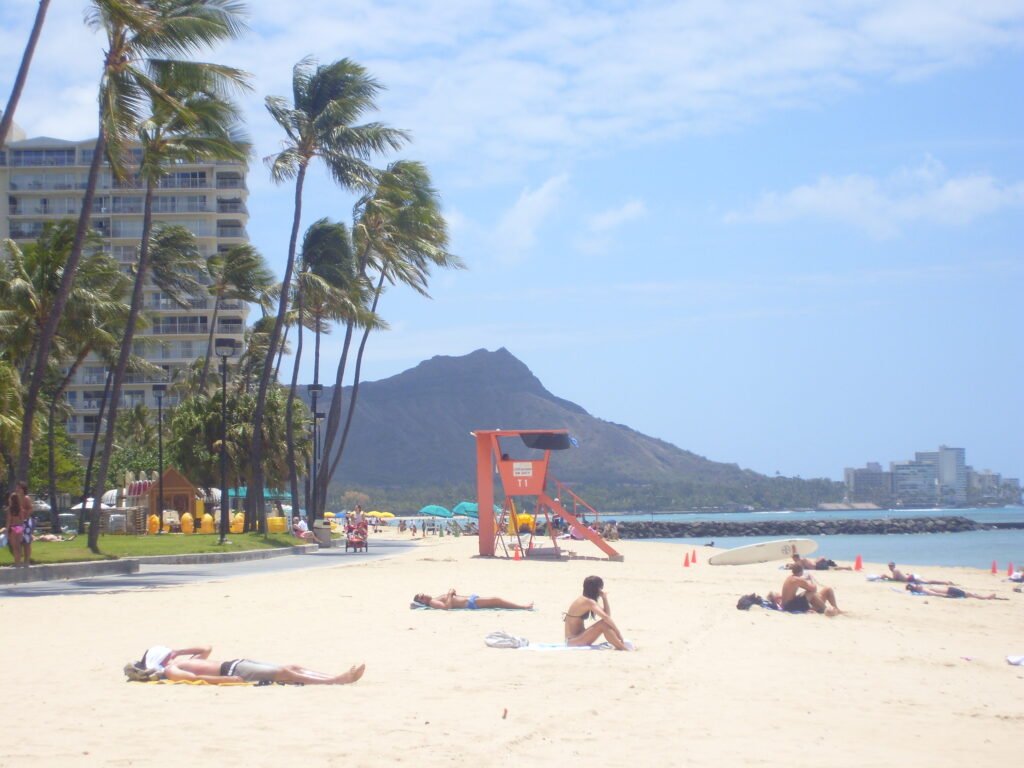
Waikīkī Beach is probably the most famous stretch of shoreline on Oʻahu, and even though it can be busy, I still think every first-time visitor should experience it at least once. With Diamond Head in the background, surfers in the water, and hotels and restaurants lining the beach, Waikīkī has an energy that feels completely different from the quieter parts of the island.
Waikīkī also has a long connection to Hawaii’s surfing history. Hawaiian royalty once surfed and spent time along this coastline, and legendary Hawaiian swimmer and surfer Duke Kahanamoku later helped introduce surfing to people around the world. Today, Waikīkī is still one of the easiest places on Oʻahu to watch surfers or try a beginner surf lesson.
One of the best things about Waikīkī is how easy it is to explore on foot. You can walk along the beach, stop by the Duke Kahanamoku Statue, browse the shops along Kalākaua Avenue, grab something to eat, or simply find a spot in the sand and enjoy the view. If you want to try surfing for the first time, Waikīkī is also one of the most popular places on Oʻahu for beginner surf lessons because the waves are often gentler than at many other beaches around the island.
Parking tip: If you are staying in Waikīkī, I would leave the car parked and explore the area on foot. If you are driving in for the day, plan ahead because parking can be limited and expensive. Hotel garages, public parking garages, and metered street parking are available, but spaces can fill quickly, especially in the afternoon and around sunset.
Location: Kūhiō Beach, along Kalākaua Avenue in Waikīkī
If you are not sure where to start exploring Waikīkī Beach, the Duke Kahanamoku Statue at Kūhiō Beach is a great landmark to use. The bronze statue honors Duke Paoa Kahanamoku, the legendary Hawaiian swimmer, surfer, and Olympic champion who helped introduce surfing to people around the world. Today, the statue has become one of the most recognizable landmarks in Waikīkī.
From here, you can walk along the beachfront in either direction, watch surfers, enjoy the beach, or continue along Kalākaua Avenue for shopping and restaurants. It is also a popular place to stop for a photo while exploring Waikīkī.
Hanauma Bay
Location: 7455 Kalanianaʻole Hwy, Honolulu, HI 96825
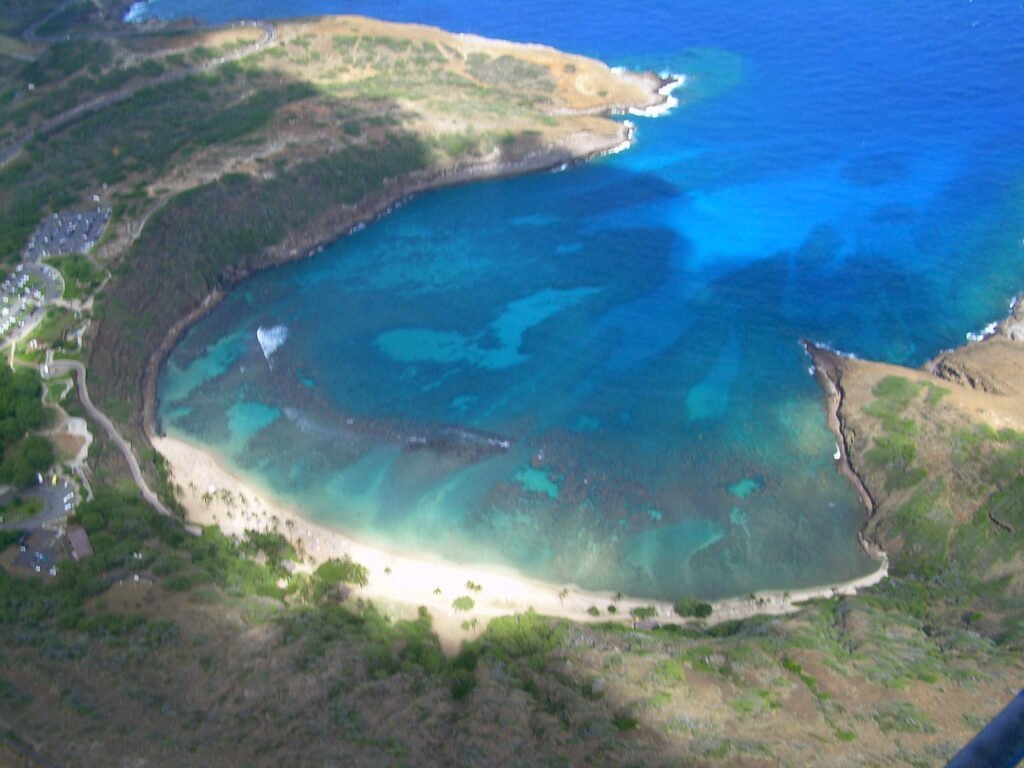
Hanauma Bay is one of the most famous snorkeling spots on Oʻahu, but it is much more than just a pretty beach. The bay has long been culturally significant to Native Hawaiians and was once a favorite fishing area for Hawaiian royalty. In 1967, Hanauma Bay became Hawaiʻi’s first Marine Life Conservation District, helping protect the reef and marine life that make this area so special.
The protected bay is a great place to see tropical fish and experience Hawaii’s underwater world, especially if snorkeling is high on your vacation list. Before heading down to the beach, visitors are required to watch a short educational video about protecting the bay and safely enjoying the marine environment.
Disclosure: As an Amazon Associate, I earn from qualifying purchases.
Snorkeling tip: If you already have snorkeling gear, I recommend bringing it with you. When I took my sister to Hanauma Bay while she was visiting from the mainland, we brought our own snorkeling gear, and I was really glad we did. Having your own mask and snorkel means you are ready to get in the water without having to worry about finding equipment once you arrive. If you do not already have snorkeling gear, you can check out the adult snorkeling set I recommend here. If you are traveling with children, I also included a kids snorkeling set that may be a better fit for them.
Sunscreen tip: Because Hanauma Bay is a protected marine environment, be mindful of the sunscreen you bring into the water. Hawaiʻi prohibits the sale and distribution of sunscreens containing oxybenzone or octinoxate without a prescription because of concerns about their effects on marine ecosystems. I recommend bringing a mineral sunscreen with zinc oxide or titanium dioxide. If you need one for your trip, you can check out the mineral sunscreen I recommend here.
Reservations and admission: Hanauma Bay is open to the public Wednesday through Sunday and is closed on Monday and Tuesday. Non-Hawaiʻi residents age 13 and older currently pay a $25 admission fee, plus the online service fee. Children age 12 and younger are free. Hawaiʻi residents with valid Hawaiʻi identification can enter for free without a reservation.
Online reservations open two days before your visit beginning at 7 a.m. Hawaii Standard Time. A limited number of walk-in tickets may be available, but I would not rely on getting one if Hanauma Bay is high on your list. I recommend making a reservation as soon as your date becomes available.
Parking tip: The parking lot is limited, and having an admission reservation does not guarantee you a parking space. Parking currently costs $3 for nonresidents and $1 for Hawaiʻi residents, and the parking booth accepts cash only.
Kualoa Ranch
Location: 49-560 Kamehameha Highway, Kāneʻohe, HI 96744
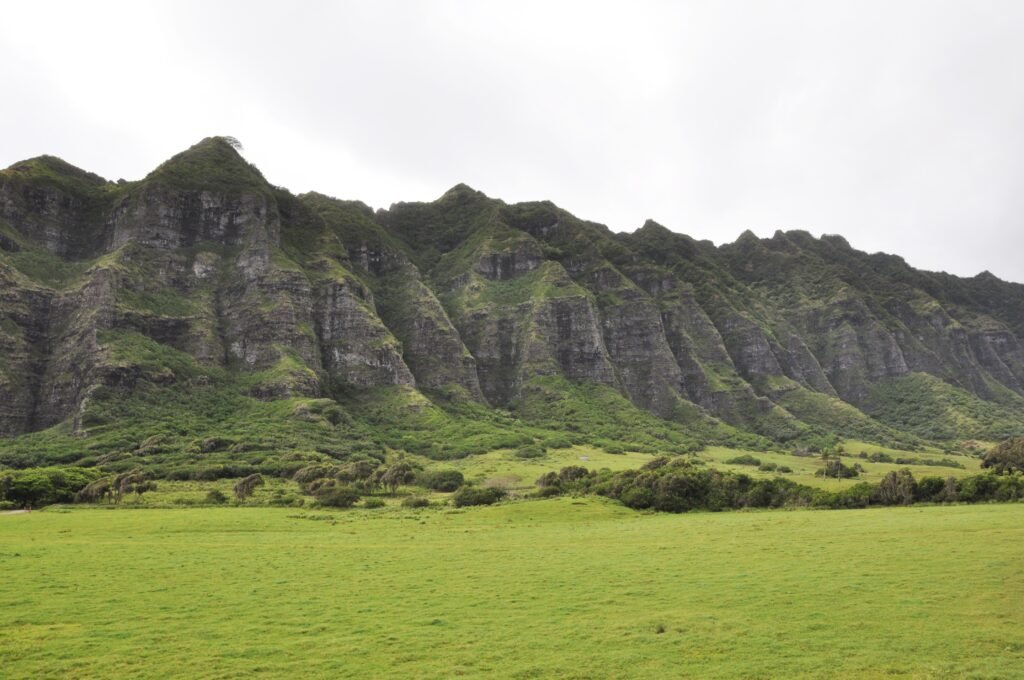
Kualoa Ranch is one of those places on Oʻahu where the scenery alone makes the trip worth it. The 4,000-acre private nature reserve and working ranch has been in the same family since the 1800s and stretches across some of the most dramatic valleys and mountain scenery on the island.
You may recognize parts of Kualoa even if you have never been there before. The ranch has been used as a filming location for movies and television shows including Jurassic Park, Jurassic World, Jumanji, Kong: Skull Island, LOST, and Hawaii Five-0. That is a big part of the attraction, but I would not think of Kualoa as just a movie-tour stop. The valleys, cultural history, farming, ranching, and views are a huge part of the experience too.
There are several ways to explore the property, including movie-site tours, UTV tours, horseback riding, e-bike tours, jungle tours, ziplining, and beach and ocean experiences. If you are a Jurassic Park fan, the movie and Jurassic-themed tours are especially fun, while the UTV tours are a good choice if you want something a little more adventurous.
For travelers who want a more adventurous way to explore Kualoa Ranch, the Kualoa Ranch UTV Raptor Tour is a highly rated option. The approximately two-hour experience takes visitors through scenic ranch terrain and well-known filming locations in an off-road UTV, making it a fun choice for travelers who want something more active than a standard sightseeing tour.
Can you visit without a tour? You can stop at Kualoa Ranch without booking an activity to visit the public areas, browse the gift shop, grab something to eat, and enjoy some of the scenery. However, you cannot freely explore the valleys, movie sites, or most of the ranch property on your own. Those areas are only accessible through one of Kualoa’s guided tours or activities.
One tip: Decide which tour you want before you arrive and reserve it in advance here. Kualoa Ranch recommends advance reservations because tours have limited availability and popular options can sell out. If Kualoa is one of the attractions you really want to experience, I would not wait until you are already on Oʻahu to book it.
Getting there: Kualoa Ranch is about 22 miles from Waikīkī, and the drive usually takes around 45 minutes without heavy traffic. I recommend allowing extra time, especially during morning traffic or on busy weekends.
If you do not have a rental car, you can also take TheBus. From Waikīkī, take a bus to Ala Moana Center and transfer to Route 60, which stops at Kualoa Ranch. The bus will take longer than driving, so be sure to check the current schedule before you leave.
Kualoa Ranch also offers transportation from select Waikīkī pickup locations with certain tour bookings, which can be a convenient option if you would rather not drive.
ʻIolani Palace
Location: 364 South King Street, Honolulu, HI 96813
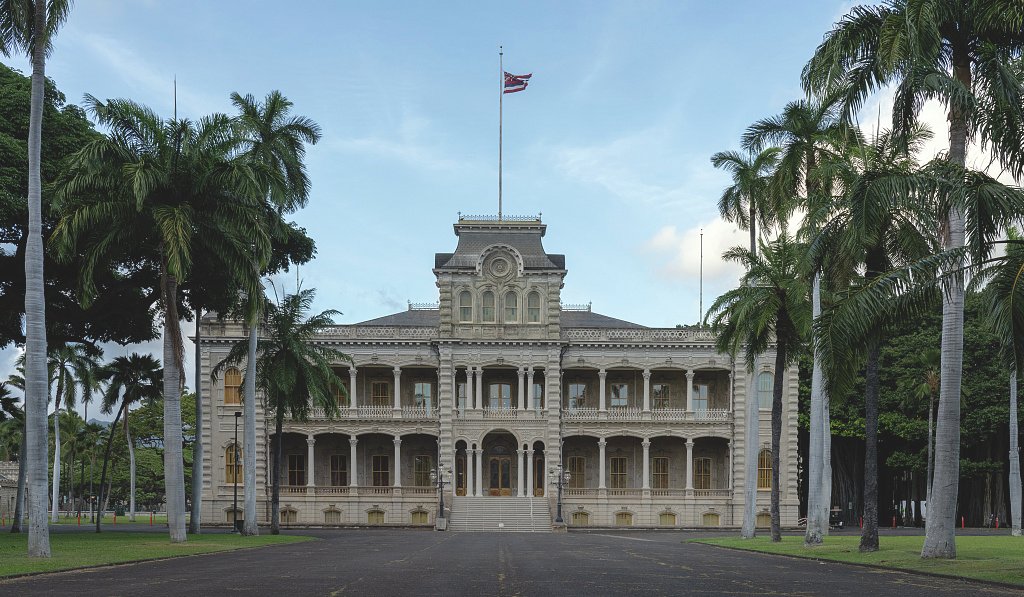
ʻIolani Palace is one of the most important historic places you can visit on Oʻahu. Completed in 1882, it served as the official royal residence of King Kalākaua and later his sister and successor, Queen Liliʻuokalani. Walking through the Palace gives you a much deeper look at the Hawaiian Kingdom and a side of Hawaii’s history that many visitors know very little about before they arrive.
King Kalākaua wanted the Palace to reflect Hawaiʻi as a modern nation, and it included advanced features for its time such as electric lighting, telephones, and indoor plumbing. Inside, you can see restored rooms, royal furnishings, and spaces where important events in Hawaiian history took place.
One of the most emotional parts of the visit is the upstairs room where Queen Liliʻuokalani was imprisoned for nearly eight months in 1895 after an unsuccessful attempt by Hawaiian royalists to restore her to power. Seeing that room in person adds a very different perspective to the history of the Hawaiian monarchy and the events surrounding its overthrow.
One tip: I recommend reserving your tour in advance here. ʻIolani Palace offers both guided and self-led audio tours, and ticket sales are currently online only. Tour options vary by day and time, and the Palace is open for tours Tuesday through Saturday.
Parking tip: Parking on the ʻIolani Palace grounds is limited, so I recommend arriving a little early. If the Palace lot is full, another option is the Aliʻi Place parking garage at 1099 Alakea Street, which is only about a 3 to 5 minute walk from the Palace.
Windward Oʻahu
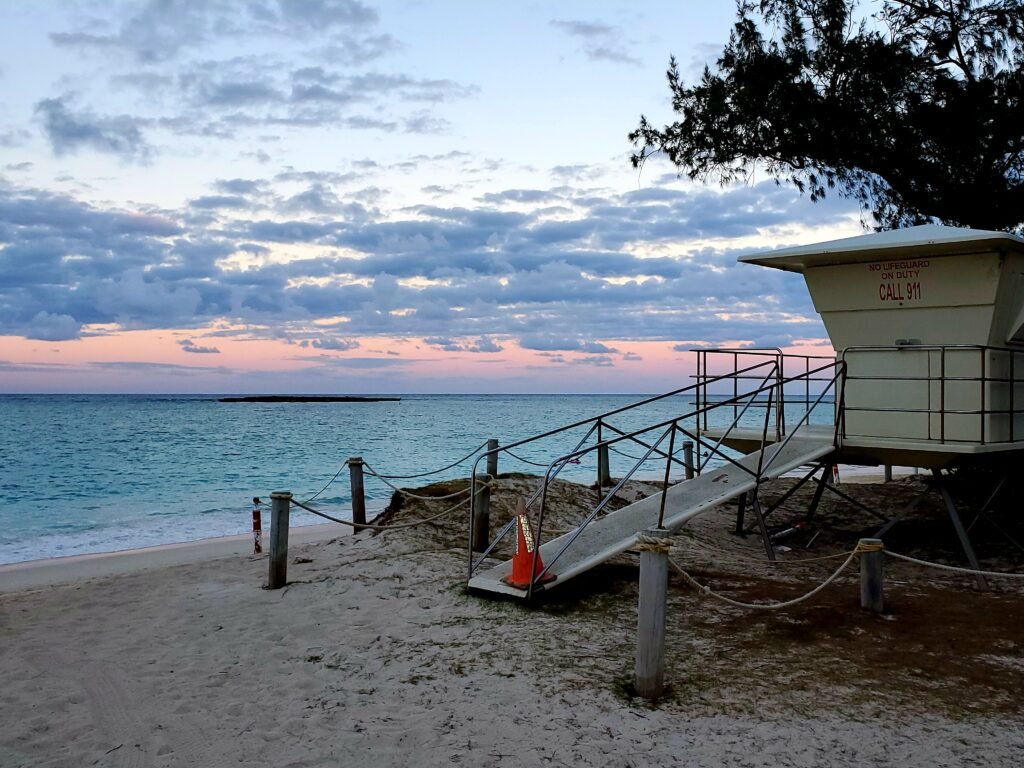
The windward side of Oʻahu feels completely different from Waikīkī and Honolulu. This side of the island is greener, quieter, and backed by the dramatic Koʻolau Mountains, with beautiful beaches, small communities, and some of the most scenic drives on Oʻahu.
Kailua is one of the best-known areas on the windward side, but it is also a community where people live, work, and raise their families. If you visit, be especially mindful of where you park, keep noise down, never block driveways, and respect residential areas. I would rather point visitors toward places that are set up to handle guests, such as Kailua Beach Park, instead of encouraging people to crowd into quieter neighborhood beach access points.
Kailua Beach Park
Location: 526 Kawailoa Road, Kailua, HI 96734
Kailua Beach Park is a much better choice for visitors who want to enjoy the windward coastline without crowding into nearby residential neighborhoods. The beach has a long stretch of soft sand, beautiful views of the offshore Mokulua Islands, and plenty of room to spend a few hours relaxing by the water. It is also a popular area for swimming, kayaking, and other ocean activities when conditions are appropriate.
One thing I love about this side of the island is the view of the Koʻolau Mountains behind you while you are looking out toward the ocean. It feels completely different from Waikīkī and is a great place to slow down for a while before exploring Kailua Town.
Parking tip: Kailua Beach Park has public parking, but it can get busy, especially on weekends and holidays. Arriving earlier in the day usually makes things easier. Be careful not to park illegally on nearby residential streets, block driveways, or ignore posted parking restrictions.
Kailua Town
Location: Kailua Town, Kailua, HI 96734
Good starting point: Kailua Shopping Center, 600 Kailua Road, Kailua, HI 96734
Kailua Town is a nice place to spend some time after the beach, especially if you want to grab lunch, get coffee, or browse a few shops. The town center has more than 125 shops, restaurants, activities, and services, but it still feels much smaller and more relaxed than Waikīkī.
I like pairing Kailua Beach Park with some time in town rather than treating the beach as the only reason to come to this side of the island. You can have breakfast or lunch, walk around the shops, and take a break from the sun before continuing your drive around Windward Oʻahu.
Parking tip: Several of the Kailua Town shopping centers currently offer up to three hours of complimentary self-parking, which makes this an easier place to stop than trying to find parking in the surrounding residential neighborhoods.
Makapuʻu Point Lighthouse Trail
Location: Kaiwi State Scenic Shoreline, off Kalanianaʻole Highway (Highway 72), East Oʻahu
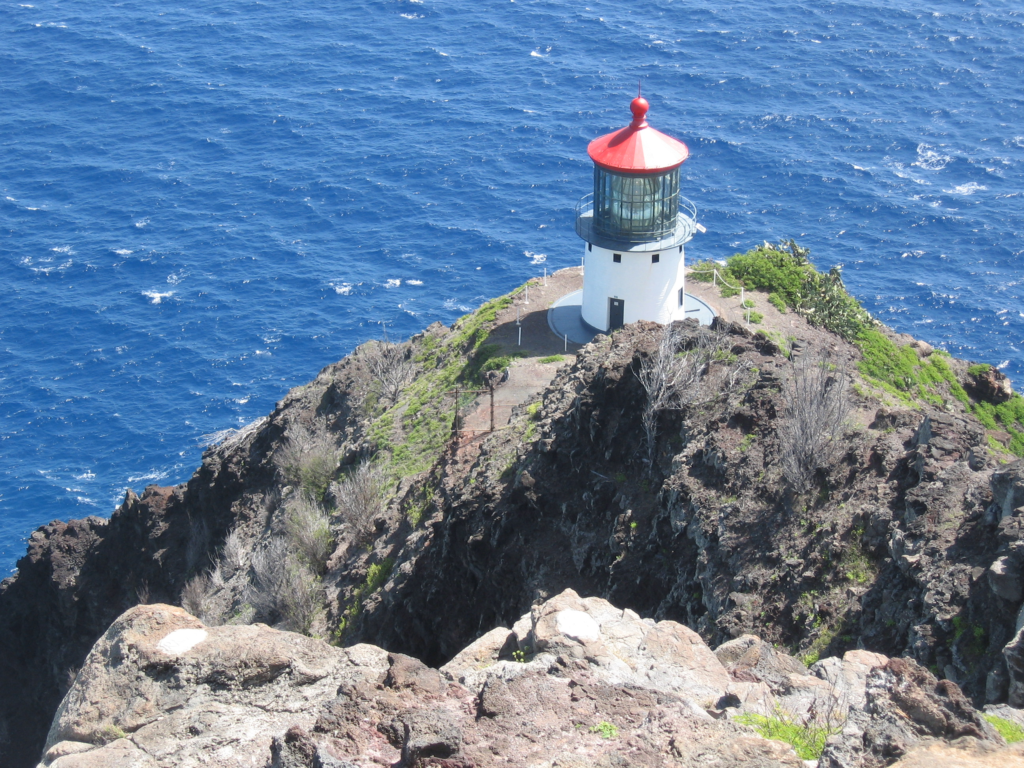
Makapuʻu Point Lighthouse Trail is one of my favorite scenic walks on the east side of Oʻahu. The paved trail climbs along the coastline and gives you beautiful views of the ocean, Koko Head, the windward coast, and the historic red-roofed Makapuʻu Lighthouse below. The lighthouse was built in 1909, although the lighthouse itself is not open to visitors.
The trail is about 2 miles round trip with roughly 500 feet of elevation gain. It is considered a moderate hike, but because the entire trail is paved, I think it is more approachable than some of Oʻahu’s rougher hiking trails. Plan on about two hours if you want time to walk at a comfortable pace, stop at the lookouts, and enjoy the views.
If you are visiting during whale season, this is also one of the best places on Oʻahu to look for humpback whales from shore. Whales can be seen in Hawaiian waters from roughly November through May, so bringing binoculars can be worth it.
One tip: There is very little shade along the trail, and this part of the island can get hot, sunny, and windy. I recommend going earlier in the day and bringing water, sunscreen, a hat, and comfortable walking shoes.
What Shoes Should You Wear for the Makapuʻu Lighthouse Trail?
Since the trail is completely paved, you don’t need hiking boots. A comfortable pair of walking or athletic shoes with good cushioning is usually all you need.
The trail does have a steady uphill climb, so I would avoid flip-flops even though you’ll probably see people wearing them. Your feet will be much happier in supportive shoes, especially on the walk back down.
Women’s walking shoe:

Men’s walking shoe:

Cost: The Makapuʻu Point Lighthouse Trail is free to hike, and there is no fee to use the trailhead parking area.
Parking tip: There is a parking area at the trailhead, but this is a popular hike, so arriving earlier in the day can make parking easier.
You can check current trail information and any closure updates on the official Hawaiʻi State Parks Makapuʻu Point Lighthouse Trail page.
Mānoa Falls Trail
Location: 3860 Mānoa Rd, Honolulu, HI 96822
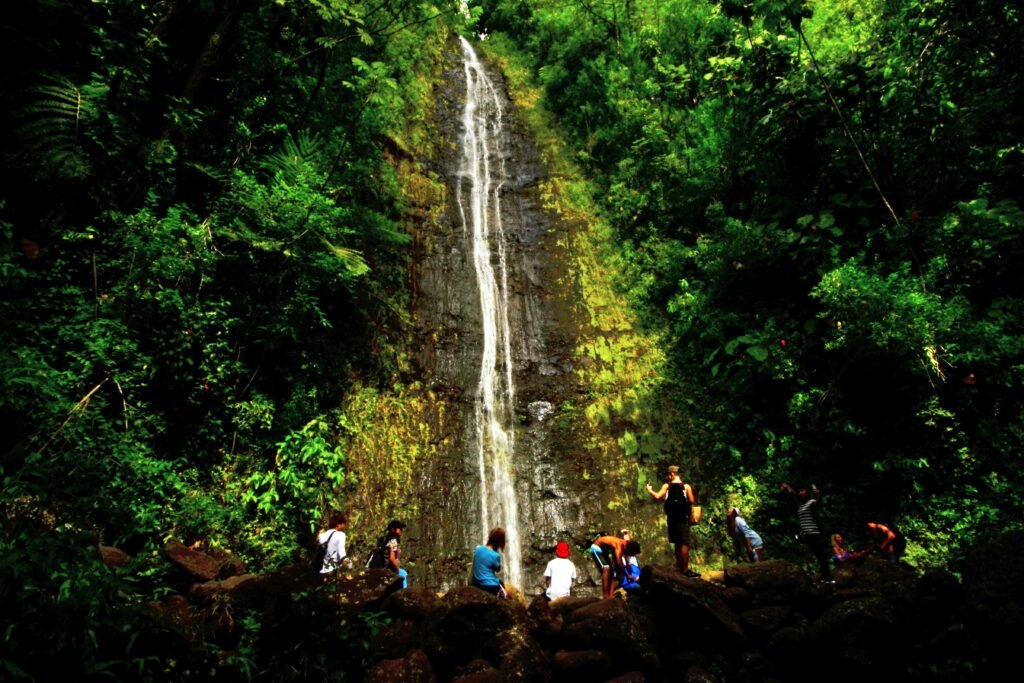
Mānoa Falls Trail is one of Oʻahu’s most popular rainforest hikes. The trail takes you through the lush, green Mānoa Valley to a beautiful waterfall tucked into the mountains. Because this part of the island gets plenty of rain, the scenery feels completely different from the dry, sunny coastline you see at places like Makapuʻu.
The trail is about 1.6 miles round trip and leads to a roughly 70-foot waterfall. It is not an especially long hike, but the trail can be muddy, uneven, and slippery because Mānoa Valley stays wet throughout much of the year. I would allow about 1½ to 2 hours so you have time to take your time on the trail and enjoy the waterfall. DLNR specifically warns that the valley’s consistently wet conditions can contribute to slippery trail conditions and erosion.
One tip: Wear shoes with good traction that you don’t mind getting muddy. Mānoa is one of the wetter parts of Oʻahu, so the trail can be slippery even when it isn’t raining. I would skip flip-flops for this hike.
When you reach Mānoa Falls, enjoy the view from the designated trail area and stay behind any signs, ropes, or barriers. Do not enter the pool beneath the waterfall. Hawaiʻi DLNR says access to the pool area is prohibited, and the area around the falls can also have rockfall hazards.
Cost: Mānoa Falls Trail is free to hike, but there may be a fee for parking near the trailhead.
Parking tip: Parking can fill up, so arriving earlier in the day can make it easier.
Before you go, check the official Nā Ala Hele Trails website for current trail conditions or closures.
Local Places to Eat and Shop on Oʻahu
One of the best ways to experience Oʻahu is through its locally owned restaurants, bakeries, markets, farms, and stores. Hours and operating days can change, so check each business’s official website before making a special trip.
Popular Local Places to Eat
Address: 933 Kapahulu Avenue, Honolulu, HI 96816
Leonard’s Bakery has been a Honolulu favorite since 1952 and is famous for freshly fried malasadas coated in sugar. Malasada puffs with flavored fillings are also available.
Pipeline Bakeshop & Creamery — Kaimukī
Address: 3632 Waiʻalae Avenue, Suite 102, Honolulu, HI 96816
Pipeline is a small neighborhood bakery known for freshly made malasadas, cake bombs, cookies, and homemade ice cream. Its malasada flavors rotate, giving visitors another local option beyond Leonard’s.
Helena’s Hawaiian Food — Kalihi
Address: 1240 North School Street, Honolulu, HI 96817
Family owned since 1946, Helena’s serves traditional Hawaiian dishes such as pipikaula short ribs, laulau, kālua pig, lomi salmon, poi, and haupia. Seating is limited, and the restaurant can become busy during popular dining times.
Address: 1095 Dillingham Boulevard, Building I-5, Honolulu, HI 96817
Nisshodo Candy Store has made Japanese-style confections in Honolulu for more than 100 years. The small shop is especially known for handmade mochi, chichi dango, and manju.
Address: 3308 Kanaina Avenue, Honolulu, HI 96815
Rainbow Drive-In has served local-style plate lunches since 1961. Its menu includes mixed plates, barbecue beef, chicken, mahi, chili, rice, and macaroni salad.
Address: 680 Ala Moana Boulevard, Suite 105, Honolulu, HI 96813
Highway Inn has served Hawaiian food since 1947. The Kakaʻako restaurant offers dishes such as laulau, kālua pig, chicken long rice, beef stew, squid lūʻau, poke, and poi.
Foodland Farms Ala Moana — Ala Moana Center
Address: 1450 Ala Moana Boulevard, Honolulu, HI 96814
Foodland Farms Ala Moana is a convenient place to try fresh poke prepared daily in numerous local-style flavors. Visitors can order poke by the pound, in a poke bowl, or as part of a bento and also shop for prepared meals, local snacks, drinks, and practical beach or hotel-room supplies.
Cinnamon’s Restaurant — Kailua
Address: 315 Uluniu Street, Kailua, HI 96734
Cinnamon’s has been a Kailua favorite since 1985 and is known for its guava chiffon pancakes, eggs Benedict, loco moco, and other local-style breakfast dishes. It can become busy during breakfast and brunch.
Kalapawai Market — Kailua Beach
Address: 306 South Kalaheo Avenue, Kailua, HI 96734
Kalapawai Market has been part of the Kailua community since 1932. Located near Kailua Beach Park, it is a convenient place for coffee, breakfast, sandwiches, snacks, and cold drinks.
Waiāhole Poi Factory — Waiāhole
Address: 48-140 Kamehameha Highway, Kāneʻohe, HI 96744
Waiāhole Poi Factory serves traditional Hawaiian plate lunches with choices such as laulau, kālua pig, chicken long rice, squid lūʻau, poi, lomi salmon, and haupia. Its original Waiāhole location also has a country store featuring local products.
Address: 2135 Waiola Street, Honolulu, HI 96826
Waiola Shave Ice is a family-owned Honolulu favorite that began as a neighborhood store in the 1940s. It is known for exceptionally soft, fluffy shave ice with flavors and toppings such as mochi, azuki beans, condensed milk, ice cream, and custard.
Address: 59-024 Kamehameha Highway, Haleʻiwa, HI 96712
Ted’s Bakery is best known for its original chocolate haupia cream pie. It also serves cakes, pastries, garlic shrimp, loco moco, and local-style plate lunches near Sunset Beach.
Address: 56-800 Kamehameha Highway, Kahuku, HI 96731
Kahuku Farms Café serves farm-grown açaí bowls, smoothies, pizzas, salads, grilled banana bread, and lilikoʻi butter mochi. Visitors can also shop for products made with ingredients grown on the family farm.
Popular Places to Shop for Local Products
Address: 1450 Ala Moana Boulevard, Honolulu, HI 96814
Ala Moana Center is the world’s largest open-air shopping center, with more than 350 shops and restaurants ranging from local Hawaiʻi businesses to major department stores and luxury brands. It is also a convenient place to eat, shop for gifts, or pick up something you may have forgotten.
Aloha Stadium Swap Meet & Marketplace — ʻAiea
Address: 99-500 Salt Lake Boulevard, ʻAiea, HI 96701
This large outdoor market features hundreds of vendors offering souvenirs, clothing, gifts, food, and locally made products. Check the official website for current operating days, hours, admission, and parking instructions.
Location: Royal Hawaiian Center, 2201 Kalākaua Avenue, Honolulu, HI 96815
House of Mana Up features food, clothing, beauty products, artwork, home goods, and gifts from Hawaiʻi-based businesses. It is a convenient place for visitors who want their purchases to support local entrepreneurs.
Address: 1200 Ala Moana Boulevard, Suite 270, Honolulu, HI 96814
Nā Mea Hawaiʻi showcases books, artwork, clothing, home goods, and handcrafted products from local and Native Hawaiian creators. The store also helps visitors learn more about Hawaiian history, culture, language, and traditions.
Noʻeau Designers — Kamehameha Shopping Center
Address: 1620 North School Street, Honolulu, HI 96817
Noʻeau Designers carries clothing, jewelry, artwork, home goods, and gifts from hundreds of local businesses. Its selection includes Native Hawaiian-owned, Made in Hawaiʻi, and locally based brands.
KCC Farmers’ Market — Diamond Head
Address: 4303 Diamond Head Road, Honolulu, HI 96816
Held on Saturday mornings at Kapiʻolani Community College, this market features Hawaiʻi-grown produce, flowers, coffee, honey, baked goods, prepared food, and products from local farmers and small businesses.
Kakaʻako Farmers Market — Kakaʻako
Location: 919 Ala Moana Boulevard, Honolulu, HI 96814
Held on Saturday mornings, Kakaʻako Farmers Market brings together farmers, food vendors, bakers, and local small businesses. Visitors can shop for Hawaiʻi-grown produce, flowers, prepared foods, snacks, and locally made products.
Final Thoughts on Visiting Oʻahu
Oʻahu has so much more to offer than just Waikīkī. You can spend one day learning about Hawaiʻi’s history, another hiking through a rainforest or along the coast, and another exploring the North Shore, shopping, or simply relaxing on the beach.
You definitely do not need to fit everything on this list into one trip. Pick the places that interest you most, group attractions that are in the same part of the island, and leave yourself some time to slow down and enjoy Hawaiʻi. Some of my favorite days on Oʻahu are the ones that are not completely packed with plans.
And wherever you go, please remember that Oʻahu is home to local communities, wildlife, and culturally important places. Be respectful, follow posted rules, take your trash with you, and help keep these places beautiful for everyone who comes after you.