Hawaii is home to some really special wildlife, and seeing them in person can be one of the best parts of a trip. You might spot a Hawaiian monk seal resting on the beach, a sea turtle swimming near shore, or a nēnē, Hawaii’s native goose, walking through a park. It is exciting to see them, but it is also important to give them space and let them do their thing. This page will help you know what to do so you can enjoy Hawaii’s wildlife without disturbing them.
Hawaiian Monk Seals
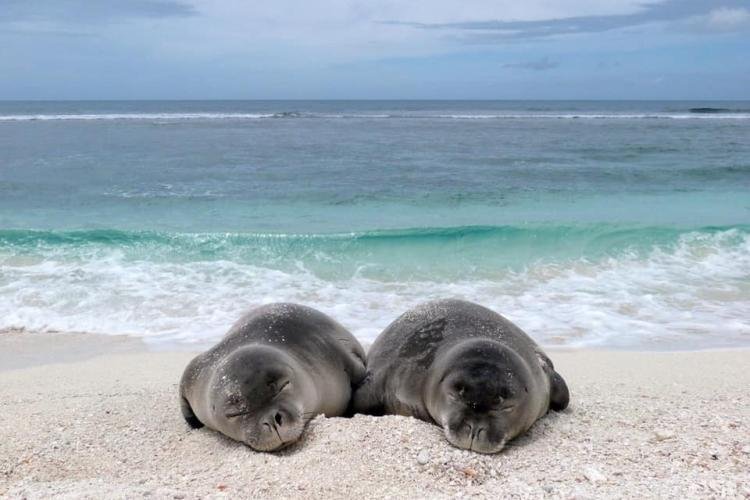
Hawaiian monk seals are one of the most special animals you may see in Hawaii. They often come onto the beach to rest, sleep, or care for their pups. Even if a seal looks comfortable around people, it still needs plenty of space. Never touch, feed, chase, or try to take a close-up photo with one. Stay behind any ropes, signs, or barriers, and keep dogs leashed and away from the seal.
NOAA and Hawaii wildlife officials recommend staying at least 50 feet away from a Hawaiian monk seal, whether it is on land or in the water. Mothers with pups need even more room, so visitors should stay at least 150 feet away. Using your camera zoom or binoculars is a much better way to get a closer look without disturbing them.
Learn more about viewing Hawaiian monk seals responsibly in Hawaii.
Hawaiian Sea Turtles
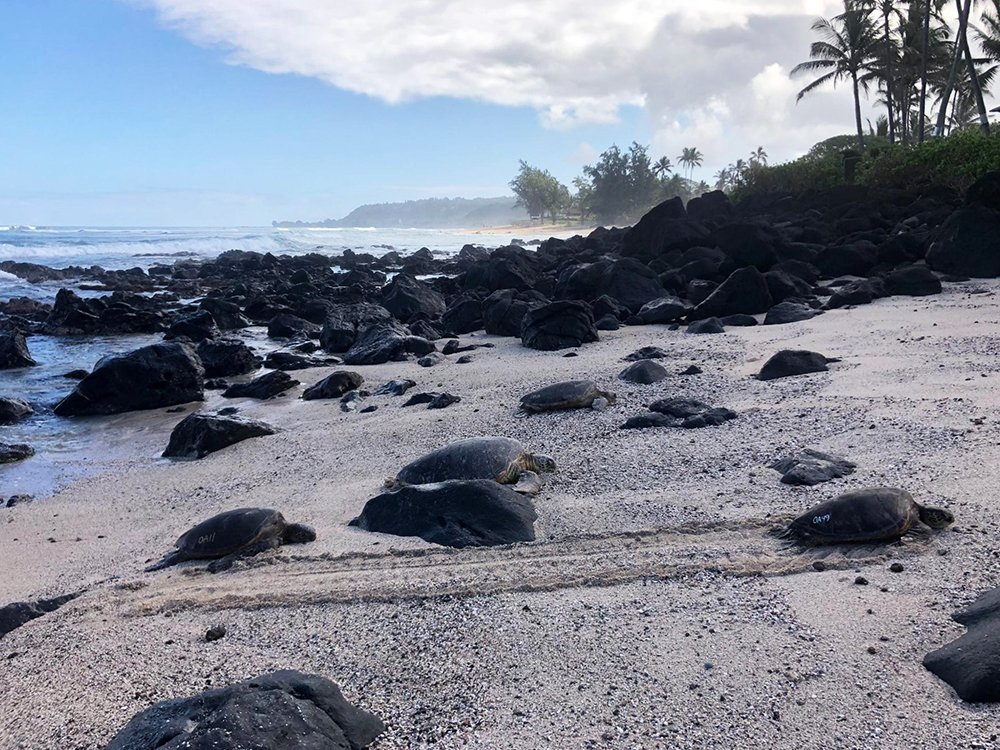
Sea turtles are one of the most exciting animals to see in Hawaii. The Hawaiian green sea turtle is commonly called honu, and you may see one swimming near shore or resting on the sand. A turtle lying on the beach is usually resting, so there is no need to try to help it back into the water.
Give sea turtles at least 10 feet of space, both on land and in the water. Never touch, chase, feed, ride, surround, or block a turtle’s path. Keep dogs leashed and away from turtles, nests, and hatchlings. If a turtle swims toward you, calmly move away and give it room instead of trying to follow it.
Hawaiian Spinner Dolphins
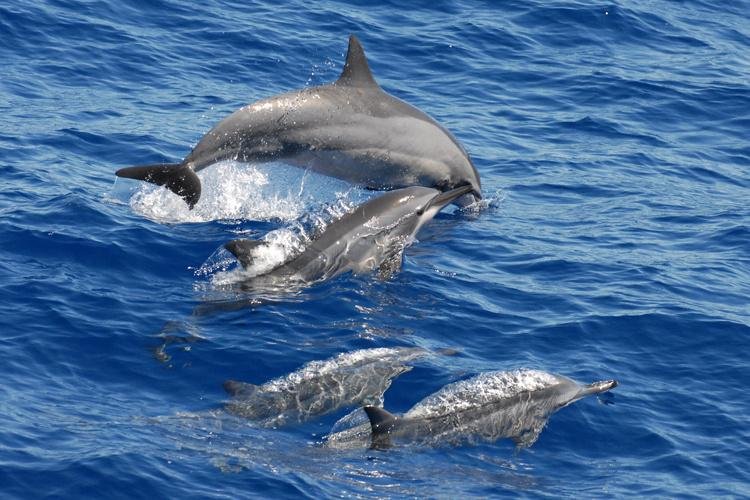
Hawaiian spinner dolphins are known for jumping and spinning out of the water, but during the day they often come into shallow bays and coastal areas to rest. Even if they are close to shore, visitors should not swim toward them, follow them, or try to get their attention.
Federal law prohibits swimming with, approaching, or remaining within 50 yards of a Hawaiian spinner dolphin. This rule applies to swimmers, boats, kayaks, paddleboards, drones, and other objects. If dolphins come toward you, do not chase or surround them. Calmly move away and give them room to continue resting or traveling.
Learn more about viewing Hawaiian spinner dolphins responsibly.
Humpback Whales
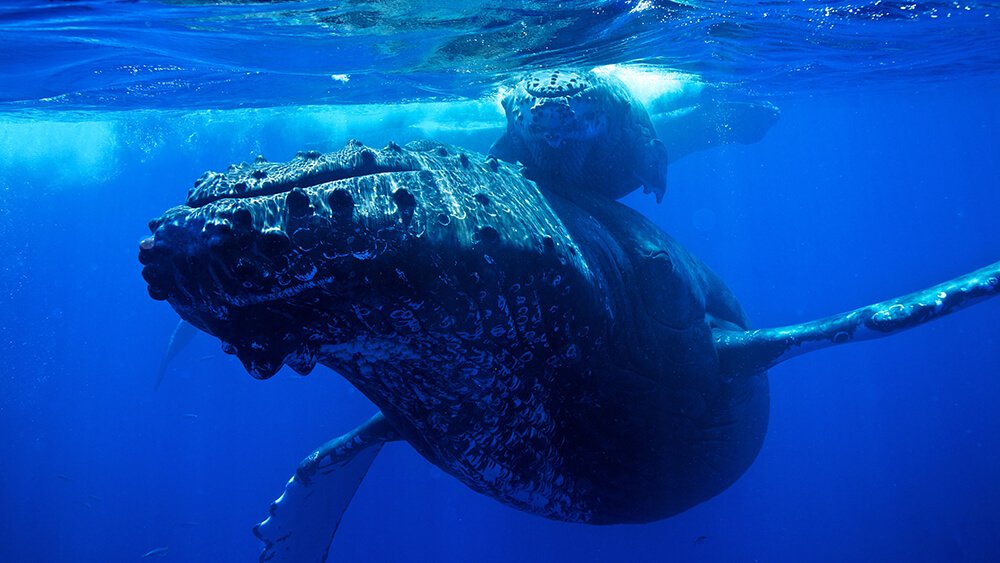
Humpback whales, called koholā in Hawaiian, visit Hawaii’s warm waters during the winter months. You may spot them from shore or on a whale-watching tour, especially when they come up to breathe, slap their tails, or breach out of the water.
Federal law prohibits approaching a humpback whale within 100 yards in Hawaii. This applies to boats, kayaks, paddleboards, drones, swimmers, and other vessels or objects. Never try to block a whale’s path or move closer for a photo. If a whale comes toward you, stay calm and follow the instructions of your boat captain or tour guide.
Learn more about viewing humpback whales responsibly in Hawaii.
Nēnē, Hawaii’s Native Goose
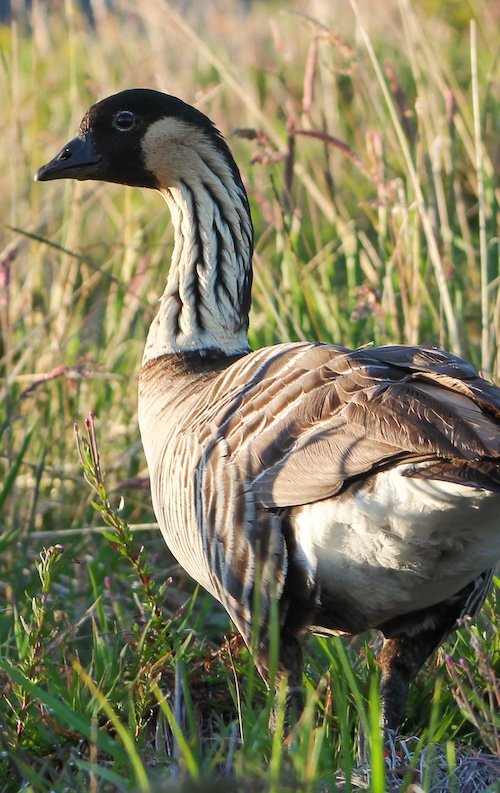
The nēnē is Hawaii’s state bird and a native goose found only in the Hawaiian Islands. You may see them near parks, golf courses, roadsides, or higher-elevation areas. They are usually comfortable walking around people, but they are still wild animals and should be given space.
Never feed a nēnē, try to touch one, or let children or pets chase them. Keep dogs leashed, drive slowly in areas where nēnē are present, and give them plenty of room if they are crossing a road or walking near a trail. Nēnē are federally listed as threatened, so protecting them is taken seriously.
Learn more about nēnē in Hawaii.
What to Do if Marine Wildlife Needs Help
Seeing a seal or sea turtle resting on the beach does not always mean something is wrong. Do not touch the animal, pour water on it, try to move it, or push it back into the ocean. Keep your distance and let trained wildlife responders decide whether help is needed.
If you see a sick, injured, entangled, stranded, or dead monk seal, sea turtle, dolphin, or whale in Hawaii, call the statewide NOAA Marine Wildlife Hotline at 888-256-9840. Be ready to share the location, the type of animal if you know it, and what you observed. Photos taken safely from a distance may also help responders.
Learn more about reporting marine wildlife in distress in Hawaii.
Simple Ways to Respect Hawaii’s Wildlife
- Watch wildlife from a safe distance.
- Never touch, chase, feed, follow, or surround an animal.
- Use your camera zoom or binoculars instead of moving closer.
- Stay behind ropes, signs, and temporary barriers.
- Keep dogs leashed and away from wildlife.
- Give animals a clear path to move, rest, or return to the ocean.
- Follow instructions from lifeguards, wildlife volunteers, tour guides, and officials.
- If an animal approaches you, calmly move away and give it space.
These tips match current NOAA and Hawaiʻi DLNR guidance to view wildlife from a distance, avoid feeding or disturbing animals, and keep pets leashed.
Enjoy Wildlife From a Respectful Distance
Seeing Hawaii’s wildlife can be an amazing part of your trip. The best thing we can do is give animals plenty of space, follow posted signs, and let them rest, feed, and move around naturally. A little respect goes a long way in helping protect Hawaii’s wildlife for future generations.