Hawaii is a beautiful place to visit, but it is also home to people who live, work, and raise their families here. Most visitors are respectful, and a little local knowledge can make a big difference. Here are a few simple dos and don’ts to help you enjoy your trip while showing respect for our islands, culture, and communities.
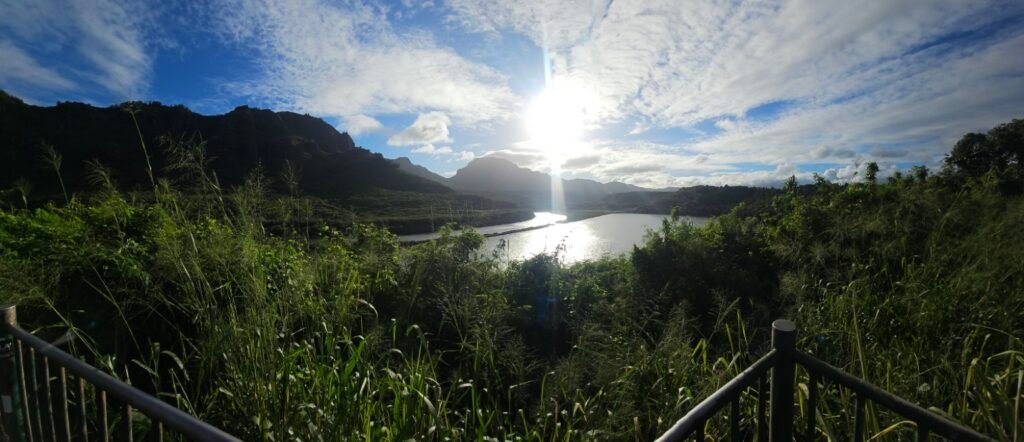
Do Respect the Land and Ocean
The land and ocean are a big part of what makes Hawaii so special. Please stay on marked trails, take your trash with you, and follow posted signs. If a trail, beach, or lookout is closed, don’t go around the barriers. Avoid stepping on coral or touching marine life. Small choices like these help protect the places everyone came here to enjoy.
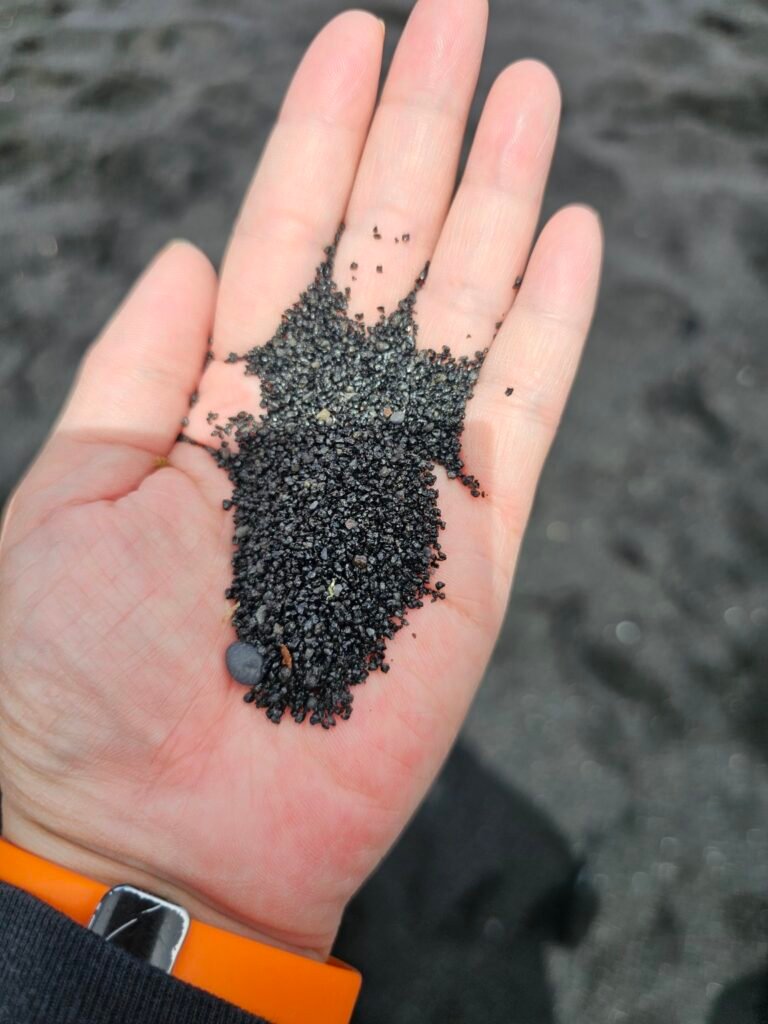
Don’t Take Lava Rocks, Sand, or Coral Home
Most people have heard that you shouldn’t take lava rocks from Hawaii. According to a popular legend known as Pele’s curse, taking lava from the islands can bring bad luck because the rocks belong to Pele, the Hawaiian goddess of volcanoes and fire. Visitors have mailed rocks back after believing the bad luck followed them home. Whether or not you believe the legend, removing rocks from protected parks is illegal. Hawaii law also prohibits taking sand, dead coral, and coral rubble from beaches. The best rule is simple. Take photos and leave natural items where you found them.
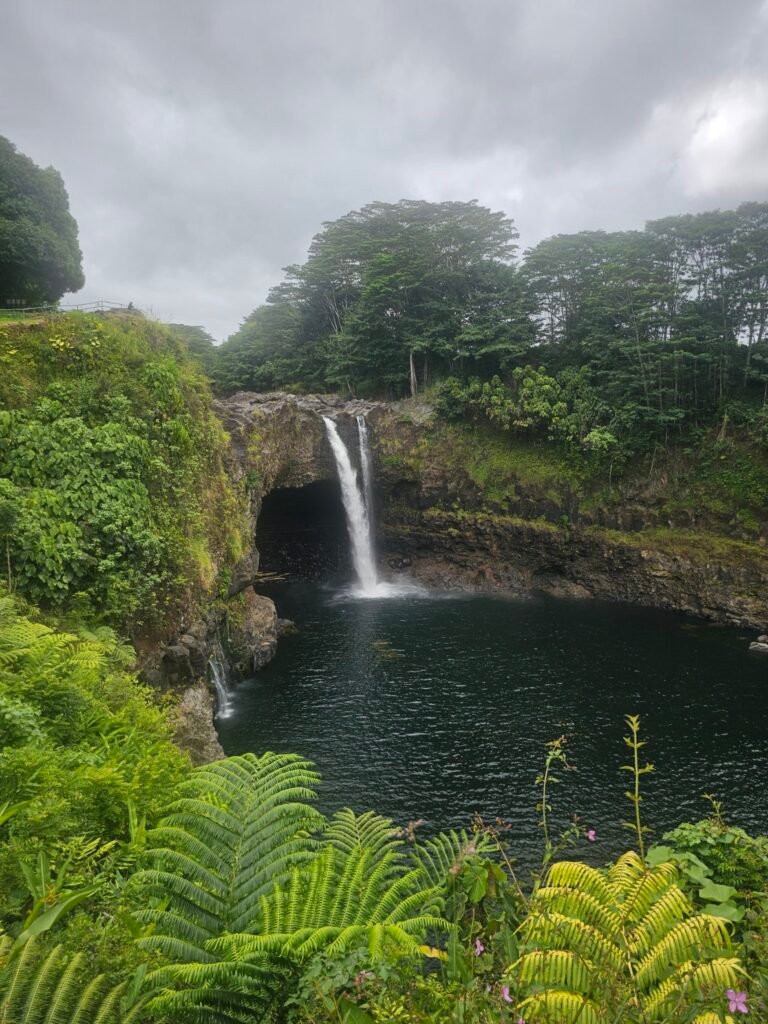
Do Give Wildlife Plenty of Space
We’re lucky to share these islands with honu, Hawaiian monk seals, dolphins, whales, and many other animals. Please enjoy them from a respectful distance. Never touch, chase, feed, or block an animal’s path. Getting too close for a photo can stress the animal and may also put you in danger. You can learn more about the animals you may see in our Hawaii Wildlife guide.
Do Drive With Aloha
Traffic can be frustrating, especially around Honolulu, but honking is not as common here as it is in many other places. Most local drivers save the horn for emergencies or warning someone of danger. Let people merge when you can, and if someone lets you into traffic or gives you the right of way, a quick wave or shaka is a local way to say thank you. Slow down, be patient, and go with the flow. Like we say here, you’re on Hawaiian time.
Do Learn a Few Local Words
You don’t need to learn a whole new vocabulary before your trip, but knowing a few Hawaiian words and local expressions is a nice way to show respect. You’ll hear these often while you’re here:
• Aloha (ah-LOH-hah): Hello, goodbye, love, and compassion
• Mahalo (mah-HAH-loh): Thank you
• ʻOno (OH-no): Delicious
• Howzit (HOW-zit): A casual local way of saying hello or asking how someone is doing
Even a simple “Mahalo” is appreciated.
Do Remove Your Shoes Before Entering Someone’s Home
Taking off your shoes before entering someone’s home is common in Hawaii. If you see shoes lined up near the door, that is your sign to leave yours there too. If you’re not sure, it is perfectly fine to ask. This small gesture shows respect and helps keep dirt and sand outside.
Don’t Ignore Posted Signs or Enter Private Property
Some beautiful beaches, waterfalls, and hiking spots are located near private property. If you see a gate, fence, warning sign, or no trespassing sign, please respect it. Don’t follow a social media video into an area that is closed or unsafe. There are plenty of legal and welcoming places to explore.
Don’t Leave Valuables in Your Car
Car break-ins can happen at beaches, hiking trails, and scenic lookouts. The safest choice is not to leave valuables in your car at all, even if they are hidden or locked in the trunk. Take important items with you, and leave anything you don’t need secured at your hotel or vacation rental.
Don’t Turn Your Back on the Ocean
Hawaii’s ocean can change quickly, even when it looks calm. A sudden wave can knock you down, pull you into the water, or sweep your belongings away. Always keep an eye on the ocean, stay back from wet rocks and ledges, and never turn your back while taking photos near the shoreline. Choose a beach with a lifeguard when possible, pay attention to posted warnings, and ask the lifeguard about conditions before going in.
Don’t Underestimate Hawaii’s Hiking Trails
Hawaii’s trails can be steep, muddy, slippery, and much harder than they look in photos. Weather can also change quickly, especially in the mountains. Wear proper shoes, bring enough water, and start early enough to return before dark. Keep your phone fully charged, but remember that some trails have little or no cell service. Tell someone where you are going and when you expect to return, and avoid hiking alone, especially on an unfamiliar trail. Stay on marked trails and never cross a closed gate or ignore a warning sign just to get a better view.
Bringing Fruits, Plants and Food on the Plane
Hawaiʻi’s remote location has protected the islands from many insects, plant diseases and invasive species found elsewhere. At the same time, Hawaiʻi has pests that are not established on the U.S. mainland. Agriculture inspections help prevent these pests and diseases from traveling in either direction.
Flying to Hawaiʻi
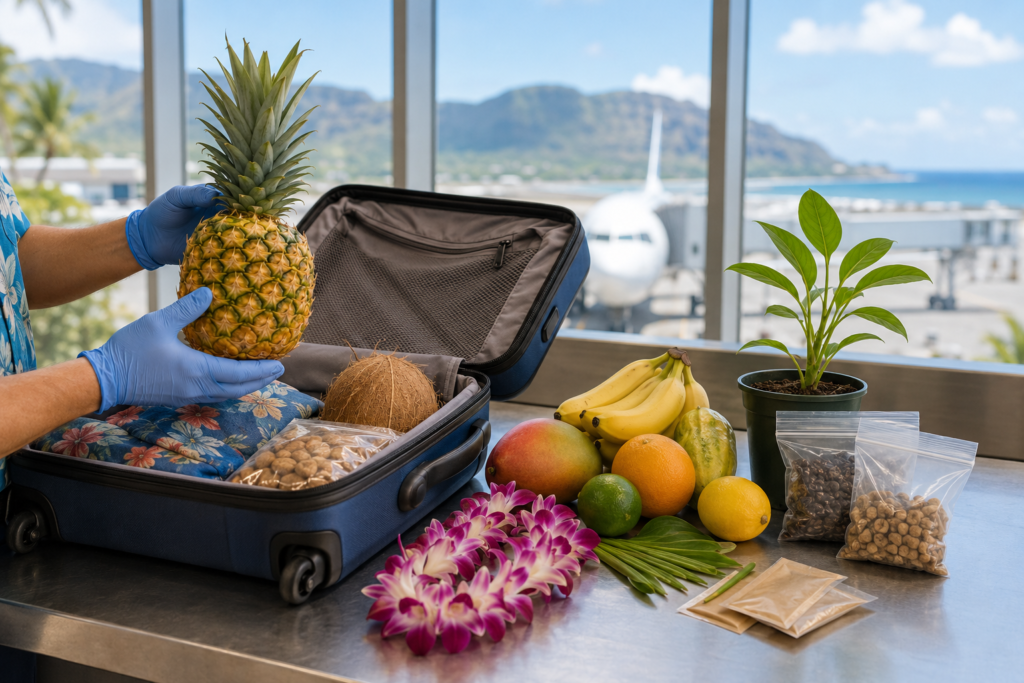
You may bring many fruits and vegetables from the U.S. mainland, but all fresh produce, plants, flowers, seeds and other agricultural items must be declared when you arrive.
These items are inspected because a small insect, seed or piece of soil could introduce an invasive species that harms Hawaiʻi’s farms, native plants and environment.
Some agricultural items are restricted regardless of where they were purchased, including pineapple, passion fruit, taro, corn on the cob, sugarcane and bamboo. Citrus and other pulpy fruits from Florida or Puerto Rico are also restricted because they may carry pests or plant diseases that are not currently established in Hawaiʻi.
Many other fruits from the U.S. mainland are generally allowed, but they must still be declared and may be inspected. If you are unsure about an item, declare it and allow an agriculture inspector to make the final decision.
View the complete Hawaiʻi Department of Agriculture arrival rules.
Flying From Hawaiʻi to the Mainland
Most fresh fruits and vegetables cannot be taken from Hawaiʻi to the mainland because they could carry fruit flies or other pests that may damage mainland farms and crops.
Plants growing in soil, sugarcane, fresh seed pods, soil, live insects and land snails are also prohibited. Fresh pineapple and coconuts are generally allowed after USDA inspection. Coffee, commercially packaged foods and certain professionally treated fruits may also be allowed.
All checked bags and carry-on bags must pass through an agricultural inspection before departure. Do not pack fresh produce or plants unless you have confirmed that the item is permitted.
View the complete USDA rules for traveling from Hawaiʻi to the mainland.
Enjoy Hawaii with Aloha
No one expects visitors to know every local custom. A little awareness, patience, and respect go a long way. Take care of the places you visit, be kind to the people around you, and leave the islands just as beautiful as you found them. Enjoy your time here, make plenty of good memories, and take a little aloha home with you.