Kauaʻi, often called the Garden Isle, is known for its lush mountains, waterfalls, beaches, and dramatic coastline. It is home to some of Hawaiʻi’s most memorable scenery, including Waimea Canyon, the Nā Pali Coast, Hanalei Bay, and the Wailua River.
Kauaʻi has a quieter, more relaxed feel than Oʻahu or Maui, but exploring the island still requires some planning. Popular parks may require reservations, driving can take longer than expected, and weather conditions can change quickly, especially on the North Shore. This guide will help you decide where to stay, how to get around, how many days to spend, and which places are worth adding to your trip.
Note: This page contains affiliate links. If you book a tour or make a purchase through one of these links, I may earn a commission at no additional cost to you. All opinions and recommendations are my own.
Kauaʻi at a Glance
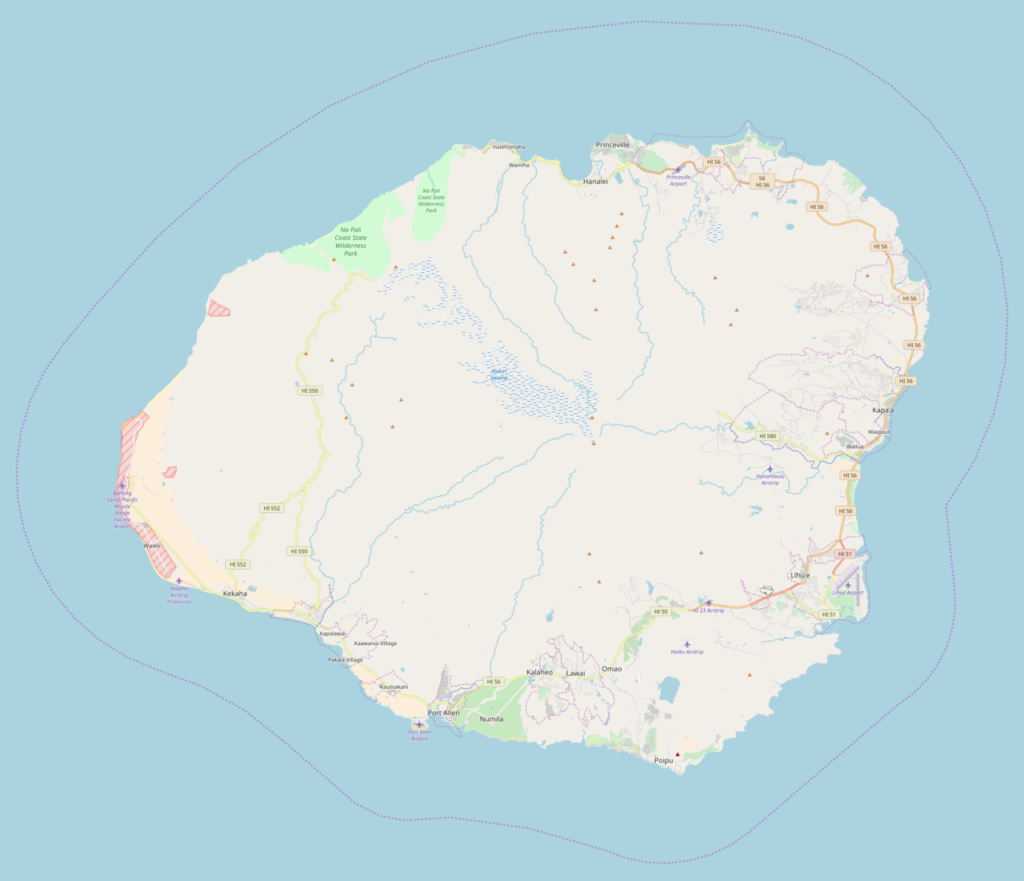
- Population: Approximately 73,000 residents
- Size: Approximately 552 square miles
- Largest town: Kapaʻa
- Main airport: Līhuʻe Airport (LIH)
- Recommended stay: At least 5 to 7 days for a first visit
Where Should You Stay on Kauaʻi?
Where you stay on Kauaʻi can make a big difference in how much time you spend driving. Poʻipū and Kōloa on the South Shore are popular for beaches, resorts, restaurants, and generally sunnier weather. Kapaʻa and Wailua on the East Side offer a more central location, making them convenient for first-time visitors who want to explore both the North Shore and the southern parts of the island. Princeville and Hanalei are beautiful choices for North Shore scenery and a quieter atmosphere, but they are farther from Waimea Canyon and the South Shore. Līhuʻe is convenient to the airport, shopping, and several attractions, although it has fewer resort options. Because the main road does not circle the entire island, choose your area based on the places you most want to visit.
Do You Need a Rental Car on Kauaʻi?
For most visitors, I recommend renting a car on Kauaʻi. Beaches, towns, hiking areas, and major attractions are spread across the island, and the road does not connect the North Shore directly to the West Side. Kauaʻi has a public bus system, but it does not provide the flexibility most visitors need for sightseeing or easy access to places such as Waimea Canyon and Kōkeʻe State Park. If you plan to stay mainly at your resort and book guided tours, you may not need a car every day. However, renting one for at least part of your trip will make exploring the island much easier.
How Many Days Do You Need on Kauaʻi?
I usually recommend spending at least five to seven days on Kauaʻi for a first visit. This gives you enough time to explore the North Shore, spend a day around Waimea Canyon and Kōkeʻe, enjoy the beaches, and leave room for a boat tour, hike, or relaxing day. You can see several highlights in three or four days, but the island’s driving distances and changing weather can make a shorter trip feel rushed. If Kauaʻi is your main destination, a full week gives you a much more comfortable pace.
Things You Shouldn’t Miss on Kauaʻi
Nāpali Coast State Wilderness Park
Location: Northwestern Kauaʻi; the Kalalau Trail begins at Hāʻena State Park at the end of Kūhiō Highway
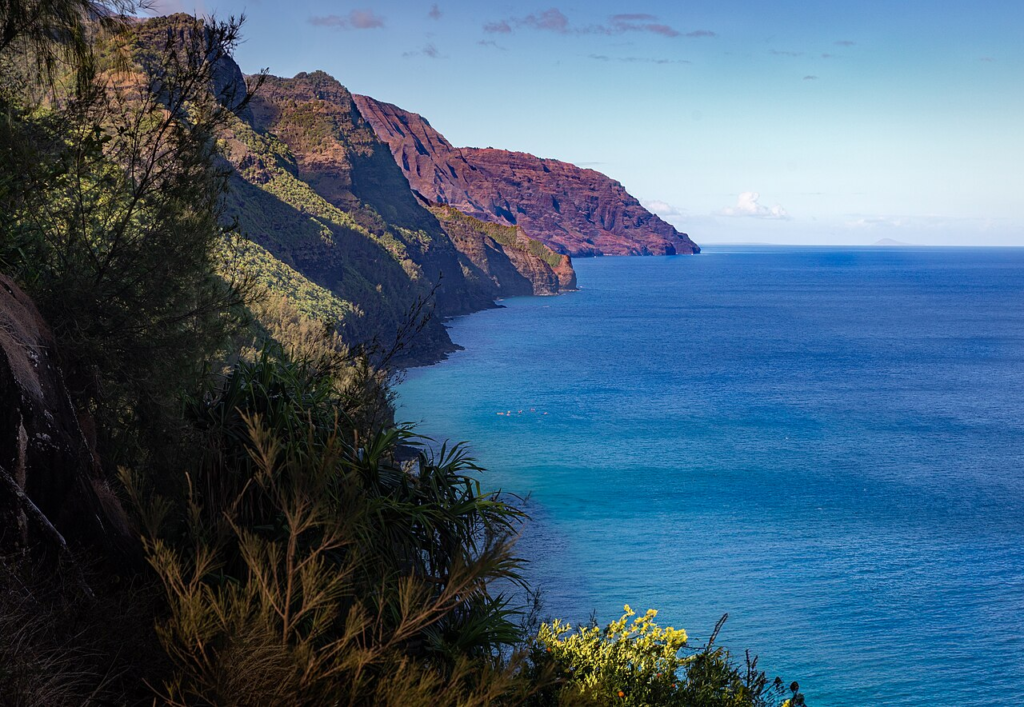
The Nāpali Coast is one of Kauaʻi’s most unforgettable landscapes, with steep sea cliffs, narrow valleys, waterfalls, beaches, and places where Native Hawaiians once lived and cultivated taro. Since there is no road through this coastline, visitors usually experience it by boat, helicopter, or hiking trail.
A boat tour can provide close views of the cliffs, waterfalls, and sea caves when ocean conditions allow. A helicopter tour gives you a wider aerial view of the coastline and valleys. Hiking offers a more physically demanding experience. The Kalalau Trail begins inside Hāʻena State Park and follows the coastline through rugged terrain.
For travelers who want to experience the Nāpali Coast from the water, the Kauai: Na Pali Coast Power Catamaran is a highly rated option. The approximately 4.5-hour tour explores the dramatic coastline, with opportunities to see sea caves and snorkel when ocean conditions allow.
The first section of the Kalalau Trail reaches Hanakāpīʻai Beach after about two miles. Continuing inland to Hanakāpīʻai Falls makes the hike approximately eight miles round trip. The full Kalalau Trail is eleven miles each way and is intended for experienced, properly prepared hikers. Anyone hiking beyond Hanakāpīʻai Valley must have a valid Nāpali Coast camping permit.
For a completely different perspective, a helicopter tour offers aerial views of Kauaʻi’s dramatic valleys, waterfalls, and rugged coastline. The Kauai Deluxe Waterfall Safari: Helicopter Tour is a highly rated option that spends about 55 minutes exploring the island from above.
One Tip: Decide how you want to experience the Nāpali Coast before your trip. Day hikers need advance entry and parking or shuttle reservations for Hāʻena State Park, and these can fill quickly. Always check current park notices, trail conditions, weather, and ocean conditions before leaving. Swimming at Hanakāpīʻai Beach is not recommended because of dangerous currents and changing surf.
You can also find current park hours, reservation and permit requirements, trail conditions, safety information, and closure updates on the official Nāpali Coast State Wilderness Park website.
Waimea Canyon State Park
Location: Waimea Canyon Drive, Waimea, HI 96796
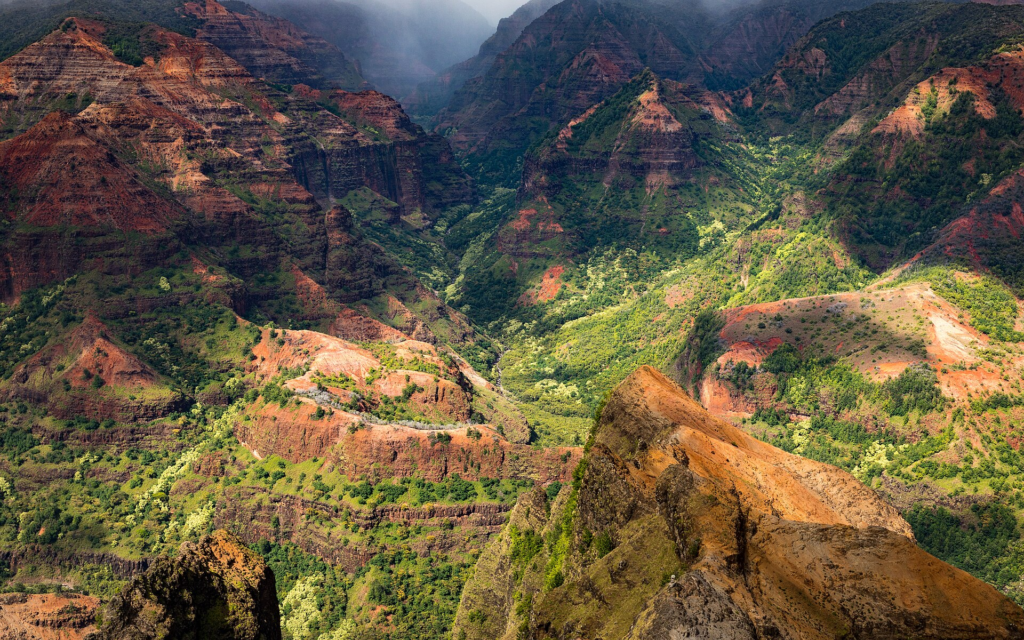
Waimea Canyon State Park overlooks a deep, colorful gorge filled with red and green ridges, waterfalls, and dramatic viewpoints. The scenic drive includes several places to stop, with views into the canyon and, on clear days, toward Niʻihau. Visitors can enjoy the main lookouts without hiking, while trails such as the Iliau Nature Loop and Kukui Trail offer a closer look at the landscape.
Plan on approximately one hour and fifteen minutes to reach Waimea Canyon Lookout from Līhuʻe Airport in normal driving conditions. The road is steep and winding, so allow extra time and drive carefully. Most visitors continue farther into Kōkeʻe State Park during the same trip.
Nonresidents currently pay a park entrance fee of $5 per person and a parking fee of $10 per vehicle. Children age three and younger are free. Hawaiʻi residents with valid identification enter and park for free. The parking payment is valid at both Waimea Canyon and Kōkeʻe State Park parking lots.
One Tip: Visit earlier in the day when possible because clouds and rain can move into the canyon and block the views. Bring a light jacket or rain layer because temperatures are cooler at the higher elevations, even when the coast is warm.
You can also find current hours, entrance fees, parking information, trail details, and any closure updates on the official Waimea Canyon State Park website.
Kōkeʻe State Park
Location: Kōkeʻe Road, Waimea, HI 96796
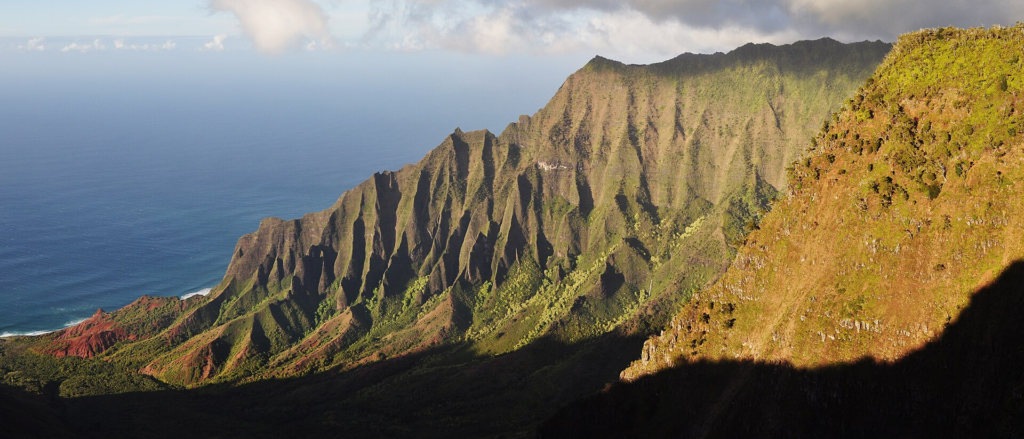
Kōkeʻe State Park is located just beyond Waimea Canyon State Park and offers a completely different experience. At an elevation of about 4,000 feet, the park has cooler temperatures, native rainforest, hiking trails, and beautiful views into the lush Kalalau Valley.
Popular stops include Kalalau Lookout and Puʻu o Kila Lookout. The park also has several hiking trails, including Pihea Trail, Awaʻawapuhi Trail, and Alakaʻi Swamp Trail. Trail conditions can be muddy, and clouds sometimes move into the valley quickly and block the views.
Kōkeʻe State Park is approximately 42 miles from Līhuʻe Airport, and the drive normally takes about 1 hour and 25 minutes. Since the park is located directly beyond Waimea Canyon, it makes sense to visit both parks on the same day.
Nonresident admission is currently $5 per person, plus $10 per vehicle. Hawaiʻi residents receive free admission and parking with valid identification, and children ages 3 and younger are free. A parking ticket purchased at Waimea Canyon State Park is also valid in the Kōkeʻe State Park parking lots.
One Tip: Visit early in the day because clouds often gather later and can hide the Kalalau Valley views. Kōkeʻe is also noticeably cooler than the coastal areas, so bring a light jacket or rain layer even if the weather near your hotel is warm and sunny.
You can also find current hours, entrance fees, trail information, road conditions, park notices, and any updates on the official Kōkeʻe State Park website.
Hāʻena State Park and Kēʻē Beach
Location: End of Kūhiō Highway, Hāʻena, HI 96714
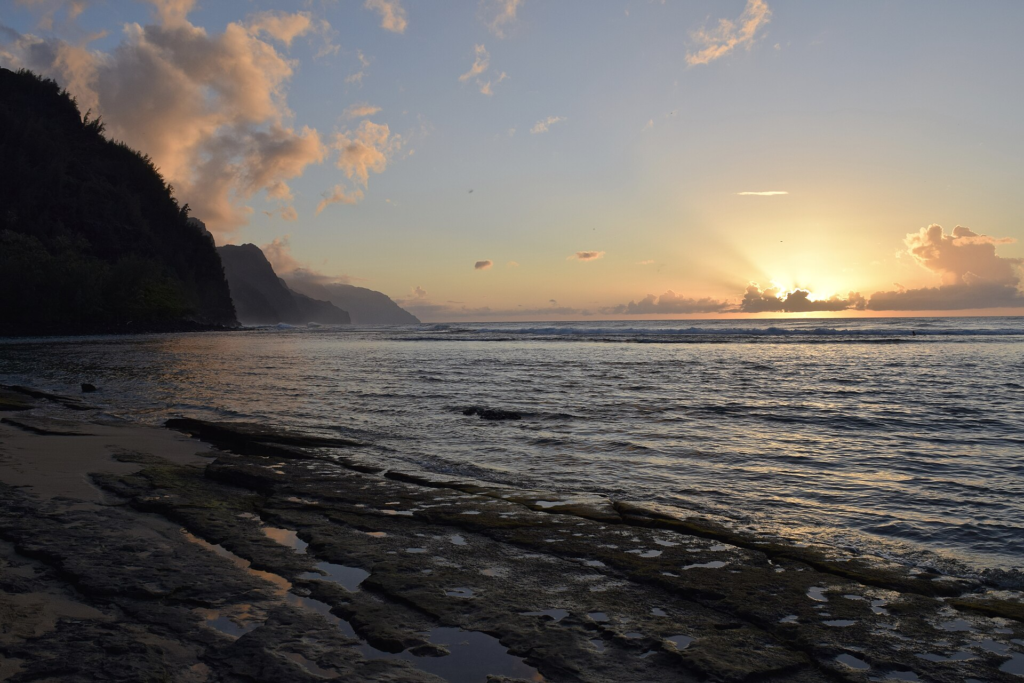
Hāʻena State Park is located at the end of the road on Kauaʻi’s North Shore. The park is home to Kēʻē Beach, restored loʻi kalo fields, and the trailhead for the Kalalau Trail. The setting is beautiful, with green mountains rising behind the beach and views toward the beginning of the Nāpali Coast.
Kēʻē Beach can offer swimming and snorkeling when ocean conditions are calm. However, North Shore surf can become dangerous, especially from October through April. Lifeguards may restrict swimming when conditions are unsafe, so always follow posted warnings.
The park is approximately 38 miles from Līhuʻe Airport. The drive normally takes about 1 hour and 10 minutes without heavy traffic, but visitors should allow extra time for traffic, roadwork, and the narrow roads beyond Hanalei.
Advance reservations are required for nonresidents. Options include a shuttle and entry pass, a parking and entry reservation, or an entry only reservation. Reservations become available 30 days before the visit date at midnight Hawaiʻi time, and parking reservations often sell out immediately. Hawaiʻi residents with an accepted state identification card may enter and park for free on a first come, first served basis.
One Tip: Consider reserving the shuttle because parking inside Hāʻena State Park is extremely limited. Download or take a screenshot of your reservation before leaving your hotel because cell service near the park may be unavailable.
You can also find current hours, entry requirements, ocean and trail conditions, and park updates on the official Hāʻena State Park website. Parking, entry, and shuttle reservations are available through the official Go Hāʻena reservation website.
Hanalei Bay
Location: Weke Road, Hanalei, HI 96714
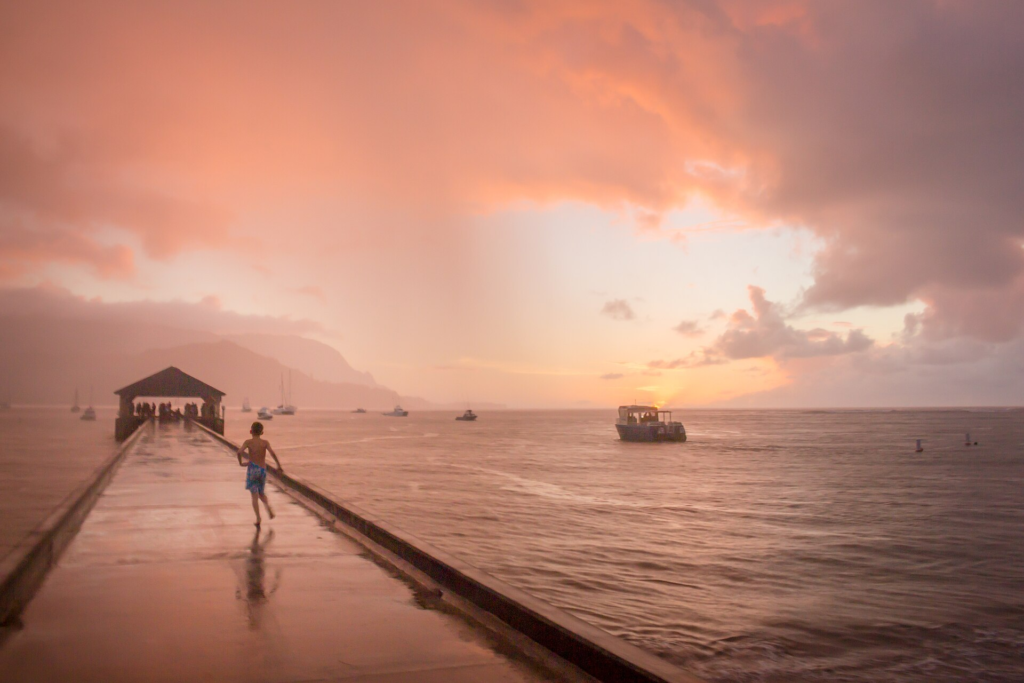
Hanalei Bay is the largest bay on Kauaʻi and is surrounded by approximately two miles of sandy shoreline, green mountains, and waterfalls that often appear after heavy rain. Visitors come here to swim, surf, paddle, walk along the beach, and enjoy views of the historic Hanalei Pier.
Ocean conditions vary throughout the year. The water is often calmer during the summer, while winter can bring large waves, strong currents, and dangerous swimming conditions. Hanalei Pavilion is a lifeguarded section of the beach with restrooms and a picnic pavilion, making it a convenient place for visitors to spend time at the bay.
Hanalei Bay is approximately 32 miles from Līhuʻe Airport. The drive normally takes about 55 minutes to 1 hour without heavy traffic, but delays can occur through Kapaʻa and along the North Shore.
There is no entrance reservation required for Hanalei Bay. Public beach access is available near Hanalei Pavilion, Waiʻoli Beach Park, and Black Pot Beach Park, although parking can become limited during busy periods.
One Tip: Stop at Hanalei Pier, but leave time to explore more than one section of the bay. Always swim near a lifeguard when possible, check the posted warning signs, and stay out of the water if it looks brown or murky after heavy rain.
You can also find current surf conditions, beach hazards, and ocean-safety information on the Safe Beach Day page for Hanalei Bay.
Kīlauea Point National Wildlife Refuge and Lighthouse
Location: 3500 Kīlauea Road, Kīlauea, HI 96754
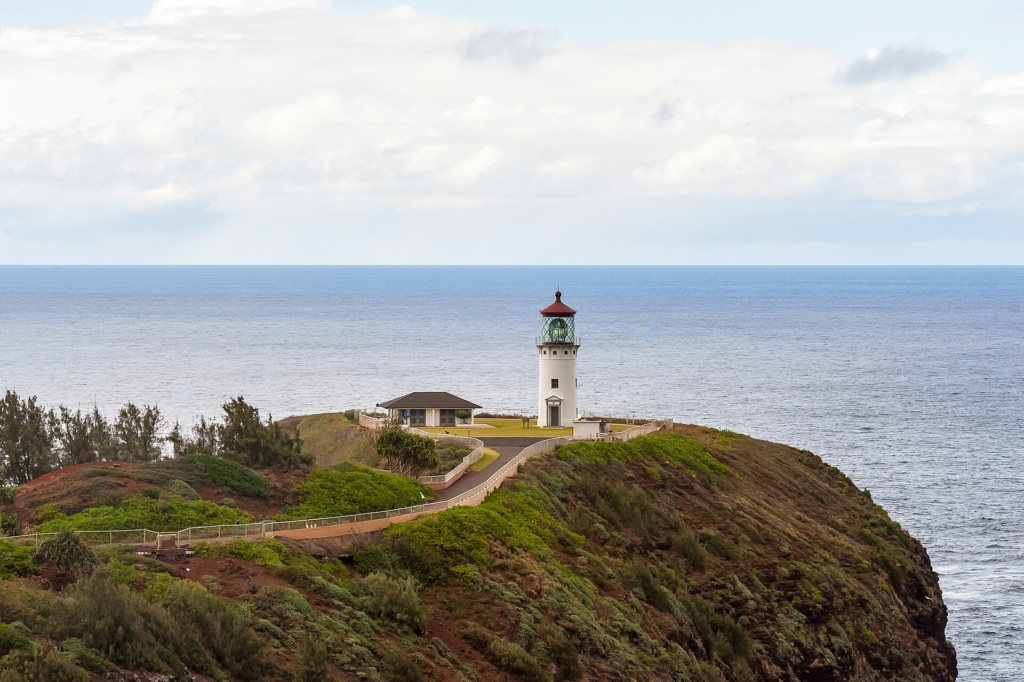
Kīlauea Point National Wildlife Refuge sits on a bluff approximately 180 feet above the ocean. It is one of the best places on Kauaʻi to see native and migratory seabirds, including nēnē, red-footed boobies, Laysan albatrosses, tropicbirds, and great frigatebirds. Visitors may also see Hawaiian monk seals, green sea turtles, dolphins, and humpback whales during whale season.
The refuge is also home to the historic Daniel K. Inouye Kīlauea Point Lighthouse, which was completed in 1913. Visitors can view and photograph the lighthouse, although tours and entry inside the lighthouse are currently suspended.
The refuge is approximately 25 miles from Līhuʻe Airport. The drive normally takes about 40 to 45 minutes without heavy traffic.
The refuge is currently open Wednesday through Saturday from 10:00 a.m. to 4:00 p.m., with the last entry at 3:30 p.m. Reservations are required for everyone age 16 and older and become available up to 60 days in advance. Adult admission is currently $11, including the reservation fee. Children age 15 and younger are free and do not need a reservation.
America the Beautiful passes and qualifying military identification are accepted. Passholders must still reserve a time and pay the $1 reservation fee for each adult ticket. The physical pass and a photo ID must be presented upon arrival.
One Tip: Bring binoculars if you have them. Many of the birds nest along the cliffs or fly above the ocean, and binoculars make wildlife viewing much more enjoyable. Stay on the paved path and keep at least 10 feet away from all wildlife.
You can also find current hours, admission information, wildlife information, accessibility details, and refuge updates on the official Kīlauea Point National Wildlife Refuge website. Advance entry reservations are available through the official Recreation.gov reservation page.
Wailua River State Park and Fern Grotto
Location: Wailua River Marina, 3-5971 Kūhiō Highway, Kapaʻa, HI 96746
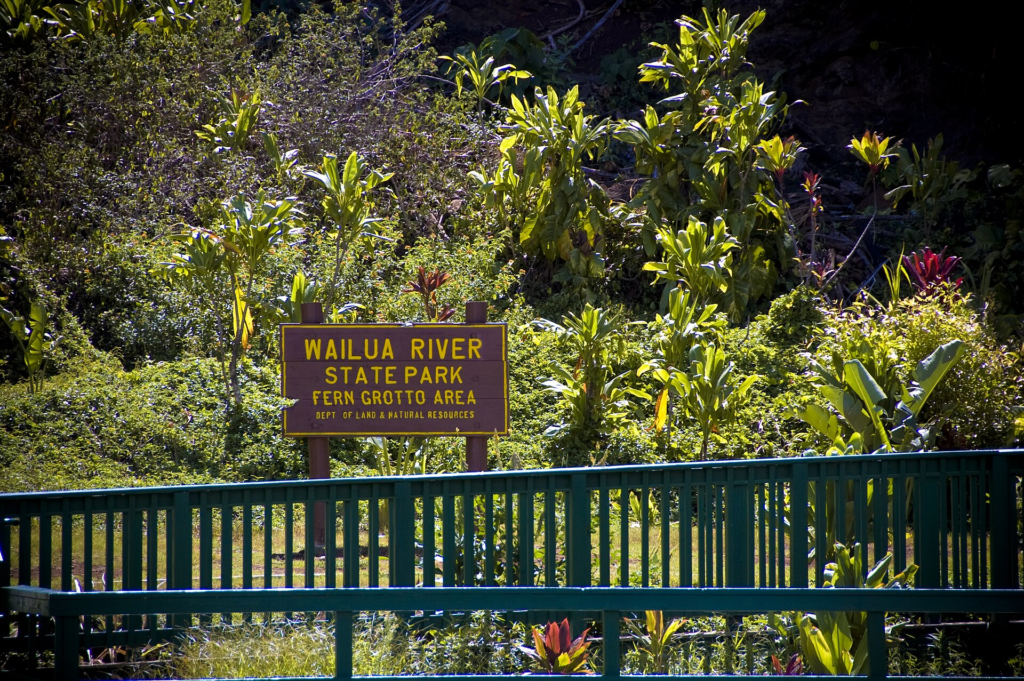
Wailua River State Park protects a lush river valley with tropical vegetation, historic Hawaiian sites, scenic overlooks, and access to one of Kauaʻi’s navigable rivers. Visitors can explore the river by kayak, stand-up paddleboard, outrigger canoe, or riverboat.
One of the best-known destinations along the river is Fern Grotto, a natural lava-rock grotto covered with hanging ferns and tropical plants. Fern Grotto is reached by boat and includes a short walk through the surrounding rainforest. Boat tours and equipment rentals must be arranged separately.
For travelers who want a more active way to explore the Wailua River area, the Wailua River Kayak & Hike Adventure to Secret Falls combines kayaking with a guided hike through lush scenery to the waterfall. The tour lasts about six hours and is a popular option for visitors who want to experience more of Kauaʻi’s interior.
The park also includes culturally important places within the Wailua Complex of Heiau. These sites contain the remains of Hawaiian places of worship, places of refuge, and royal birthstones from a time when the Wailua River Valley was an important center of chiefly power.
Wailua River State Park is approximately 7 miles from Līhuʻe Airport. The drive normally takes about 15 minutes without heavy traffic.
The park is currently open daily from 7:00 a.m. to 7:45 p.m. Nonresident admission is $5 per person, plus $10 per vehicle. Hawaiʻi residents receive free admission and parking with valid identification, and children age 3 and younger are free. Park payments are currently accepted by credit card only. Boat tours and kayak rentals have separate charges.
One Tip: Start your river activity early in the day and check the weather before leaving. Heavy rain can change river and trail conditions quickly. Bring water, sun protection, insect repellent, and shoes that can handle wet or muddy ground.
You can also find current hours, entrance fees, cultural-site information, park notices, and any updates on the official Wailua River State Park website.
Wailua Falls
Location: Maʻalo Road, north of Līhuʻe, HI 96766
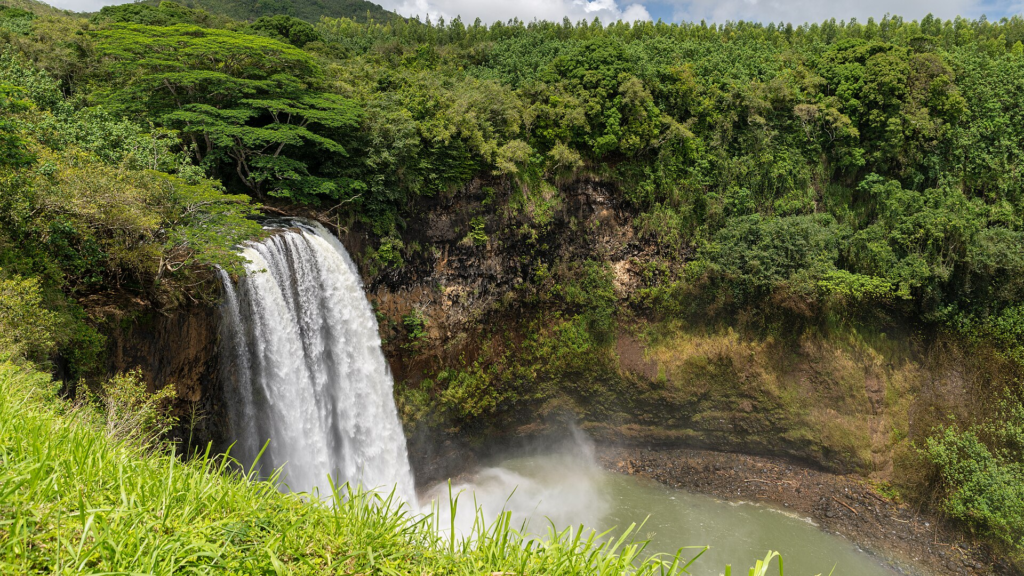
Wailua Falls is an easily accessible waterfall located at the southern end of the Wailua River. The waterfall drops approximately 80 feet into a pool below and often separates into two main streams. Its appearance changes with the amount of rain in the mountains, and additional streams may appear after periods of heavy rainfall.
The falls became widely recognized after appearing in the opening credits of the television series Fantasy Island. Visitors can see the waterfall directly from the roadside overlook, so no hiking is required.
Wailua Falls is approximately 7 miles from Līhuʻe Airport. The drive normally takes about 15 to 20 minutes. Follow Maʻalo Road uphill until it ends at the viewing area.
One Tip: Visit earlier in the morning for a better chance of finding parking and possibly seeing a rainbow in the waterfall’s mist. The roadside viewing area is small, so watch for vehicles turning around. Remain behind the barriers and do not follow unofficial trails toward the bottom of the falls. Access below the lookout is restricted, and the steep terrain can be extremely dangerous.
You can also find directions and additional visitor information on the official Go Hawaiʻi page for Wailua Falls.
Poʻipū Beach Park
Location: 2179 Hoone Road, Kōloa, HI 96756
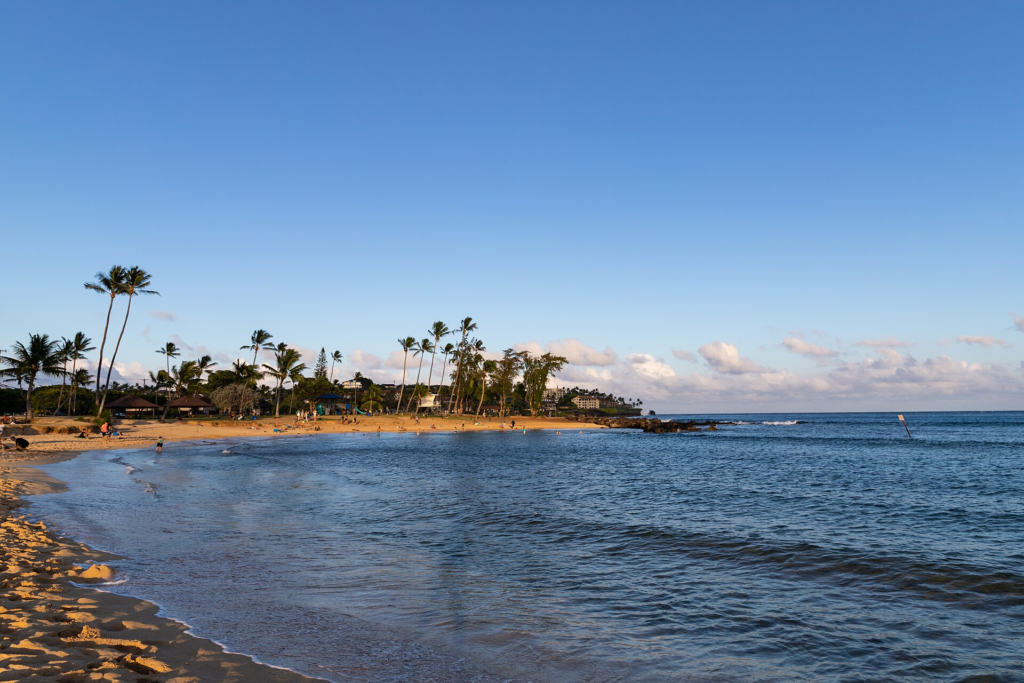
Poʻipū Beach Park is one of the most popular beaches on Kauaʻi’s South Shore. A small breakwater creates a protected swimming area in front of the park, while other sections of the beach are used for snorkeling, bodyboarding, and surfing when conditions are appropriate.
The park has lifeguards, restrooms, showers, picnic tables, pavilions, and an all-terrain beach wheelchair. Its variety of facilities makes it a convenient choice for families and visitors who want to spend several hours at the beach.
Hawaiian green sea turtles and endangered Hawaiian monk seals are sometimes seen resting on the sand. These animals are protected, and visitors should never touch, feed, chase, or crowd them. Stay behind any barriers placed by wildlife volunteers. NOAA recommends remaining at least 50 feet away from Hawaiian monk seals and at least 10 feet away from sea turtles.
Poʻipū Beach Park is approximately 15 miles from Līhuʻe Airport. The drive normally takes about 25 to 30 minutes without heavy traffic.
One Tip: Arrive earlier in the day for easier parking and a less crowded beach. Swim near the lifeguarded area, ask a lifeguard about current conditions, and avoid entering the water if waves or currents look stronger than expected.
You can also find current surf conditions, beach hazards, safety alerts, and ocean information on the Safe Beach Day page for Poʻipū Beach.
Spouting Horn
Early Hawaiians called this blowhole puhi, meaning “blowhole.”
Location: Spouting Horn Road, Kōloa, HI 96756
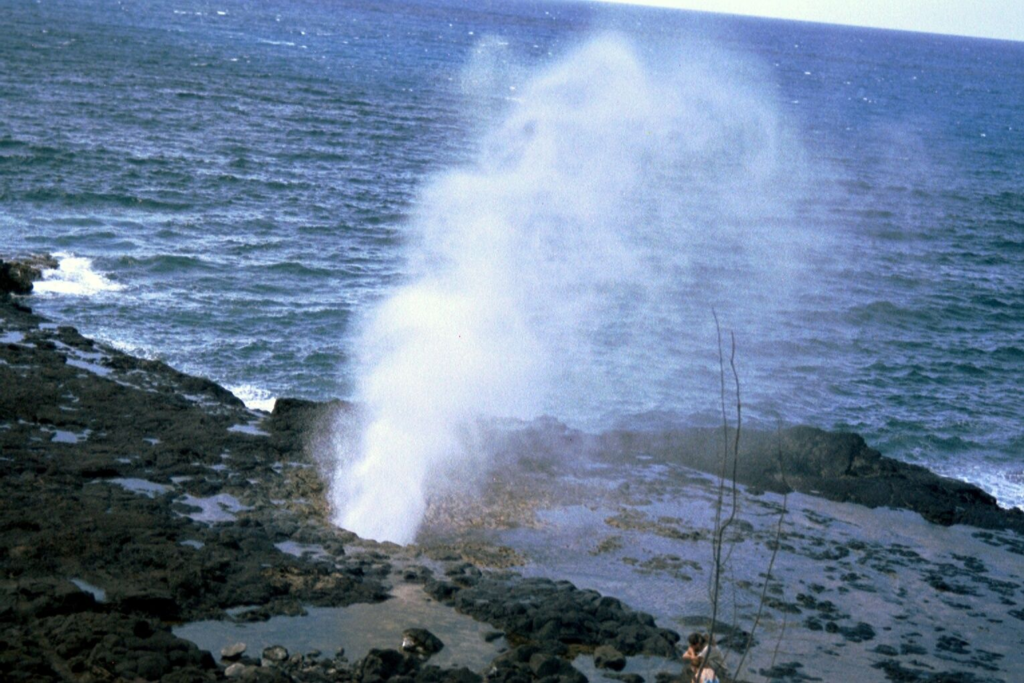
Spouting Horn is a natural blowhole located along Kauaʻi’s South Shore. Ocean waves enter a lava tube beneath the rocky coastline and force water and air through an opening in the lava shelf. Under the right conditions, the water can shoot high into the air while the escaping air creates a loud hissing or roaring sound.
According to a Hawaiian legend, this coastline was once guarded by a giant moʻo named Kaikapu. A young boy named Liko escaped the moʻo by swimming through a lava tube. Kaikapu followed him, became trapped inside, and her roar can still be heard whenever waves enter the blowhole.
The viewing area includes a paved overlook, restrooms, and local vendor booths. No advance reservation is required, and most visitors spend about 20 to 30 minutes here. Spouting Horn is also close to Poʻipū Beach Park, so the two locations are easy to visit during the same South Shore outing.
Spouting Horn is approximately 15 miles from Līhuʻe Airport. The drive normally takes about 30 minutes without heavy traffic.
One Tip: The blowhole is usually more dramatic when the surf is active, but stronger waves also make the coastline more dangerous. Remain behind the safety barriers, follow all warning signs, and never climb onto the lava shelf for a closer photograph.
You can also find directions, background information, and additional visitor details on the official Go Hawaiʻi page for Spouting Horn.
Allerton Garden
Location: 4425 Lāwaʻi Road, Kōloa, HI 96756
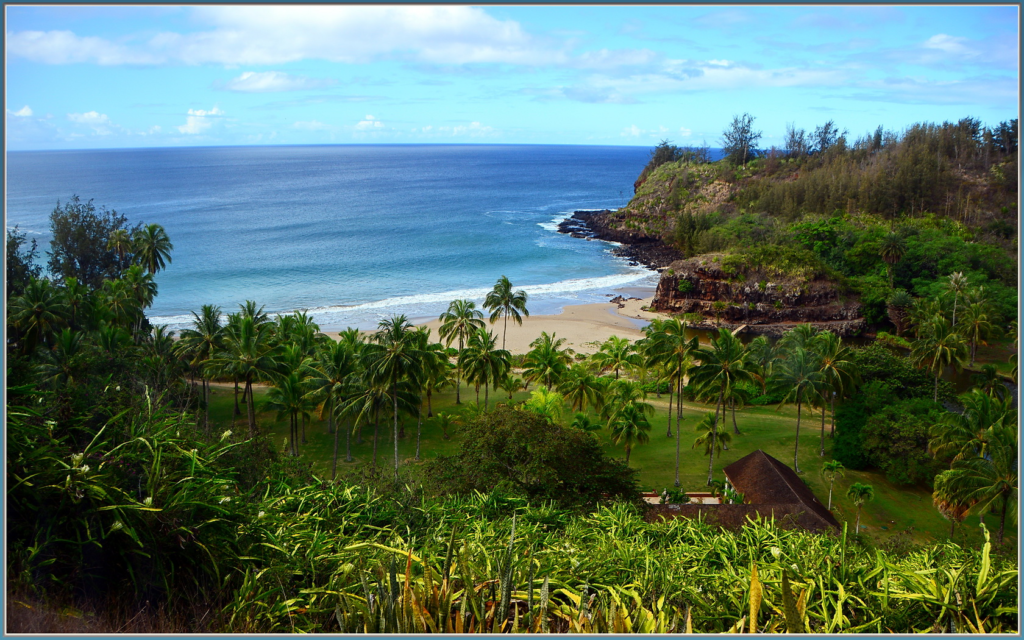
Allerton Garden is part of the National Tropical Botanical Garden and is located in the lush Lāwaʻi Valley on Kauaʻi’s South Shore. Guided tours take visitors through carefully designed garden rooms filled with tropical plants, sculptures, pools, fountains, and large trees.
The garden’s history includes Queen Emma, who spent time in the Lāwaʻi Valley, and Robert and John Gregg Allerton, who helped transform the property into the landscaped garden visitors see today. The towering roots of the Moreton Bay fig trees are especially recognizable because they appeared in the movie Jurassic Park.
Allerton Garden is approximately 15 miles from Līhuʻe Airport. The drive normally takes about 25 to 30 minutes without heavy traffic. The visitor center is located directly across the road from Spouting Horn, making the two attractions easy to visit together.
Reservations are required, and tours may sell out in advance. The standard guided tour is approximately 2.5 hours and is currently offered at select times on Tuesdays, Thursdays, and Saturdays. Admission is currently $65 for adults, $32.50 for children ages 2 through 12, and free for children age 1 and younger. All tours include a shuttle ride from the visitor center into the garden.
One Tip: Arrive at least 30 minutes before your scheduled departure because the shuttle leaves on time. Closed toe shoes or secure hiking sandals are required. Bring water, sun protection, insect repellent, and a light rain layer.
You can also find current tour schedules, admission prices, reservation availability, accessibility information, and garden updates on the official Allerton Garden website.
Local Places to Eat and Shop on Kauaʻi
One of the best ways to experience Kauaʻi is through its locally owned restaurants, bakeries, food trucks, markets, and shops. These places give visitors a chance to try local favorites, support island businesses, and bring home something made on Kauaʻi. Hours and operating days can change, so check each business’s official website or social media page before making a special trip.
Popular Local Places to Eat
Kōloa Fish Market
Location: 3390 Poʻipū Road, Kōloa, HI 96756
Kōloa Fish Market is a casual local favorite for fresh fish, poke bowls, and plate lunches. It is a great place to pick up lunch before exploring the South Shore, but check the current hours because it is closed on certain days of the week.
Hamura Saimin
Location: 2956 Kress Street, Līhuʻe, HI 96766
Phone: (808) 245-3271
Hamura Saimin is a longtime, no-frills local restaurant known for its traditional saimin noodle soup. Popular additions include barbecue meat sticks and a slice of its well-known lilikoi chiffon pie. The restaurant has served generations of customers and was recognized by the James Beard Foundation as an America’s Classic.
Pono Market
Location: 4-1300 Kūhiō Highway, Kapaʻa, HI 96746
Established in 1968, Pono Market is a casual local stop for fresh poke, plate lunches, musubi, and rotating hot entrées. It is best suited for breakfast or lunch, and arriving earlier gives you a better selection before popular items sell out.
Mark’s Place
Location: 1610 Haleukana Street, Līhuʻe, HI 96766
Locally owned and operated since 1998, Mark’s Place is a casual takeout restaurant serving local-style plate lunches, bentos, salads, desserts, and omiyage snacks. Popular choices include Korean chicken, beef stew, chicken katsu, and mixed plates. Seating is limited, so it is especially convenient for picking up lunch to take with you.
Hanalei Bread Company
Location: 5-5183 Kūhiō Highway, Suite C2, Hanalei, HI 96714
Hanalei Bread Company is a locally owned organic bakery and coffee house serving freshly baked breads, pastries, breakfast dishes, smoothies, and coffee. It is a convenient morning stop before visiting Hanalei Bay or exploring the North Shore. The bakery closes early in the afternoon, so plan to visit during the morning.
Wailua Shave Ice
Location: 4-831 Kūhiō Highway, Kapaʻa, HI 96746
Wailua Shave Ice serves Hawaiian-style shave ice made with fresh fruit and is known for its signature haupia foam. The menu includes creative flavor combinations such as the Lava Flow, along with seasonal options. It is a refreshing stop while exploring Kapaʻa and Kauaʻi’s East Side.
Popular Local Places to Shop
Aunty Lilikoi
Location: 9875 Waimea Road, Waimea, HI 96796
Aunty Lilikoi has been making passion fruit products on Kauaʻi since 1990. Its Waimea factory store sells locally made jellies, fruit butters, syrups, mustards, dressings, and sauces. It is a convenient place to find Kauaʻi-made gifts while traveling to or from Waimea Canyon.
Warehouse 3540
Location: 3540 Kōloa Road, Kalāheo, HI 96741
Warehouse 3540 is a former pineapple canning factory that has been transformed into a creative community marketplace. It is home to more than a dozen locally owned small businesses selling artisan goods, jewelry, artwork, clothing, gifts, and other Kauaʻi-made products. Food trucks and small food vendors are also located on the property.
Talk Story Bookstore
Location: 1-2600 Kaumualiʻi Highway, Suite 3B, Kaumakani, HI 96747
Known as the westernmost bookstore in the United States, Talk Story Bookstore carries new and used books, Hawaiiana, rare and collectible books, comics, vinyl records, retro video games, and local gifts. The independent bookstore moved from its longtime Hanapēpē location to a larger space in Kaumakani in 2025.
Kong Lung Trading
Location: 2484 Keneke Street, Kīlauea, HI 96754
Located inside the historic Kong Lung Market Center, Kong Lung Trading offers gifts, home décor, apparel, jewelry, books, stationery, and children’s items. The surrounding market center also has additional small shops and places to eat, making it an enjoyable stop before or after visiting Kīlauea Point.
Kauaʻi Community Market
Location: Kauaʻi Community College Front Lawn, 3-1901 Kaumualiʻi Highway, Līhuʻe, HI 96766
Kauaʻi Community Market brings together island farmers and small local producers selling fresh fruit, vegetables, tropical flowers, honey, coffee, baked goods, prepared foods, and other Kauaʻi-grown products. The market is currently held on Saturday mornings from 9:30 a.m. to 1:00 p.m. Check the current schedule before visiting because market details may change.
Final Thoughts on Visiting Kauaʻi
Kauaʻi is an island that rewards visitors who slow down and take time to appreciate its natural beauty. You can spend one day exploring Waimea Canyon and Kōkeʻe, another visiting Hanalei and the North Shore, and another enjoying the beaches, gardens, waterfalls, and small towns found around the island.
You do not need to fit everything on this list into one trip. Choose the places that interest you most, group stops that are in the same part of the island, and leave extra time for traffic, weather, and unexpected scenic stops. Kauaʻi’s roads can make destinations feel farther apart than they appear on a map, so a relaxed itinerary usually makes for a better visit.
Wherever you go, remember that Kauaʻi is home to local communities, wildlife, and culturally important places. Respect private property, stay on marked trails, follow posted rules, take your trash with you, and never underestimate changing ocean or weather conditions. Taking care of the island helps keep Kauaʻi beautiful for residents and future visitors.