Hawaiʻi Island, commonly called the Big Island, is unlike anywhere else in the state. It is the largest and youngest of the main Hawaiian Islands, with landscapes that range from sunny lava fields and white-sand beaches to tropical rainforests, waterfalls, farmland, and active volcanic terrain.
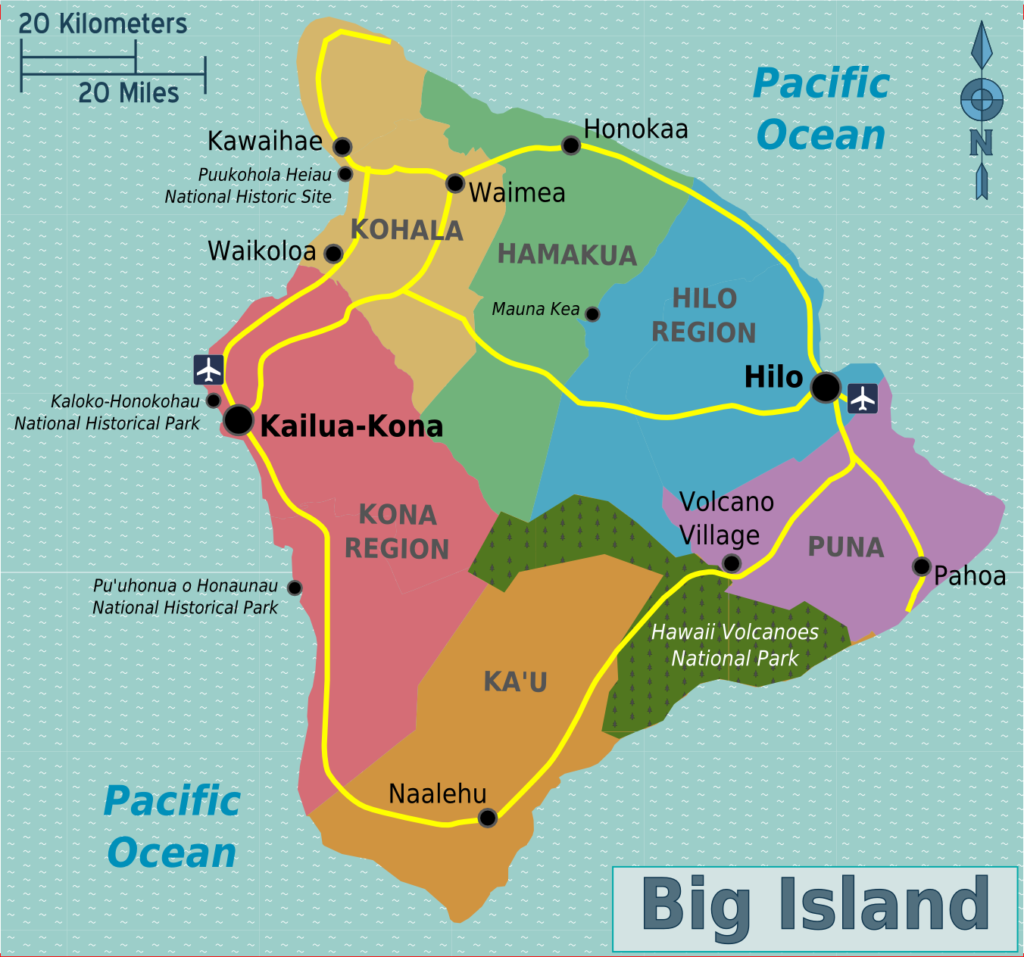
I lived on the Big Island from 1989 to 2001 before moving to Oʻahu, so this island will always be an important part of my life. One thing visitors should understand is just how large it is. Attractions can be hours apart, and the experience feels completely different depending on whether you stay near Kona, the Kohala Coast, Hilo, or Volcano.
In this guide, I’ll help you decide where to stay, whether you need a rental car, how many days to spend, and which places are truly worth visiting. I’ll also share practical tips and current visitor information to help you explore Hawaiʻi Island safely and respectfully.
Note: This page contains affiliate links. If you book a tour or make a purchase through one of these links, I may earn a commission at no additional cost to you. All opinions and recommendations are my own.
Big Island at a Glance
- Population: Approximately 210,000 residents (2025 estimate)
- Size: Approximately 4,028 square miles
- Largest community: Hilo
- Main airports: Ellison Onizuka Kona International Airport (KOA) and Hilo International Airport (ITO)
- Recommended stay: At least 5 to 7 days, or 7 to 10 days if you want to explore both sides of the island
Where Should You Stay on the Big Island?
Where you stay on the Big Island matters because the island is much larger than many visitors expect. Kona, the Kohala Coast, Hilo, and Volcano each offer a completely different experience, and choosing the right area can save you hours of driving.
Kailua-Kona is a convenient choice for first-time visitors who want restaurants, shopping, ocean activities, coffee farms, and easy access to the sunny west side. It is also close to Ellison Onizuka Kona International Airport. Kona is a good base for snorkeling, manta ray tours, and exploring the historic sites along the western coast.
The Kohala Coast, including Waikoloa and the resort areas farther north, is best for travelers who want beautiful beaches, golf, and a relaxing resort vacation. This side is generally sunny and dry, but it is farther from Hilo and Hawaiʻi Volcanoes National Park.
Hilo has a greener, rainier, and more local feel. It is a good base for waterfalls, botanical gardens, the Hāmākua Coast, and trips to Hawaiʻi Volcanoes National Park. Hilo has fewer large resorts than the west side, but it offers a completely different view of the island.
Staying in Volcano puts you close to Hawaiʻi Volcanoes National Park and makes it easier to explore the park early in the morning or after dark. The area is cooler, quieter, and surrounded by rainforest, but restaurants, shopping, and other services are more limited.
If you have at least a week, splitting your stay between the Kona or Kohala side and the Hilo or Volcano side can make exploring easier. It reduces long back-and-forth drives and lets you experience both the sunny west coast and the lush eastern side of the island.
Do You Need a Rental Car on the Big Island?
For most visitors, I strongly recommend renting a car on the Big Island. The island covers more than 4,000 square miles, and many of its beaches, parks, historic sites, and scenic areas are spread far apart.
Hawaiʻi County has a public bus system called Hele-On, but its routes and schedules are not designed around a typical visitor itinerary. Taxis and rideshare services may be available around the airports and larger towns, but they can be limited or unavailable in more remote areas.
Having a rental car gives you the freedom to explore at your own pace and stop at viewpoints, small towns, beaches, and food spots along the way. Always check your rental agreement before driving on steep, unpaved, or restricted roads because some areas require four-wheel drive or prohibit standard rental vehicles.
How Many Days Do You Need on the Big Island?
I recommend spending at least five to seven days on the Big Island. That gives you enough time to explore one or two regions without spending your entire vacation in the car.
If you want to experience both the Kona side and the Hilo or Volcano side, seven to ten days is even better. You can divide your stay between the two sides and enjoy beaches, waterfalls, historic sites, and Hawaiʻi Volcanoes National Park at a more comfortable pace.
With only three or four days, I would focus on one side of the island and choose the places that matter most to you. Trying to circle the entire island and visit every major attraction in a short trip can feel exhausting because driving distances are much longer than they appear on a map.
Things You Shouldn’t Miss on the Big Island
Hawaiʻi Volcanoes National Park
Location: 1 Crater Rim Drive, Hawaii National Park, HI 96718
Approximate distance and driving time: About 30 miles, or 45 minutes to 1 hour, from Hilo International Airport (ITO); approximately 90 to 100 miles, or 2½ to 3 hours, from Kona International Airport (KOA).
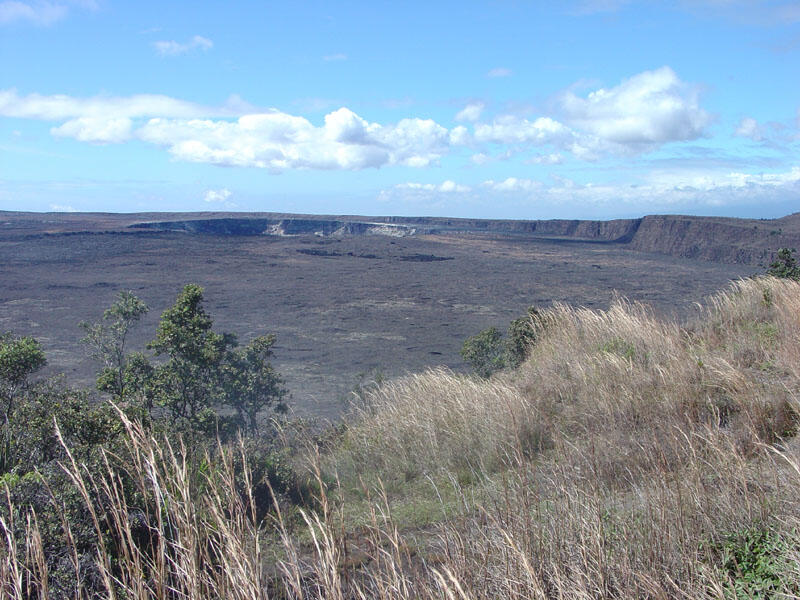
Hawaiʻi Volcanoes National Park is much more than a place to stop for a crater view. The park protects the changing landscapes surrounding Kīlauea and Mauna Loa and includes hiking trails, scenic drives, lava fields, rainforest, cultural sites, steam vents, and volcanic overlooks. You can see a few highlights in half a day, but a full day gives you time to explore without rushing.
Start at the park’s Welcome Center for current information about eruptions, trail conditions, road closures, air quality, and ranger programs.
Ranger Programs and Walking Trails
The park currently offers free ranger-guided programs on most days at the Kīlauea summit. Programs such as Life on the Edge and Explore the Summit may include short walks and discussions about volcanic activity, geology, native plants, and the cultural importance of the landscape. Programs are included with park admission, but times and meeting locations change. Check the park calendar before visiting or read the daily program board at the Welcome Center.
Visitors can also explore several trails independently:
• Devastation Trail is an easier paved walk through a landscape buried by falling cinder during the 1959 Kīlauea Iki eruption. The round-trip walk is approximately one mile and usually takes about an hour.
• Kīlauea Iki Trail is a more demanding 3.3-mile loop that descends 400 feet through rainforest and crosses the floor of a solidified lava lake. Allow approximately two to three hours. Parking at the overlook is extremely limited, so arriving early or beginning from another approved trailhead may be necessary.
• Crater Rim Trail has several sections offering views of the Kīlauea summit, steam vents, native plants, and volcanic landscapes. Check current conditions because individual portions may be closed.
• Nāhuku, also called Thurston Lava Tube, provides a short walk through rainforest and a lava tube formed by flowing lava hundreds of years ago. Access and lighting conditions can change, so confirm that it is open and bring a flashlight if advised.
Another highlight is Chain of Craters Road, an 18.8-mile scenic drive from the Kīlauea summit toward the coast. The road passes craters, older lava flows, overlooks, trails, petroglyphs, and dramatic coastal scenery. There is no food, drinking water, or fuel available along the road, so fill your gas tank and bring supplies before starting.
Before You Go
Volcanic activity can change quickly, and flowing lava is never guaranteed. An eruption can begin, pause, or end with little notice. Always check current park conditions and official eruption-viewing information before making the drive.
The park is open 24 hours a day, although visitor services and individual areas have separate schedules. A standard private-vehicle pass currently costs $30 and is valid for seven days. Arrive early when possible and bring water, sturdy shoes, sun protection, a warm layer, and rain gear. Volcanic gases can affect air quality, so follow all closures and safety instructions.
Current U.S. military members and their dependents qualify for a free annual Military Pass, while U.S. military veterans and Gold Star Family members qualify for a free lifetime pass. The pass covers the entrance fee for the passholder and passengers in one private vehicle. Accepted identification is required.
One tip: Check the park’s alerts and eruption updates on the morning of your visit. Volcanic activity, viewing conditions, air quality, and road or trail closures can change quickly, so do not plan your entire visit around seeing visible lava.
You can also find current hours, entrance fees, road and trail conditions, ranger programs, and eruption updates on the official Hawaiʻi Volcanoes National Park website.
Punaluʻu Black Sand Beach
Location: 96-876 Government Road, Nāʻālehu, HI 96772
Approximate distance and driving time: About 60 miles, or 1 hour 15 minutes to 1 hour 30 minutes, from Hilo International Airport (ITO); about 75 miles, or 2 to 2½ hours, from Kona International Airport (KOA).
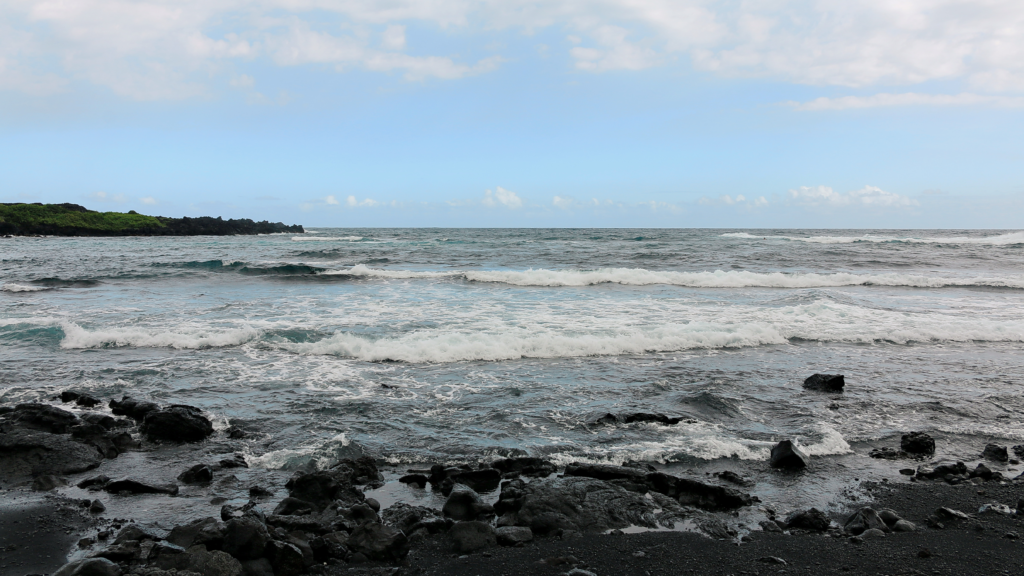
Located on the southeastern Kaʻū coast between Pāhala and Nāʻālehu, Punaluʻu is one of Hawaiʻi’s best-known black-sand beaches. Its dark volcanic sand, coconut palms, and rugged coastline make it a memorable stop when driving between Hawaiʻi Volcanoes National Park and the Kona side of the island.
Punaluʻu is generally better for sightseeing and photographs than swimming. The shoreline can be rocky, and ocean conditions may be rough. Never remove black sand, rocks, or other natural materials from the beach.
Honu, or Hawaiian green sea turtles, are often seen resting on the sand. Observe them quietly from at least 10 feet away, and never touch, chase, feed, or block a turtle’s path to or from the ocean.
For travelers who want to see several Big Island highlights without doing all the driving themselves, the Big Island in a Day – Explore Volcanoes, Waterfalls, Beaches & More tour is a highly rated full-day option. The approximately nine-hour tour combines Hawaiʻi Volcanoes National Park with waterfalls, Punaluʻu Black Sand Beach, and other scenic stops around the island.
I recommend allowing approximately 30 minutes to an hour for a relaxed visit.
One tip: Punaluʻu works especially well as a planned stop while driving between Hawaiʻi Volcanoes National Park and the Kona side of the island. Allow extra travel time because the surrounding highways are mostly two-lane roads, and the drive can take longer than the mileage suggests.
You can also find the park’s address, amenities, and contact information on the official Hawaiʻi County Punaluʻu Black Sand Beach Park page.
Manta Ray Night Snorkeling
Location: Kailua-Kona coast, with tours departing from harbors in the Kona area
Approximate distance and driving time: Varies by departure harbor; many tours leave from the Kailua-Kona/Keauhou area
Night snorkeling with manta rays is one of the Big Island’s most distinctive ocean experiences. After dark, boats travel to known manta feeding areas where lights in the water attract plankton, drawing manta rays close enough for snorkelers to watch them glide and feed below.
The experience is best suited to visitors who are comfortable swimming and snorkeling in open water at night. Tour operators typically provide snorkeling gear, flotation equipment, and instruction, but requirements vary, so always check the individual operator’s swimming and fitness rules before booking.
For travelers who want a guided option, the Big Island Manta Ray Night Snorkel is a highly rated tour that lasts about 2.5 hours and includes snorkeling equipment, a professional guide, light snacks, and time on the water along the Kona coast.
One Tip: Manta rays are wild animals, so sightings can never be guaranteed. Ocean conditions can also affect the tour route or whether the trip operates, so check the operator’s current cancellation and rebooking policies before you go.
Puʻuhonua o Hōnaunau National Historical Park
Location: 84-5559 Keala o Keawe Road (Highway 160), Hōnaunau, HI 96726
Approximate distance and driving time: About 105 to 115 miles, or 2 hours 15 minutes to 2 hours 45 minutes, from Hilo International Airport (ITO); about 28 miles, or 50 minutes to 1 hour, from Kona International Airport (KOA).
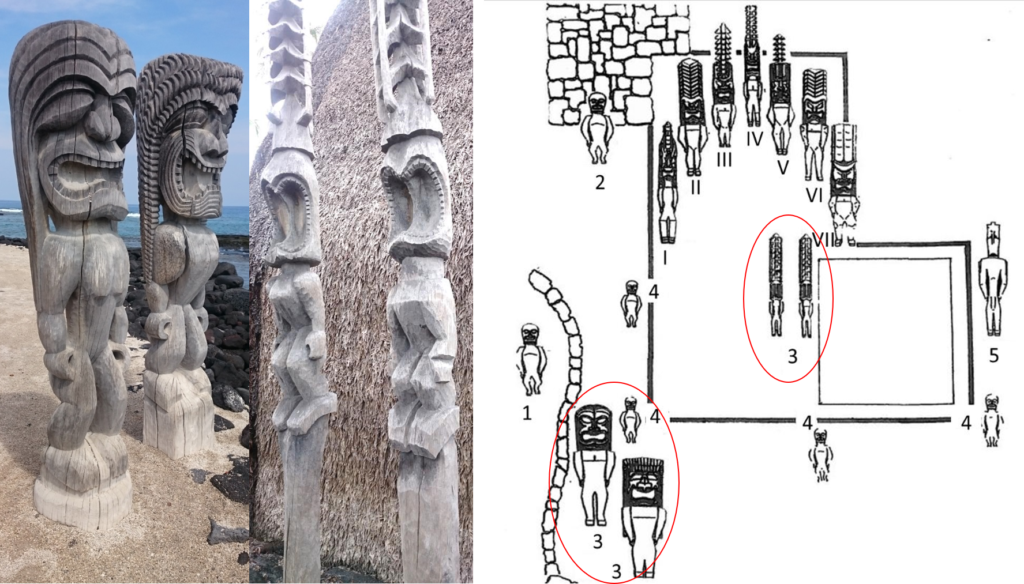
Puʻuhonua o Hōnaunau National Historical Park is one of the most important cultural and historic places on the Big Island. Located along the South Kona coast, it preserves ancient Royal Grounds and a sacred place of refuge.
Under the traditional kapu system, people who broke certain laws could face severe punishment. Those who successfully reached the puʻuhonua could receive protection and seek forgiveness through a priest. The neighboring Royal Grounds were reserved for aliʻi, or Hawaiian chiefs.
The best way to explore is the half-mile self-guided walking and audio tour. The route crosses crushed coral sand and lava rock and passes royal fishponds, Keoneʻele Cove, traditional structures, heiau, and the reconstructed Hale o Keawe surrounded by carved wooden kiʻi. You will also see the Great Wall, a massive dry-stacked stone wall built without mortar more than 400 years ago.
Cultural demonstrations are offered regularly and may include traditional Hawaiian arts, crafts, and other practices. Dates and times change, so ask at the Visitor Center or check the park’s calendar.
The park gates are open daily from 8:15 a.m. until sunset, and the Visitor Center is generally open from 8:30 a.m. to 4:30 p.m. A private-vehicle pass currently costs $20 and is valid for seven days. The park is cashless and accepts qualifying America the Beautiful, Military, and Hawaiʻi Tri-Park passes. The standard Hawaiʻi Volcanoes National Park vehicle pass does not cover admission to this separate park.
I recommend allowing approximately one and a half to two hours. Bring water, sun protection, and comfortable walking shoes because the grounds can be hot and uneven. Food is not sold inside the park, and eating should be limited to the designated picnic area.
This is a sacred cultural site rather than a swimming beach. Ocean access is not allowed within the park. The snorkeling location commonly called Two Step is outside the park beside Hōnaunau Bay and is also an active boat-launch area.
One tip: Start at the Visitor Center and follow the self-guided route in order. The signs and audio stops help explain what each area meant, and the site becomes much more meaningful when you understand its history instead of only walking through for photographs.
You can also find current hours, entrance fees, cultural programs, accessibility information, and any updates on the official Puʻuhonua o Hōnaunau National Historical Park website.
ʻAkaka Falls State Park
Location: End of ʻAkaka Falls Road (Highway 220), 3.6 miles southwest of Honomū
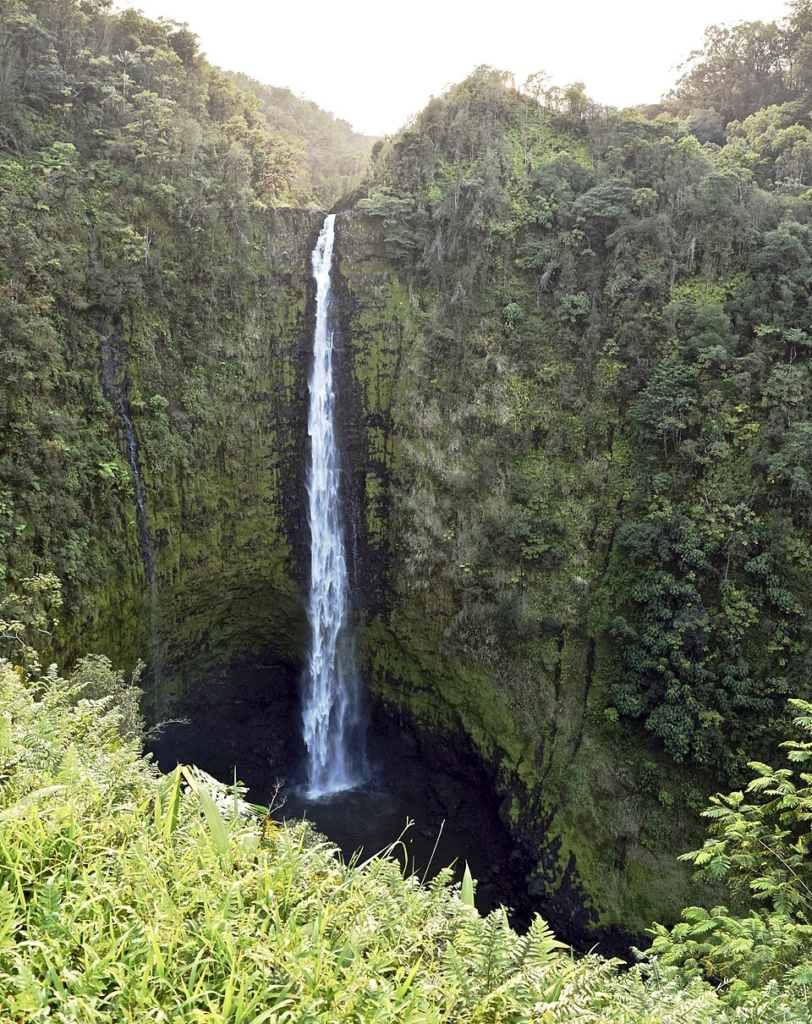
Approximate distance and driving time: About 20 miles, or 30 to 40 minutes, from Hilo International Airport (ITO); approximately 83 miles, or 1 hour 45 minutes to 2 hours 15 minutes, from Kona International Airport (KOA).
ʻAkaka Falls State Park is one of the easiest places near Hilo to experience Hawaiʻi Island’s lush rainforest and waterfalls. The park’s main attraction is ʻAkaka Falls, which drops 442 feet into a stream-carved gorge. The trail also provides a view of 100-foot Kahuna Falls.
The self-guided loop is approximately 0.4 miles and usually takes 45 minutes to one hour when allowing time for photographs. Although the path is paved, it includes uphill sections and numerous steps and is not wheelchair accessible. Visitors who only want to see ʻAkaka Falls can take the shorter path to the left at the first junction.
Rain is common in this area, and the trail can become wet and slippery. Wear shoes with good traction and bring water and light rain protection. Stay on the designated trail and avoid picking plants or disturbing the surrounding rainforest.
The park is normally open daily from 8:30 a.m. to 5:00 p.m. Non-Hawaiʻi residents pay a $5 entrance fee per person and a $10 parking fee per noncommercial vehicle. Children age three and younger enter free. Hawaiʻi residents receive free admission and parking with valid identification. Payments are accepted by credit card only.
One tip: Although the trail is paved, it includes numerous stairs and can become slippery. If anyone in your group has difficulty with steps, do not assume this is an easy or accessible waterfall walk.
You can also find current hours, entrance and parking fees, trail information, and any closure updates on the official ʻAkaka Falls State Park website.
Rainbow Falls
Location: Rainbow Drive, off Waiānuenue Avenue in Hilo
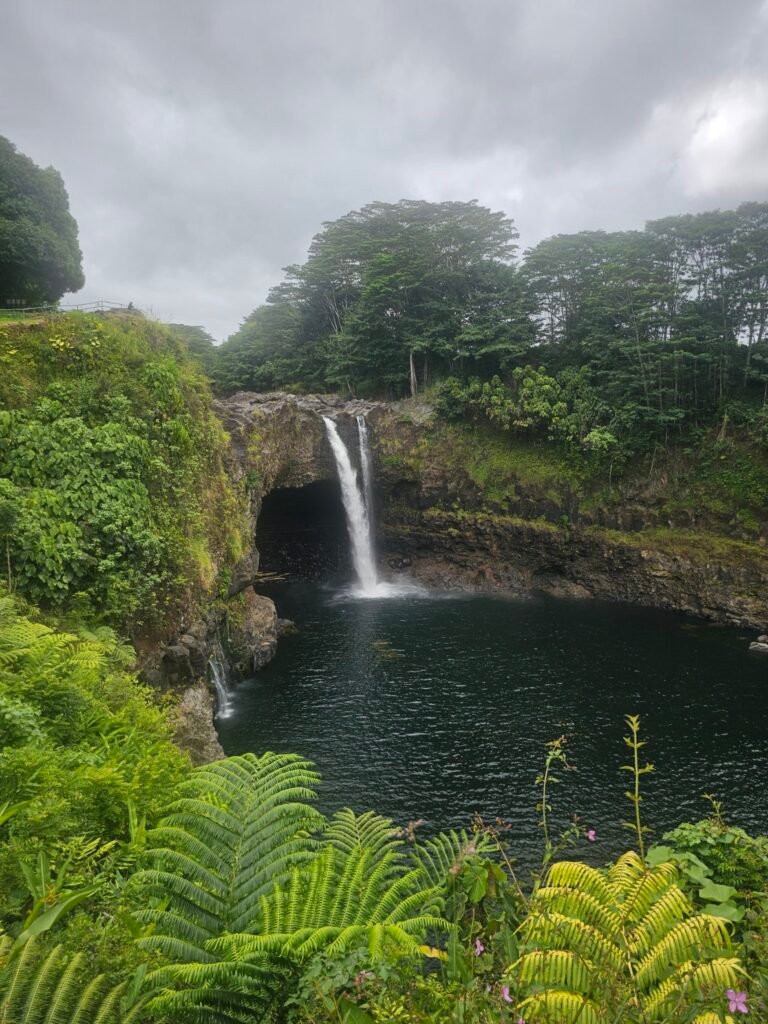
Approximate distance and driving time: About 6 miles, or 10 to 15 minutes, from Hilo International Airport (ITO); approximately 75 miles, or 1 hour 40 minutes to 2 hours, from Kona International Airport (KOA).
Rainbow Falls, also known as Waiānuenue, is an 80-foot waterfall within Wailuku River State Park. It is one of the easiest waterfalls to visit near Hilo because the main viewing area is only a short walk from the parking lot.
The waterfall is named for the rainbows that often appear in its mist when morning sunlight reaches the water. Water volume varies depending on recent rainfall, so the falls may appear especially powerful after wet weather. According to Hawaiian tradition, the cave beneath the waterfall was the home of Hina, mother of the demigod Māui.
Most visitors spend approximately 20 to 30 minutes at Rainbow Falls. The best chance of seeing a rainbow is usually during a sunny morning. Remain within the designated viewing areas and never enter the river, where water levels and currents can change quickly.
The park is normally open daily from 7:00 a.m. to 5:30 p.m., with the gates locking at 6:00 p.m. Non-Hawaiʻi residents pay a $5 entrance fee per person and a $10 parking fee per noncommercial vehicle. Children age three and younger enter free, while Hawaiʻi residents receive free admission and parking with valid identification. Payments are accepted by credit card only.
One tip: Visit on a sunny morning for your best chance of seeing a rainbow in the waterfall’s mist. You can also continue a short distance upstream to the Boiling Pots viewpoint, but remain within designated viewing areas and never enter the Wailuku River.
You can also find current hours, entrance and parking fees, park information, and any closure updates on the official Wailuku River State Park website.
Maunakea Visitor Information Station
Location: Maunakea Access Road at the 9,200-foot level; turn off Daniel K. Inouye Highway near mile marker 28
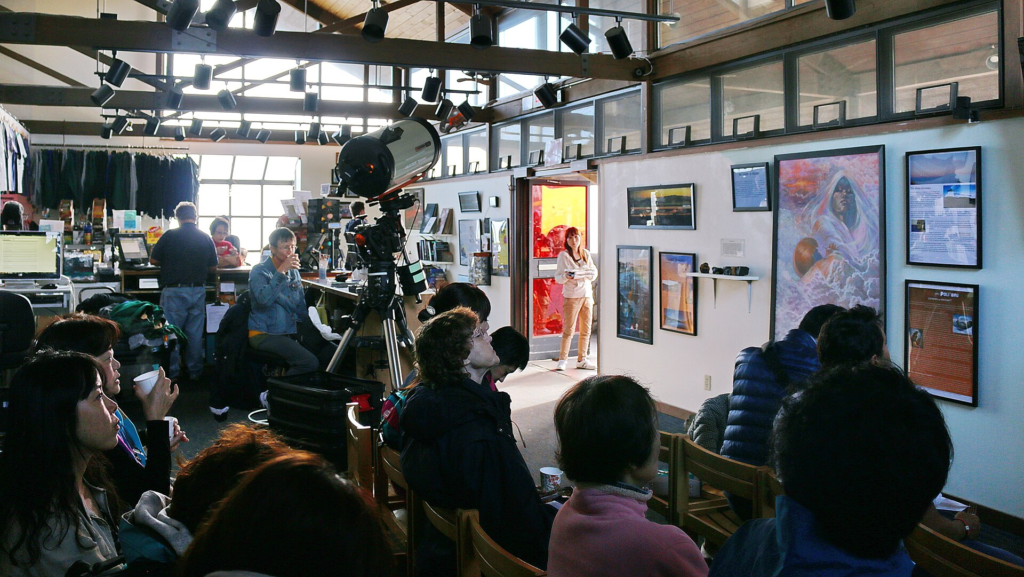
Approximate distance and driving time: About 40 to 45 miles, or 1 hour to 1 hour 15 minutes, from Hilo International Airport (ITO); approximately 50 to 55 miles, or 1 hour 15 minutes to 1 hour 30 minutes, from Kona International Airport (KOA).
The Maunakea Visitor Information Station, officially called the Onizuka Center for International Astronomy Visitor Information Station, sits at an elevation of approximately 9,200 feet. Visitors come here for mountain views, sunsets, stargazing, educational programs, and short walking routes around the station.
The visitor station is not the summit. Most standard vehicles can reach the station using the paved Maunakea Access Road, but the road above it becomes steep, rough, and partially unpaved. Two-wheel-drive vehicles are not permitted above the visitor station. Only properly equipped four-wheel-drive or all-wheel-drive vehicles that meet current ranger requirements may continue toward the summit. Drivers should also confirm that their rental agreement allows summit travel and use low-range gearing while descending to prevent the brakes from overheating.
For travelers who want to experience sunset and stargazing without handling the high-elevation drive themselves, the Mauna Kea Summit and Stars Small-Group Adventure Tour is a highly rated option. The approximately eight-hour experience includes a summit sunset, guided stargazing with telescope viewing, warm clothing, and refreshments.
Fill your gas tank before beginning the drive because there are no gas stations on Maunakea. Official guidance recommends having at least half a tank before continuing above the Visitor Information Station, but starting with a full tank is the safest and simplest plan.
The station is normally open daily from 9:00 a.m. to 9:00 p.m. Free public astronomy programs may be offered, but schedules and telescope availability can change because of weather and staffing. The summit observatories are generally not open to the public, and visitors must leave the summit area shortly after sunset. Stargazing takes place at designated areas below the summit.
Important Altitude and Safety Information
Altitude sickness can occur even at the visitor station. Anyone experiencing a headache, nausea, dizziness, shortness of breath, unusual fatigue, confusion, or loss of balance should descend immediately.
Visitors should not travel above the station if they are pregnant, younger than 13, have certain heart, respiratory, or blood-pressure conditions, or have been scuba diving within the previous 24 hours. Anyone planning to continue higher should spend at least 30 minutes at the visitor station to acclimate first.
Temperatures can be extremely cold after sunset, even when it is warm at the coast. Snow and ice sometimes cover the upper elevations of Maunakea, most commonly during winter storms. Maunakea is not the only mountain in Hawaiʻi that receives snow—nearby Mauna Loa can also become snow-covered. Snow, ice, high winds, and rapidly changing weather can close the summit road even when coastal conditions are warm and sunny.
Bring warm layers, long pants, closed-toe shoes, water, sunscreen, and snacks. Food and restroom services at the visitor station are limited, so arrive prepared.
Maunakea is deeply significant and sacred in Hawaiian culture. Stay on designated roads and trails, follow ranger instructions, and leave all rocks and natural materials undisturbed. Drones, camping, fires, and pets other than service animals are prohibited.
One tip: Check the mountain’s weather and road reports before leaving the coast, then bring more warm clothing than you think you will need. Conditions can feel extremely cold after sunset even when the weather at the beach is warm and sunny.
Allow at least two to three hours at the visitor station if you plan to watch the sunset and stargaze. Always check the official website for current weather, road conditions, closures, and program schedules before beginning the drive.
Hāpuna Beach State Recreation Area
Location: Old Puakō Road, off Queen Kaʻahumanu Highway (Route 19) on the Kohala Coast
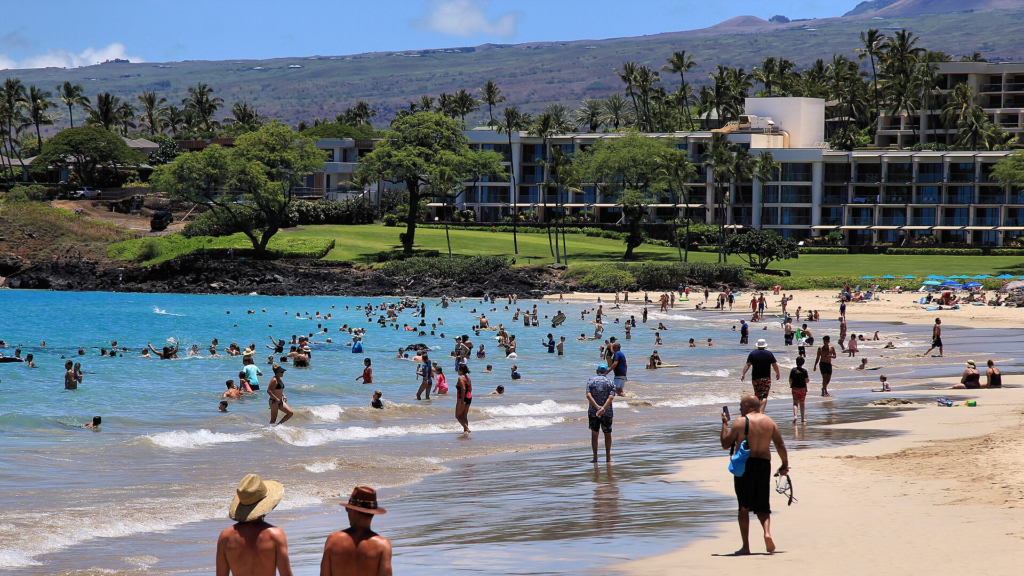
Approximate distance and driving time: About 65 to 70 miles, or 1 hour 25 minutes to 1 hour 45 minutes, from Hilo International Airport (ITO); approximately 26 miles, or 35 to 45 minutes, from Kona International Airport (KOA).
Hāpuna Beach State Recreation Area is home to one of the largest and most popular white-sand beaches on Hawaiʻi Island. Located along the sunny Kohala Coast, its wide sandy shoreline makes it a beautiful place for swimming, relaxing, picnicking, and watching the sunset.
Swimming can be pleasant when the ocean is calm, and lifeguard services are provided. However, conditions can change quickly. High surf can create dangerous rip currents and powerful shorebreak, particularly during the winter months. When waves are higher than approximately three feet, the state recommends that only experienced ocean users enter the water. Always follow posted warnings and lifeguard instructions.
The beach has limited natural shade, so bring sun protection, plenty of water, and a beach umbrella if possible. Restrooms, outdoor showers, picnic areas, and parking are available. Food services may be limited or unavailable, so visitors should bring their own drinks and snacks rather than depending on a concession.
The park is normally open daily from 7:00 a.m. to 7:30 p.m., with the entrance gates closing at 8:00 p.m. Non-Hawaiʻi residents pay a $5 entrance fee per person and a $10 parking fee per noncommercial vehicle. Children age three and younger enter free. Hawaiʻi residents receive free admission and parking with valid identification. Payments are accepted by credit card only.
One tip: Arrive earlier in the day, especially on weekends and holidays, and check the warning signs or speak with a lifeguard before entering the water. A sunny day can still bring strong rip currents and powerful shorebreak.
Arrive early on weekends and holidays because the parking area and the most convenient sections of the beach can become crowded. Allow at least two to four hours if you plan to swim and relax. Check the official state park page for current operating conditions, ocean warnings, closures, and facility updates before driving to the beach.
Waipiʻo Valley Lookout
Location: 48-5546 Waipiʻo Valley Road, Honokaʻa, HI 96727
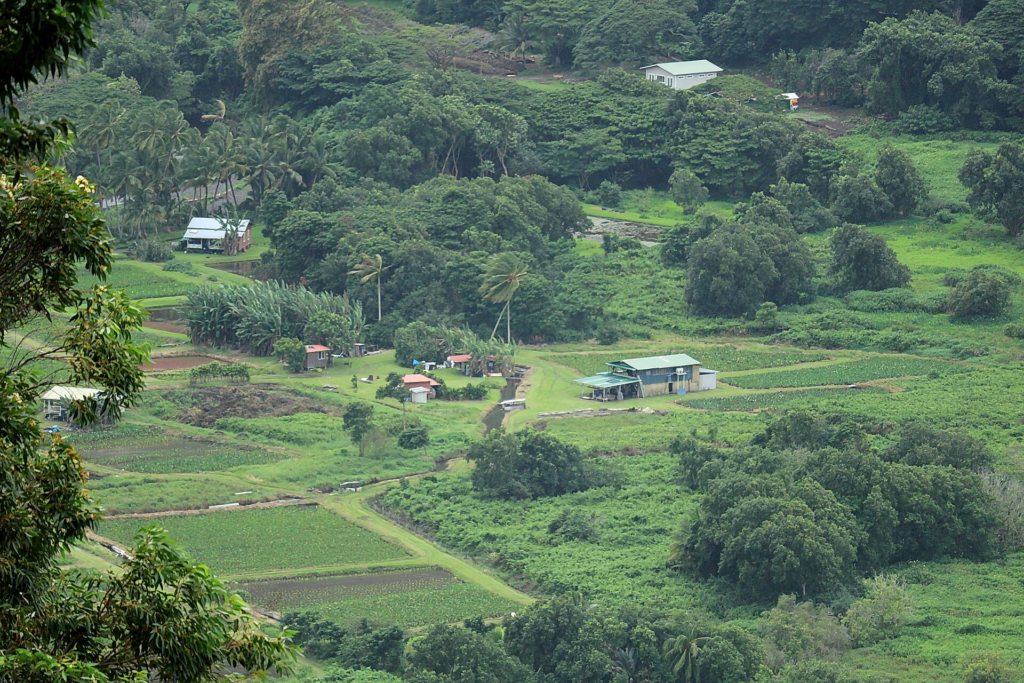
Approximate distance and driving time: About 54 miles, or 1 hour 15 minutes to 1 hour 30 minutes, from Hilo International Airport (ITO); approximately 49 miles, or 1 hour 30 minutes to 1 hour 50 minutes, from Kona International Airport (KOA).
Waipiʻo Valley Lookout offers a sweeping view of one of Hawaiʻi Island’s most dramatic and culturally significant landscapes. From the rim, visitors can look across the lush valley, steep cliffs, river, and black-sand coastline. Waterfalls may also be visible when conditions are clear and recent rainfall has been sufficient.
Often called the Valley of the Kings, Waipiʻo was an important center of Hawaiian political and religious life and was the childhood home of King Kamehameha I. The valley remains a living community where residents farm and maintain family and cultural connections to the land.
The lookout is free to visit and does not require a reservation. Parking is limited, so visitors may need to wait for a space during busy periods. Restrooms and a covered pavilion are available. Most visitors spend approximately 30 to 45 minutes enjoying the view and taking photographs.
Important Valley Access Restrictions
Visitor access to the valley floor is currently restricted because of safety concerns involving the steep and narrow Waipiʻo Valley Road. Visitors are not permitted to walk down the road or drive their own vehicles into the valley, even if they have a four-wheel-drive rental vehicle.
Under current Hawaiʻi County rules, valley-road access is limited to Hawaiʻi County residents, permitted licensed and insured tour operators, and certain Native Hawaiian traditional and customary practitioners. Visitors who want to enter the valley must arrange a tour with an authorized operator. Horseback access and uncovered vehicles such as ATVs are also prohibited on the road.
Do not walk past closure signs or attempt to enter the valley through private property. Waipiʻo is not an abandoned attraction—it is an inhabited and culturally important place. Remain within designated public areas, keep noise low, and respect residents, farms, signs, and property boundaries.
One tip: Do not rely on older travel articles or map directions that suggest walking or driving down Waipiʻo Valley Road. Visitors currently must remain at the lookout unless entering the valley with an authorized tour operator.
You can also find the lookout’s address and official contact information on the Hawaiʻi County Waipiʻo Lookout page.
Kealakekua Bay State Historical Park
Location: Nāpōʻopoʻo Road, near Captain Cook in South Kona
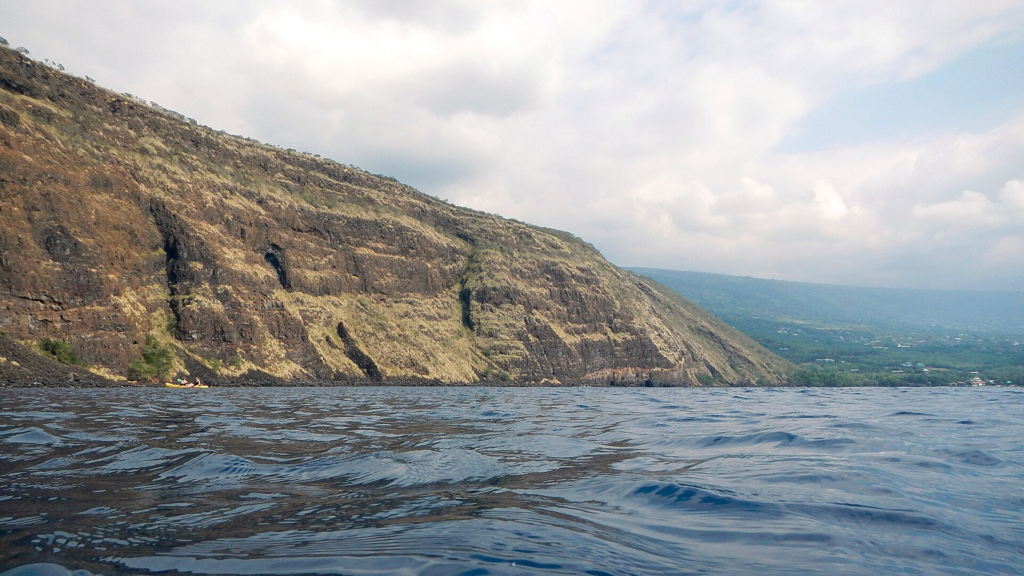
Approximate drive: 95–100 miles (2 hours 15–30 minutes) from Hilo International Airport; about 24 miles (40–50 minutes) from Ellison Onizuka Kona International Airport at Keāhole.
Kealakekua Bay is one of Hawaiʻi Island’s most historically and culturally significant places. It was the site of the first extensive contact between Native Hawaiians and Westerners following Captain James Cook’s arrival in 1779. Cook was later killed near the bay during a conflict, and the Captain Cook Monument now stands across the water at Kaʻawaloa Flats.
The Nāpōʻopoʻo section is the easiest part of the park to visit by car. From here, you can view Hikiau Heiau, a sacred Hawaiian religious site, and see the Captain Cook Monument across the bay. Please do not climb onto or enter the heiau.
Reaching the Captain Cook Monument requires more planning. Visitors may hike down the steep historic Kaʻawaloa Trail or join a guided kayak tour operated by a company authorized by Hawaiʻi State Parks. The trail is exposed and strenuous, with no restrooms or drinking water, so bring plenty of water, sun protection, and sturdy footwear.
Private and rental vessels—including kayaks, canoes, stand-up paddleboards, and inflatables—must have a valid State Parks permit to transit Kealakekua Bay. If you rent a vessel, confirm that it is properly permitted. Permitted private and rental vessels may not land at Kaʻawaloa Flats or launch from Nāpōʻopoʻo Wharf. Authorized guided kayak tours follow separate rules that allow them to land near the monument.
The park is normally open daily from 7:00 a.m. to 8:00 p.m., and there is no entrance fee. Restrooms are available only in the Nāpōʻopoʻo section—not along the Kaʻawaloa Trail or at the monument.
One tip: If your main goal is reaching the Captain Cook Monument or snorkeling near it, an authorized guided kayak tour may be easier than the steep and exposed Kaʻawaloa Trail. Confirm that the company is listed as an authorized operator before booking.
You can also find current hours, permit requirements, authorized kayak tour operators, and any updates on the official Kealakekua Bay State Historical Park website.
Tour a Kona Coffee Farm
Location: The Kona Coffee Belt, primarily along Māmalahoa Highway between Hōlualoa and Captain Cook
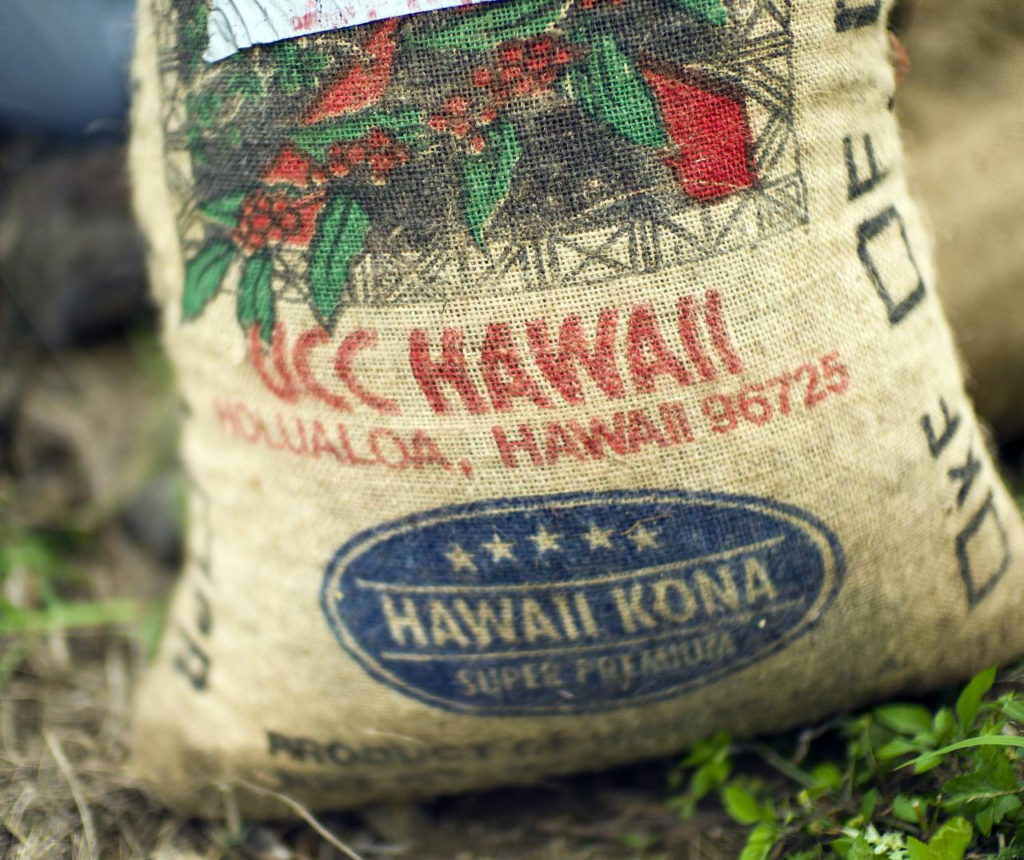
Approximate drive: Depending on the farm, approximately 75–100 miles (1 hour 45 minutes–2 hours 30 minutes) from Hilo International Airport and 10–30 miles (20–50 minutes) from Ellison Onizuka Kona International Airport at Keāhole.
Kona coffee is grown on the volcanic slopes of Hualālai and Mauna Loa, where elevation, rich volcanic soil, regular cloud cover, and afternoon rain create favorable growing conditions. Visiting a working coffee farm gives you a much better understanding of why Kona coffee is so closely connected to this part of Hawaiʻi Island.
Tours may take you through coffee orchards and explain the entire process—from flowering and hand-picking ripe coffee fruit to pulping, drying, milling, roasting, and brewing. Many tours finish with a coffee tasting, and some farms also offer roasting demonstrations or hands-on classes.
Tour schedules vary considerably. Some farms offer complimentary walk-in tours, while smaller farms and more detailed experiences may charge admission and require advance reservations. Always check the individual farm’s hours, tour schedule, price, and reservation requirements before driving there.
Wear sturdy shoes because farm paths can be uneven, damp, or sloped. Bring sun protection and light rain gear as well. What you see depends on the season—you may encounter fragrant white blossoms, developing green fruit, ripe red coffee cherries, or harvesting and processing activity.
When purchasing coffee, read the package carefully to determine whether it contains 100% Kona coffee or is a blend. Buying directly from a local farm is also a good way to support Hawaiʻi Island growers and bring home freshly roasted coffee.
One tip: Choose a farm and confirm its tour time before beginning the drive. The Kona Coffee Belt covers a large area, and not every farm accepts walk-in visitors or offers tours every day.
You can also find local growers, farm contact information, and farms offering visitor tours through the Kona Coffee Farmers Association’s member-farm directory.
Hawaiʻi Tropical Botanical Garden
Location: 27-717 Old Māmalahoa Highway, Pāpaʻikou, HI 96781
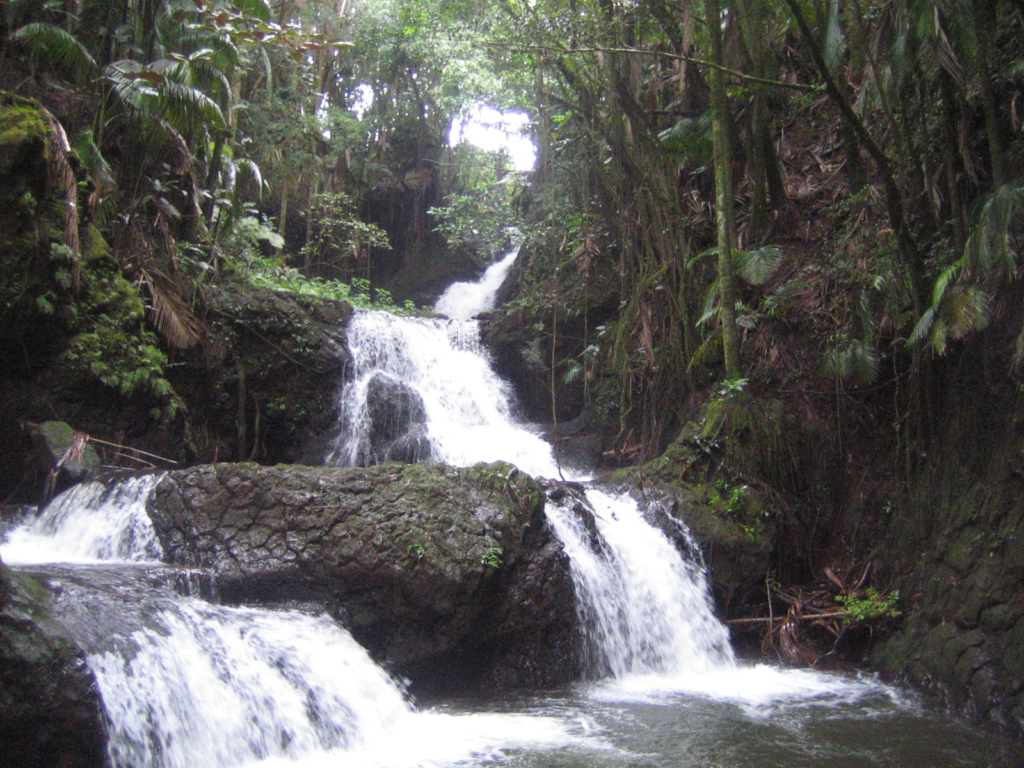
Approximate drive: About 9 miles (20 minutes) from Hilo International Airport and approximately 82 miles (2 hours) from Ellison Onizuka Kona International Airport at Keāhole.
Located in the lush ʻŌnomea Valley along the Hāmākua Coast, Hawaiʻi Tropical Botanical Garden combines a tropical rainforest, botanical collections, streams, waterfalls, and views of ʻŌnomea Bay. The nonprofit garden protects and displays more than 2,500 tropical and subtropical plant species, including palms, orchids, heliconias, bromeliads, and endangered plants from Hawaiʻi and other parts of the world.
Visitors follow more than a mile of trails and boardwalks through the valley. Along the way, you can see the orchid garden, lily lake, ʻŌnomea Falls, remnants of the area’s plantation history, and coastal views overlooking the bay. Allow approximately 90 minutes to two hours for a self-guided visit.
The entrance boardwalk is steep, descending approximately 100 feet over a distance of 500 feet, and it can become slippery when wet. Visitors must be able to navigate it without mobility devices. Wheelchairs, walkers, scooters, and crutches are not permitted on the trails, although walking sticks and canes are allowed. Wear comfortable shoes with good traction and bring rain gear, insect repellent, and drinking water.
The garden is normally open daily from 10:00 a.m. to 6:00 p.m., with the final admission at 5:00 p.m. It is closed on Thanksgiving, Christmas Day, and New Year’s Day. Current self-guided admission is $35 for adults, $33 for Hawaiʻi residents with valid identification, $28 for active-duty military members with valid identification, $25 for children ages 6–12, and free for children younger than 6.
Guided tours are normally offered on Wednesdays at 9:30 a.m. and are limited to 10 guests, so advance reservations are recommended. Personal handheld photography is welcome, but drones, live broadcasts, and commercial use of photographs or videos taken inside the garden are prohibited.
One tip: Do not let the garden’s short distance from Hilo fool you. The entrance boardwalk is steep, and the humid rainforest can make it slippery, so wear shoes with good traction and allow enough time for the walk back uphill.
You can also find current hours, admission rates, guided-tour availability, accessibility information, and any updates on the official Hawaiʻi Tropical Botanical Garden website.
Local Places to Eat and Shop on the Big Island
One of the best ways to experience Hawaiʻi Island is through its locally owned restaurants, markets, bakeries, and stores. Hours and operating days can change, so check each business’s official website before making a special trip.
Popular Local Places to Eat
Address: 93 Lihiwai Street, Hilo, HI 96720
Suisan is a longtime Hilo fish market known for fresh local seafood, made-to-order poke, and grab-and-go poke bowls. Selection is generally best earlier in the day, and the market is closed on certain weekdays.
Address: 681 Manono Street, Hilo, HI 96720
Hawaiian Style Cafe is known for generous portions, local-style breakfasts, pancakes, loco moco, plate lunches, and other comfort-food favorites. It is popular with both residents and visitors, so expect a possible wait during busy breakfast hours.
Umekes Fish Market Bar & Grill — Kailua-Kona
Address: 74-5599 Pawai Place, Kailua-Kona, HI 96740
Umekes specializes in fresh poke, locally sourced seafood, fish tacos, and Hawaiian-inspired dishes. The Kona restaurant offers indoor and outdoor seating, while its fish-market counter is convenient for visitors who want something quicker.
Address: 45-690 Pakalana Street, Honokaʻa, HI 96727
Tex Drive In is a convenient stop when traveling toward Waipiʻo Valley or exploring the Hāmākua Coast. It is especially popular for fresh malasadas, breakfasts, burgers, sandwiches, and local-style plate lunches.
Address: 95-5642 Māmalahoa Highway, Nāʻālehu, HI 96772
Punaluʻu Bake Shop is known for Hawaiian sweet bread, malasadas, cookies, plate lunches, and locally made gifts. It is a convenient stop near Punaluʻu Black Sand Beach and Hawaiʻi Volcanoes National Park. The bake shop is temporarily closed for storm-related repairs, so check its official website for reopening information before visiting.
Popular Places to Shop for Local Products
Hilo Farmers Market — Downtown Hilo
Address: 20 Mamo Street, Hilo, HI 96720
The Hilo Farmers Market offers tropical fruit, vegetables, flowers, prepared foods, local honey, coffee, crafts, clothing, and gifts. The market operates throughout the week, but Wednesdays and Saturdays are generally the largest market days with the most vendors.
Keauhou Farmers Market — Kailua-Kona
Address: 78-6831 Aliʻi Drive, Kailua-Kona, HI 96740
Held on Saturday mornings at Keauhou Shopping Center, this farmer-focused market features Hawaiʻi Island produce, coffee, honey, baked goods, flowers, prepared food, and other locally grown or produced items.
Address: 585 Hinano Street, Hilo, HI 96720
Big Island Candies is a popular place to purchase locally made shortbread, chocolate-dipped cookies, brownies, chocolates, and packaged gifts. Its main Hilo location also offers weekday factory viewing, allowing visitors to watch some of the treats being made.
KTA Super Stores — Multiple Hawaiʻi Island Locations
Locations: Eight stores throughout Hawaiʻi Island
Founded in Hilo in 1916, KTA is a locally owned Hawaiʻi Island supermarket chain. It is a convenient place to shop for poke, bentos, local coffee, macadamia nuts, jams, sauces, baked goods, snacks, and practical souvenirs at everyday grocery-store prices. Use KTA’s official store locator to find the location closest to you.
Final Thoughts on Visiting the Big Island
The Big Island is much larger and more varied than many visitors expect. You can spend one day exploring volcanic landscapes, another visiting waterfalls and rainforests near Hilo, and another enjoying beaches, historic places, coffee farms, and local communities along the Kona and Kohala coasts.
You do not need to fit everything in this guide into one trip. Choose the places that interest you most, group attractions that are in the same part of the island, and leave extra time for driving. Staying on both the Hilo and Kona sides can make exploring easier if your schedule allows. Some of the best Big Island experiences come from slowing down and enjoying the scenery between destinations.
Wherever you go, remember that Hawaiʻi Island is home to local communities, wildlife, and culturally important places. Respect private property, follow posted signs and closures, keep a safe distance from wildlife, and never remove lava rocks, black sand, or other natural materials. Take your trash with you and help protect the island for the people who live there and those who visit after you.