If you’re planning a trip to Maui, you’ll find a little bit of everything: beautiful beaches, volcanic landscapes, small towns, scenic drives, farms, waterfalls, and some of the best whale watching in Hawaiʻi. Maui is the second-largest Hawaiian island, and each part of the island feels surprisingly different. You can watch the sunrise from Haleakalā, spend a day exploring the Road to Hāna, relax along the beaches of South or West Maui, and visit farms and small businesses in Upcountry Maui.
In this guide, I’ll share the places worth seeing, the best areas to stay in, what to expect when getting around, and practical tips that can help you plan a Maui trip without feeling rushed.
Note: This page contains affiliate links. If you book a tour or make a purchase through one of these links, I may earn a commission at no additional cost to you. All opinions and recommendations are my own.
Maui at a Glance
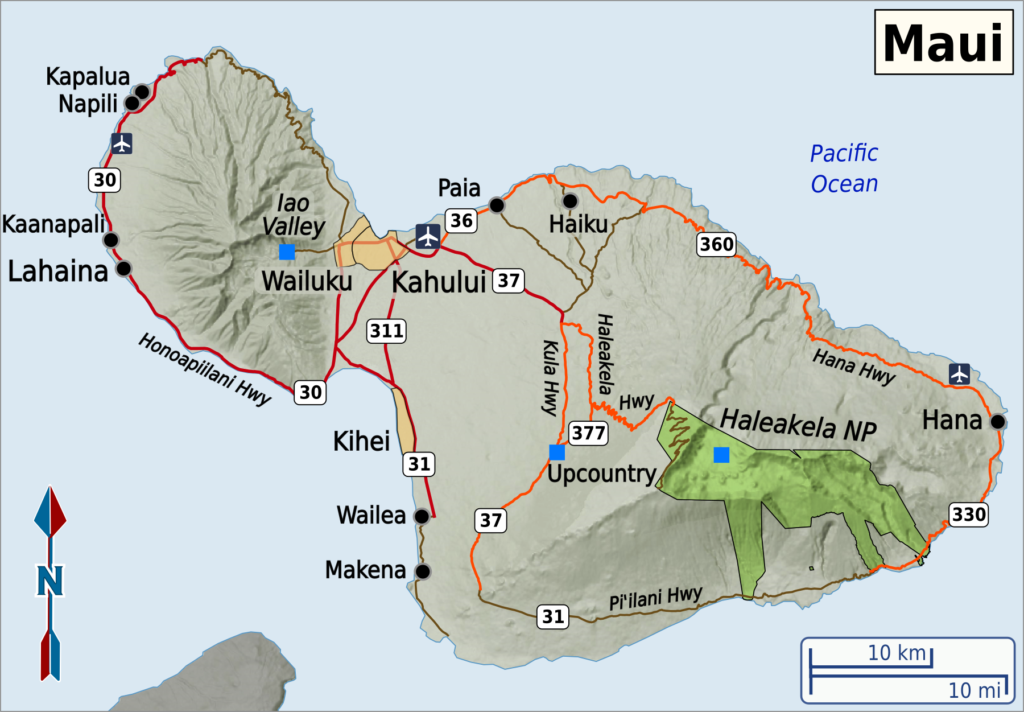
- Population: Approximately 154,100 residents (2020 Census)
- Size: Approximately 772 square miles
- Largest community: Kahului
- Main Airport: Kahului Airport (OGG)
- Recommended stay: At least 5 to 7 days for a first visit
Where Should You Stay on Maui?
Where you stay on Maui can make a big difference because the island’s main visitor areas are spread out.
South Maui is one of the most convenient choices for a first visit. Kīhei has condominium rentals, casual restaurants, shops, and several beaches, while nearby Wailea is more resort-focused and upscale. This side of the island is generally sunny and makes a good base for exploring Haleakalā, Upcountry Maui, and the Road to Hāna.
West Maui is another popular resort area. Kāʻanapali has a long beach, resorts, restaurants, and shopping, while Kapalua is quieter and known for beautiful scenery and luxury accommodations. Drive times can be longer when visiting attractions in Central, Upcountry, or East Maui, so keep that in mind when planning your days.
Hāna is peaceful and scenic, but it is remote. Staying overnight can give you more time to enjoy East Maui without completing the entire Road to Hāna drive in one day. Upcountry Maui is another quieter option, with cooler temperatures, farms, and beautiful views, although it is less convenient if most of your plans involve the beach.
For most first-time visitors, I would choose either South Maui or West Maui and use a rental car to explore the rest of the island.
Do You Need a Rental Car on Maui?
For most visitors, I recommend renting a car. Maui is spread out, and many of its most popular places, including Haleakalā, Upcountry Maui, the Road to Hāna, and beaches outside the main resort areas, are difficult to reach without one.
Maui does have a public bus system, but it does not provide the flexibility most visitors need for a full sightseeing itinerary. You may be able to skip the rental car if you plan to stay mainly at your resort and book guided tours. However, having a car for at least part of your trip will make exploring much easier.
If you are not comfortable driving the narrow, winding Road to Hāna, a guided tour can be a good alternative. It allows everyone in your group to enjoy the scenery without requiring one person to concentrate on the road all day.
How Many Days Do You Need on Maui?
I recommend spending at least five to seven days on Maui. That gives you enough time for Haleakalā, the Road to Hāna, a few beaches, Upcountry Maui, and some slower days without trying to fit everything into a rushed schedule.
You can see several highlights in three or four days, but Maui’s attractions are spread across the island, and driving often takes longer than visitors expect. If Maui is the main destination for your trip, a full week is a much more comfortable amount of time.
Things You Shouldn’t Miss on Maui
Haleakalā National Park
Location: 30,000 Haleakalā Highway, Kula, HI 96790
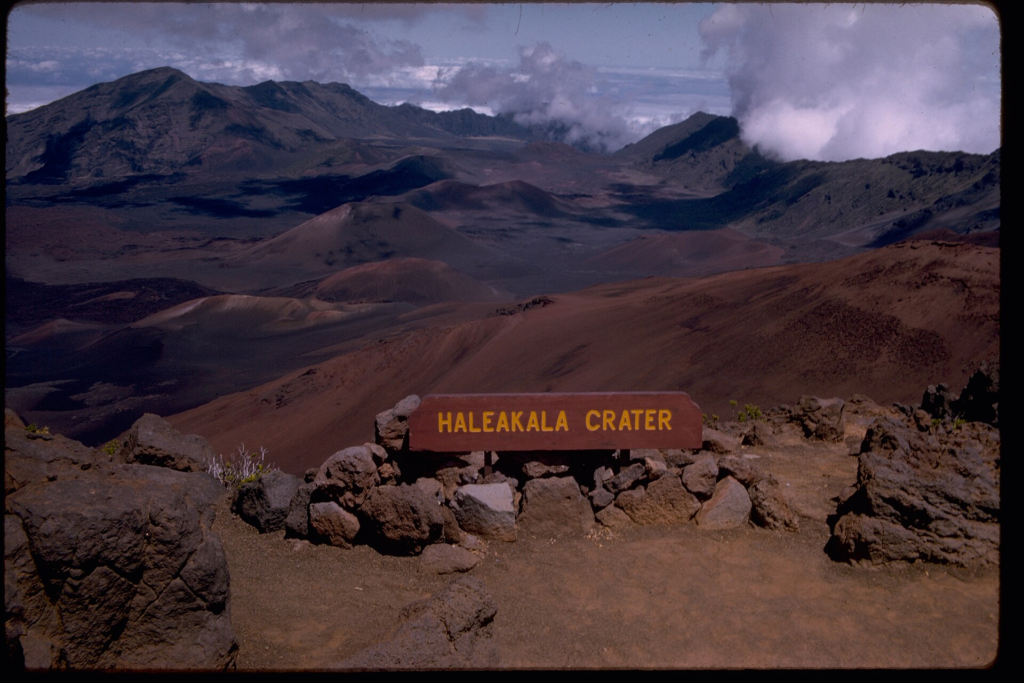
From Kahului Airport (OGG): The National Park Service recommends allowing approximately 2.5 hours to reach the summit.
Haleakalā National Park is one of Maui’s most unforgettable places. The Summit District reaches 10,023 feet above sea level and offers overlooks, hiking trails, volcanic landscapes, native plants, and expansive views above the clouds. Sunrise is the most famous time to visit, but the park is also beautiful during the day and at sunset.
For travelers who would rather skip the very early drive and parking logistics, the Maui: Majestic Haleakala Sunrise Tour with Pick-up is a highly rated option. The approximately eight-hour experience includes transportation, a guided visit to Haleakalā for sunrise, and breakfast, making it an easier way to experience one of Maui’s most memorable mornings.
A reservation is required for every vehicle entering the Summit District between 3:00 a.m. and 7:00 a.m. Sunrise reservations cost $1 per vehicle and are separate from the park entrance fee. Reservations are released online up to 60 days in advance, with another group released two days before the visit at 7:00 a.m. Hawaiʻi Standard Time. The person whose name appears on the reservation must be present and show identification.
A standard entrance pass currently costs $30 for a private vehicle and is valid for three days. It includes both the Summit and Kīpahulu districts of Haleakalā National Park. A sunrise reservation is not required if you enter after 7:00 a.m. or visit for sunset, but the regular entrance fee still applies.
Fill your gas tank before driving up the mountain. There are no gas stations, food vendors, or clothing stores inside the park. The last place to purchase gas on the way to the Summit District is Pukalani. Bring warm layers because temperatures near the summit can be cold, windy, rainy, and sometimes below freezing, especially before sunrise.
One tip: Do not skip Haleakalā if sunrise reservations are unavailable. You can enter the Summit District after 7:00 a.m. without a sunrise reservation, and visiting later in the morning or afternoon still gives you plenty of time to enjoy the overlooks, trails, and volcanic scenery. If you plan to stay for sunset, arrive early because parking can fill on busy days.
You can find current weather conditions, road closures, entrance fees, safety information, and park updates on the official Haleakalā National Park website. Sunrise reservations must be made through the official Recreation.gov reservation page.
Road to Hāna
Location: Hāna Highway, Routes 36 and 360, from Kahului and Pāʻia to Hāna
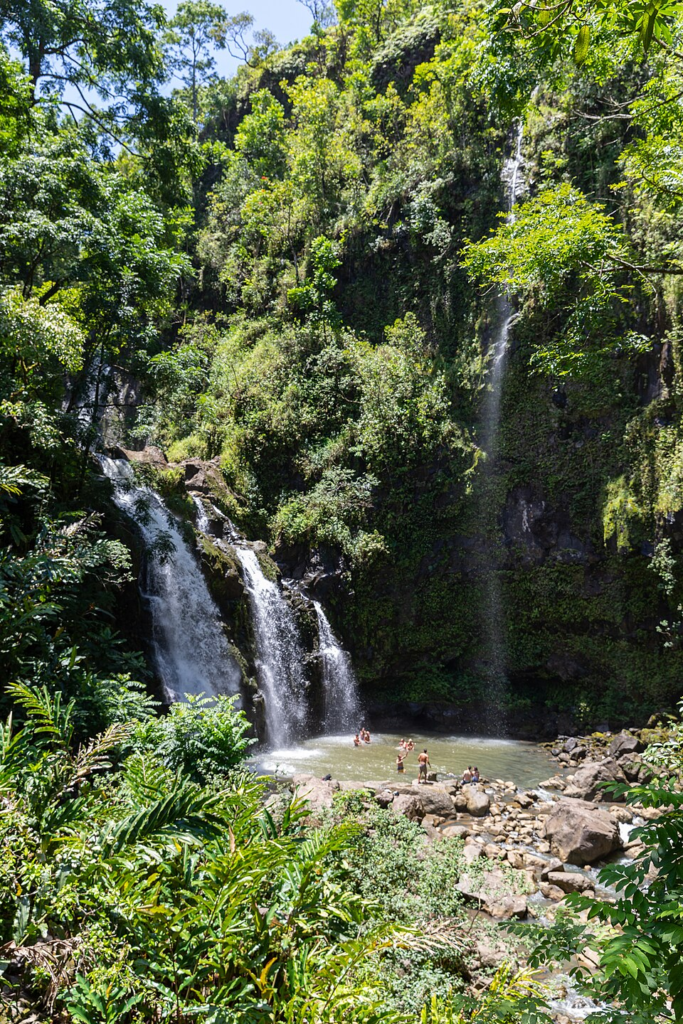
From Kahului Airport (OGG): Hāna is approximately 52 miles away. The drive normally takes two to four hours without extended sightseeing stops.
The Road to Hāna is one of Maui’s most famous scenic drives. The highway has approximately 620 curves and 59 bridges, including many narrow and one-lane bridges. Along the way, you will pass rainforest scenery, waterfalls, coastal views, gardens, small farms, and local food stands.
The drive is about the journey, not simply reaching Hāna. I recommend treating it as a full-day outing and starting early. Fill your gas tank before leaving Kahului or Pāʻia, and bring water, snacks, rain gear, and anything else you may need for the day.
For travelers who would rather enjoy the scenery without navigating the Road to Hāna themselves, the Small-Group Road to Hana Adventure Tour with Pickup & Lunch is a highly rated option. The full-day tour includes transportation, a guide, lunch, and stops along the famous Hāna Highway, allowing you to focus on the waterfalls, rainforest, coastline, and other sights along the way.
Only park in designated areas, and never stop where your vehicle blocks the highway. Some attractions promoted online are located on private property or do not have legal visitor access. Follow posted signs, stay away from closed areas, and do not enter streams during heavy rain or flash-flood conditions.
Drivers should take their time and allow local traffic to pass when it is safe. If you are uncomfortable driving narrow roads and one-lane bridges, consider booking a tour with a permitted professional guide. This allows everyone in your group to enjoy the scenery without requiring one person to concentrate on the road throughout the day.
One tip: Be honest about your comfort level before deciding to drive the Road to Hāna. The highway has approximately 620 curves and 59 bridges, including several narrow and one-lane bridges. If that type of driving makes you uncomfortable, consider booking a permitted guided tour so everyone in your group can relax and enjoy the scenery.
You can find additional information, responsible-travel reminders, and updates on the official Hāna page from the Hawaiʻi Tourism Authority.
Waiʻānapanapa State Park
Location: Off Hāna Highway near Hāna, HI 96713
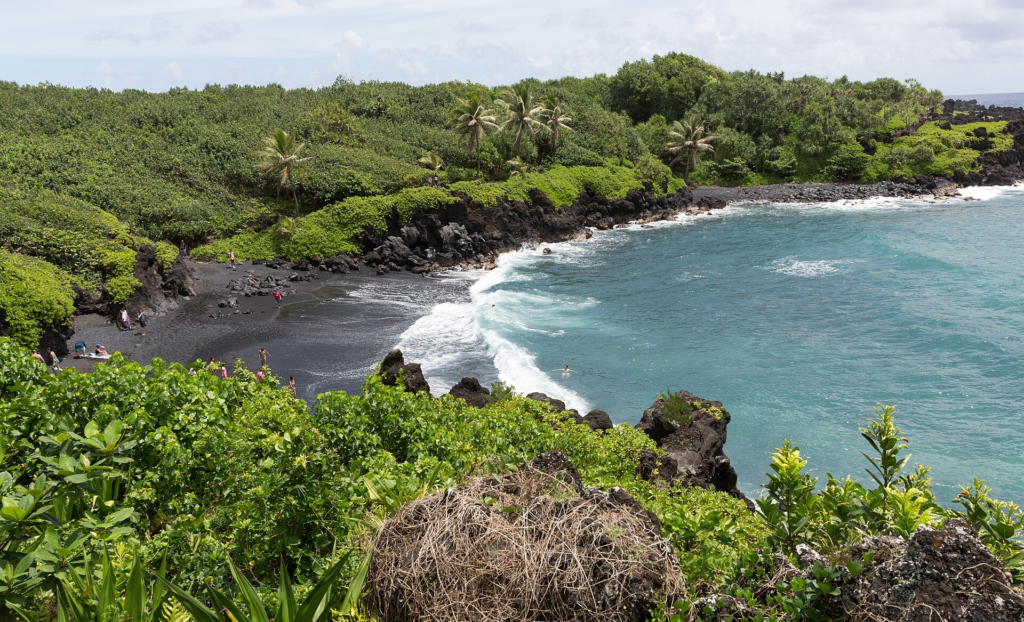
From Kahului Airport (OGG): The park is approximately 50 miles away. Allow at least 2.5 to 3 hours without sightseeing stops, and considerably longer if you are exploring the Road to Hāna along the way.
Waiʻānapanapa State Park is known for its rugged volcanic coastline and small black sand beach. The park also has sea stacks, blowholes, a natural stone arch, native hala forest, cultural sites, and a coastal hiking trail. It is one of the most memorable stops near Hāna, but it requires advance planning.
Visitors who are not Hawaiʻi residents must reserve parking and admission online before arriving. Reservations may be made up to 30 days in advance, and popular time slots can sell out. The current nonresident fee is $5 per person, plus $10 for parking. Children age three and younger are admitted free. Hawaiʻi residents with valid state identification are exempt from the reservation and fee requirements.
Arrive during your reserved time and download or save your reservation confirmation before beginning the drive. Cell service near the park may be limited. Ocean conditions can be rough, so follow all warning signs and do not assume the black sand beach is safe for swimming. Please respect the park’s cultural sites and never remove sand, rocks, plants, or other natural materials.
One tip: Plan your Waiʻānapanapa reservation time before organizing the rest of your Road to Hāna stops. You must arrive during your reserved period, and arriving late may result in being turned away. Save a screenshot of your reservation and QR code before beginning the drive because cell service near the park can be limited.
You can find current hours, fees, park notices, and available time slots on the official Waiʻānapanapa State Park reservation website.
ʻĪao Valley State Monument
Location: End of ʻĪao Valley Road, Wailuku, HI 96793
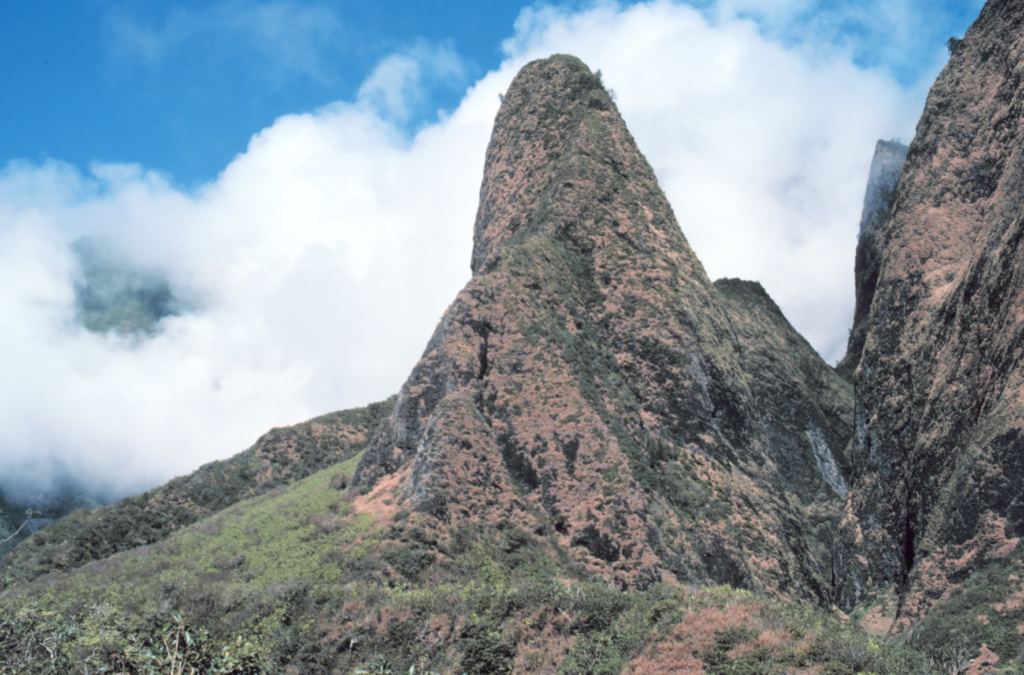
From Kahului Airport (OGG): Approximately 10 miles and 20 to 25 minutes, depending on traffic.
ʻĪao Valley State Monument is a lush, peaceful area in the West Maui Mountains and one of the most recognizable places on the island. Its best-known landmark is Kukaʻemoku, commonly called the ʻĪao Needle, which rises approximately 1,200 feet above the valley floor.
A paved 0.6-mile walkway leads through a botanical area and to a viewpoint overlooking Kukaʻemoku and the surrounding valley. Most visitors spend about 30 to 60 minutes here. The valley is also culturally and historically important because it was the location of the Battle of Kepaniwai in 1790.
Advance reservations are required for visitors who are not Hawaiʻi residents. The current entrance fee is $5 per person, plus $10 for parking. Children age three and younger are admitted free. Hawaiʻi residents with valid state identification do not need a reservation and are not charged entrance or parking fees.
The monument is normally open daily from 7:00 a.m. to 6:00 p.m., but weather can affect access. Rain is common, and trails and walkways may be slippery. Stay on designated paths, respect all barriers, and never enter areas that are closed.
One tip: Most visitors spend about 30 to 60 minutes at ʻĪao Valley, so you do not need to reserve an entire day for it. Arrive within the first 30 minutes of your reserved time, then consider combining your visit with Wailuku or Maui Ocean Center while you are already in Central Maui.
You can find current hours, available time slots, fees, and park notices on the official ʻĪao Valley reservation website.
Kāʻanapali Beach
Location: Kāʻanapali, Lahaina, HI 96761
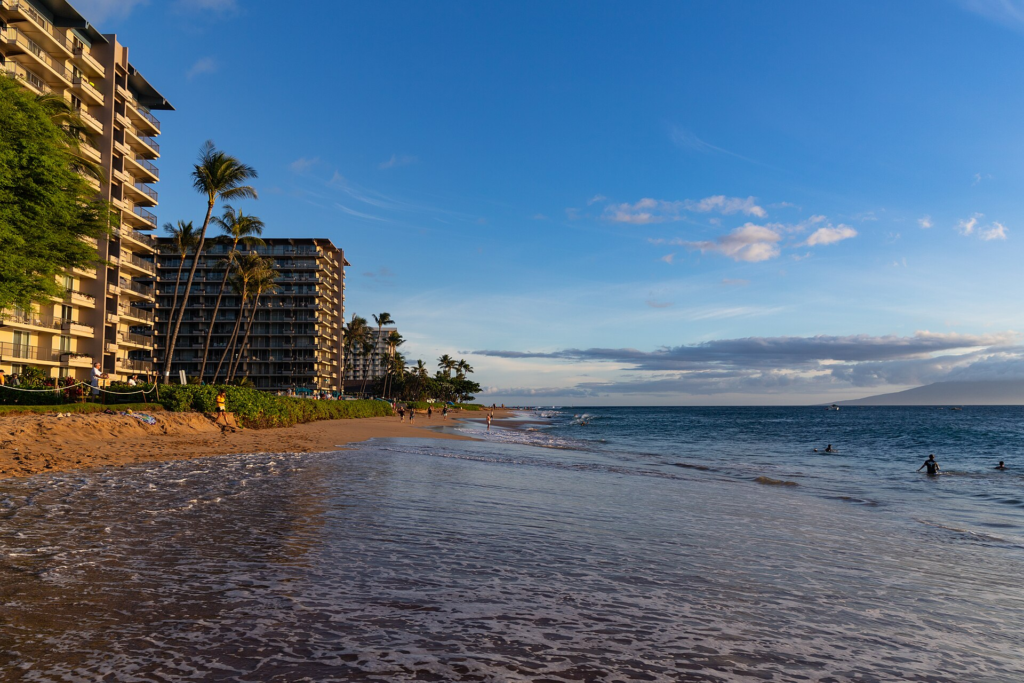
From Kahului Airport (OGG): Approximately 30 miles and 50 minutes, depending on traffic.
Kāʻanapali Beach is one of Maui’s best-known beaches, with approximately three miles of white sand along the island’s western coast. The beach fronts several hotels and resorts, but it is open to the public. A paved beachfront walkway connects the resort area with restaurants and shopping.
Puʻu Kekaʻa, commonly called Black Rock, is located at the northern end of the beach and is a popular snorkeling area when ocean conditions are calm. Conditions can change quickly, so check for warning signs, stay within your ability level, and choose an area near a lifeguard whenever possible.
Public beach access and paid parking are available, although parking can fill quickly. The official visitor website currently lists parking at $2 per 30 minutes. Restrooms, lifeguards, restaurants, and shopping are available nearby. Arriving earlier in the day can make finding parking easier.
One tip: If you are staying in the Kāʻanapali resort area, leave your car parked and use the beachfront walkway to reach the beach, restaurants, and nearby shopping. If you are driving in for the day, arrive early and look specifically for designated public beach parking because spaces are limited and resort parking may be expensive.
You can find current beach information and available amenities on the official Kāʻanapali Beach visitor page.
Upcountry Maui
Location: Makawao and Kula, on the slopes of Haleakalā
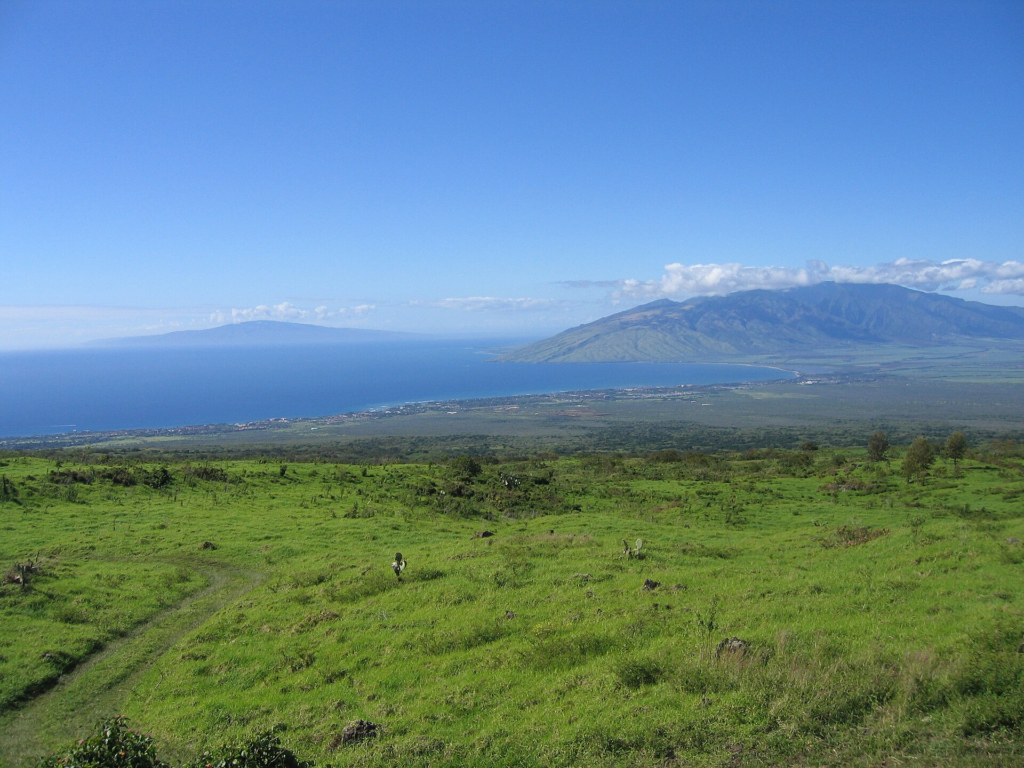
From Kahului Airport (OGG): Approximately 20 to 45 minutes, depending on which part of Upcountry Maui you are visiting.
Upcountry Maui offers a completely different side of the island. The area sits at a higher elevation on the slopes of Haleakalā, with cooler temperatures, rolling farmland, small towns, botanical gardens, and wide views of Maui’s central valley and coastline.
Makawao is known for its paniolo, or Hawaiian cowboy, history. The town has locally owned shops, galleries, restaurants, and bakeries. It is a pleasant place to walk around and can be combined with a visit to nearby farms or other Upcountry attractions.
Kula is known for its farms, gardens, locally grown produce, and views across the island. Depending on what is open during your visit, you may find farm tours, farmers markets, roadside stands, and places offering locally made food and drinks. Some farms and gardens require reservations, so check directly with each business before visiting.
Upcountry roads pass through residential and agricultural areas. Drive carefully, park only in designated spaces, and do not enter private property. Temperatures can also be noticeably cooler than at the beach, so bringing a light layer is a good idea.
One tip: Choose the Upcountry farms, gardens, or small businesses you want to visit before you begin driving. Some require advance reservations, operate only on certain days, or close earlier than expected. Upcountry Maui is also easy to combine with Haleakalā because you will already be traveling through the same general part of the island.
You can find more information about Makawao, Kula, farms, and attractions on the official Upcountry Maui visitor page.
Aliʻi Kula Lavender Farm
Location: 1100 Waipoli Road, Kula, HI 96790
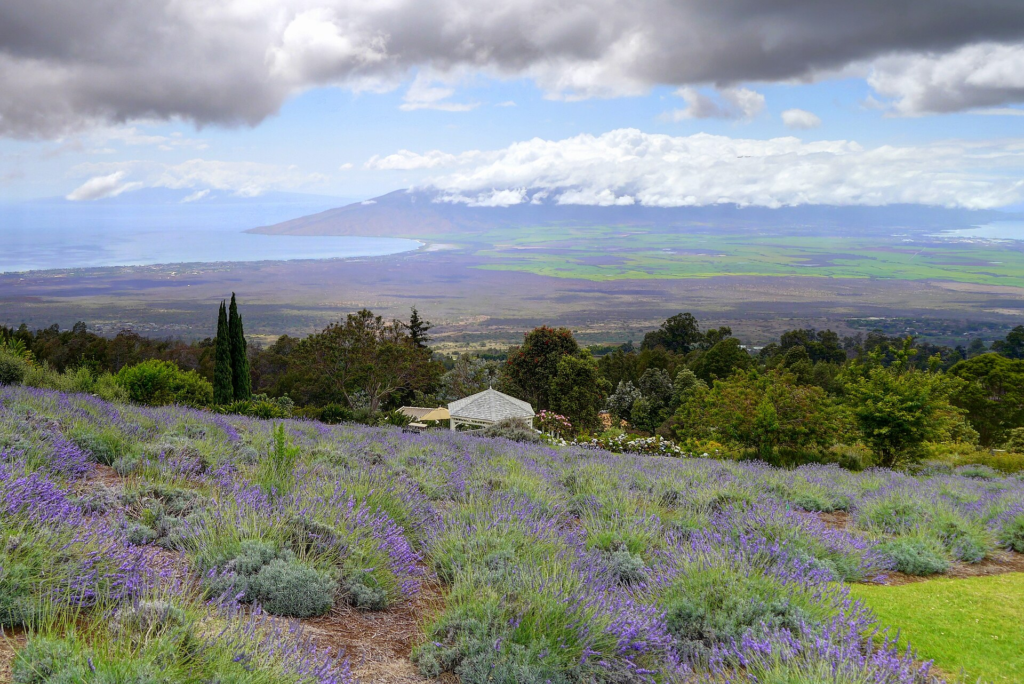
From Kahului Airport (OGG): Approximately 20 miles and 35 to 45 minutes, depending on traffic.
Aliʻi Kula Lavender Farm sits at approximately 4,000 feet on the slopes of Haleakalā. The 13.5-acre property includes lavender gardens, other flowers and plants, scenic views, walking paths, and a gift shop with lavender products.
Visitors can explore the farm on a self-guided walk. Reservations are not required for regular admission, and guided walking tours are no longer offered. The farm is currently open Friday through Monday from 10:00 a.m. to 4:00 p.m. and closed Tuesday through Thursday.
General admission currently costs $5 per person. Seniors, military members, and Hawaiʻi residents pay $2 with valid identification, and children age 12 and younger are admitted free.
Some lavender varieties bloom throughout the year, but the main lavender fields normally reach their peak during July and August. The property is located on sloped terrain, and some paths are not accessible to wheelchairs or strollers. Wear comfortable walking shoes and bring a light jacket because temperatures can be cooler at this elevation.
One tip: Try to arrive by 3:00 p.m. so you have enough time to explore the gardens before closing. Do not expect every field to be covered in lavender outside the summer blooming season, but there are still other flowers, plants, views, and lavender products to enjoy throughout the year.
You can find current hours, admission information, and visitor updates on the official Aliʻi Kula Lavender Farm website.
Molokini Crater
Location: About 3 miles off Maui’s southwestern coast
Access: Boat only; snorkeling and diving tours commonly depart from Māʻalaea Harbor and South Maui
Molokini is a crescent-shaped volcanic islet and one of Maui’s best-known snorkeling and diving destinations. The protected inner cove is part of the Molokini Shoal Marine Life Conservation District and is known for clear water, coral habitat, and a variety of reef fish.
Because Molokini is offshore, visitors cannot drive directly to it. The usual way to visit is on a permitted boat excursion. Morning trips are popular because ocean conditions can become windier later in the day. Visitors should follow the crew’s safety instructions, avoid touching or standing on coral, and never feed or disturb marine life. Landing on the Molokini islet itself is prohibited.
For travelers who want a shorter excursion, the 2-Hour Molokini Guaranteed Snorkel Trip from Maui is a highly rated option focused specifically on snorkeling at Molokini without taking up most of the day.
One Tip: Ocean conditions determine whether a boat can safely visit Molokini. Tour routes may change when wind or waves make the crater unsuitable, so check the operator’s current conditions and policies before your trip.
Kīpahulu District and Pīpīwai Trail
Location: Mile Marker 41, Hāna Highway, Hāna, HI 96713
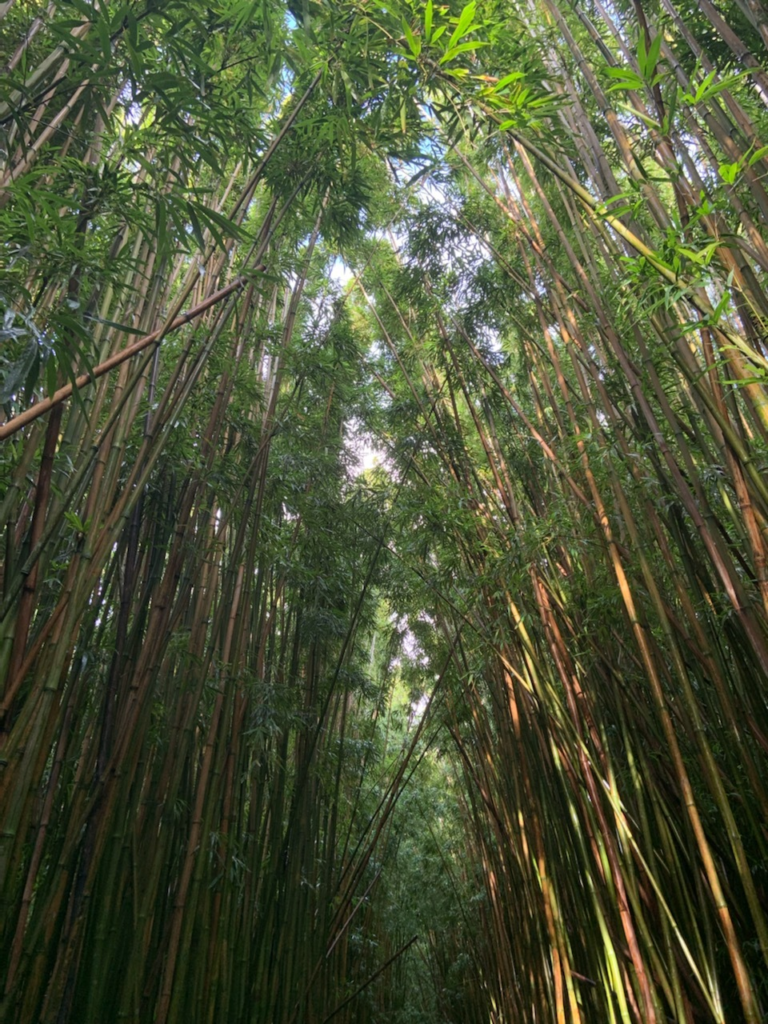
From Kahului Airport (OGG): The National Park Service estimates approximately 2.5 to 4 hours without extended stops. Most visitors should allow considerably longer when combining it with stops along the Road to Hāna.
The Kīpahulu District is the remote coastal section of Haleakalā National Park. Although the Summit and Kīpahulu districts are part of the same national park, they are not connected by a road. Kīpahulu must be reached by traveling along the Hāna Highway.
The Pīpīwai Trail is a moderately strenuous four-mile round-trip hike with approximately 800 feet of elevation gain. The trail passes Makahiku Falls about half a mile from the trailhead, reaches the bamboo forest after approximately one mile, and continues to the Waimoku Falls viewing area at the two-mile point.
Allow at least two to four hours to complete the hike, depending on trail conditions and your pace. The trail can be muddy and slippery, and the area is often hot, humid, and rainy. Bring water, food, sunscreen, mosquito repellent, rain protection, and sturdy shoes. Stay on the marked trail because approaching waterfalls or entering closed areas can expose visitors to flash floods and falling rocks.
Visitors who prefer a shorter walk can take the 0.5-mile Kūloa Point Trail. This trail provides coastal views and a safe viewpoint overlooking the Pools of ʻOheʻo. The pools are currently not accessible for swimming or wading because of serious safety concerns.
A standard Haleakalā National Park entrance pass currently costs $30 for a private vehicle and is valid for three days. The same pass covers both the Summit and Kīpahulu districts, so keep your receipt if you plan to visit both. The park does not accept cash.
Fill your gas tank and bring food before beginning the drive. There is no gas or food available inside the Kīpahulu District, and emergency medical assistance may be at least one hour away.
One tip: Arrive early enough to complete the Pīpīwai Trail and begin your return drive while there is still daylight. The hike can take two to four hours, and driving the narrow, winding Hāna Highway after dark can be tiring and difficult, especially if it is raining.
You can find current trail conditions, closures, safety information, and visitor updates on the official Kīpahulu District website.
Mākena State Park
Location: Mākena Alanui Road, Mākena, HI 96753
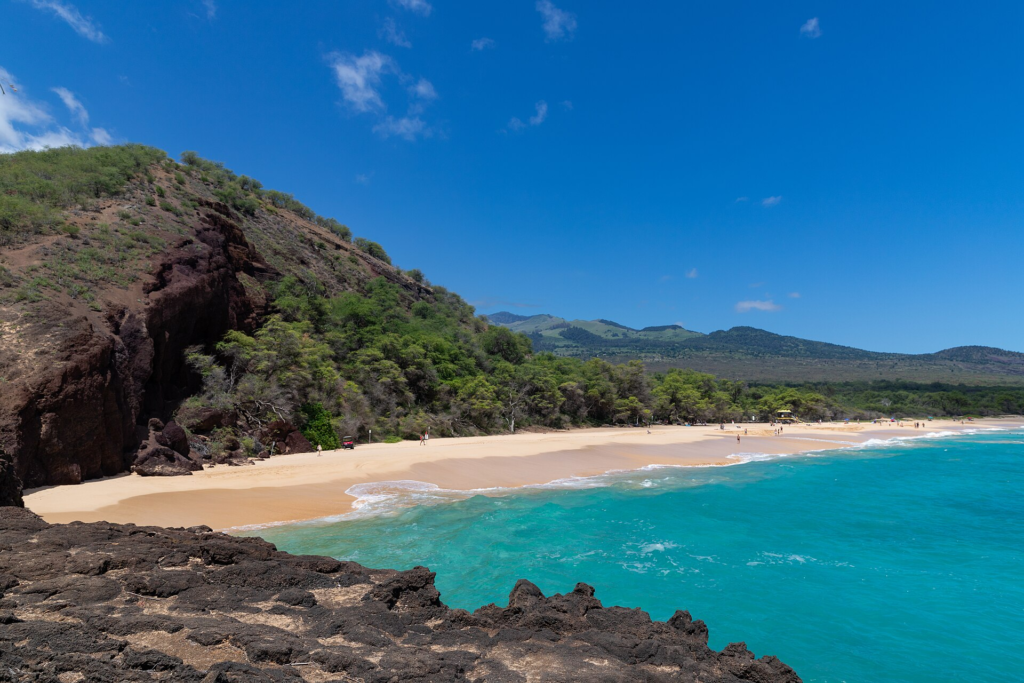
From Kahului Airport (OGG): Approximately 20 miles and 35 to 45 minutes, depending on traffic.
Mākena State Park is home to Oneloa, commonly called Big Beach, one of Maui’s largest and most recognizable beaches. The park also includes Oneuli Beach, which has dark volcanic sand, and Puʻu Olaʻi, the prominent cinder cone separating Big Beach from Little Beach.
Big Beach has a long, wide stretch of sand with views of Molokini and Kahoʻolawe. It is a beautiful place for walking, relaxing, and watching the ocean, but the powerful shore break can be extremely dangerous. Waves may appear calm before breaking suddenly near the shoreline. Visitors who are not experienced in strong ocean conditions should remain out of the water when waves are large.
The park is normally open from 5:00 a.m. to 7:00 p.m. Hours extend to 7:45 p.m. during May, June, and July. Little Beach closes at 4:00 p.m. on Saturdays and Sundays. Check the official park website before visiting because weather, ocean conditions, or maintenance may affect access.
The current nonresident entrance fee is $5 per person, plus $10 for parking. Children age three and younger are admitted free. Hawaiʻi residents with valid state identification receive free entrance and parking. Advance reservations are not currently required, and parking can be paid for after arrival using the park kiosk or posted QR code.
There is no drinking water available inside the park, so bring plenty of water, sun protection, and anything else you will need. Shade is limited, and the sand can become very hot during the middle of the day.
One tip: Never turn your back on the ocean at Big Beach, and keep children well away from the water when the shore break is strong. If waves are breaking forcefully near the sand, enjoy the beach from shore instead of entering the water. Big Beach is not a good place for inexperienced swimmers when conditions are rough.
You can find current hours, parking information, fees, safety notices, and park updates on the official Mākena State Park website.
Maui Ocean Center
Location: 192 Māʻalaea Road, Wailuku, HI 96793
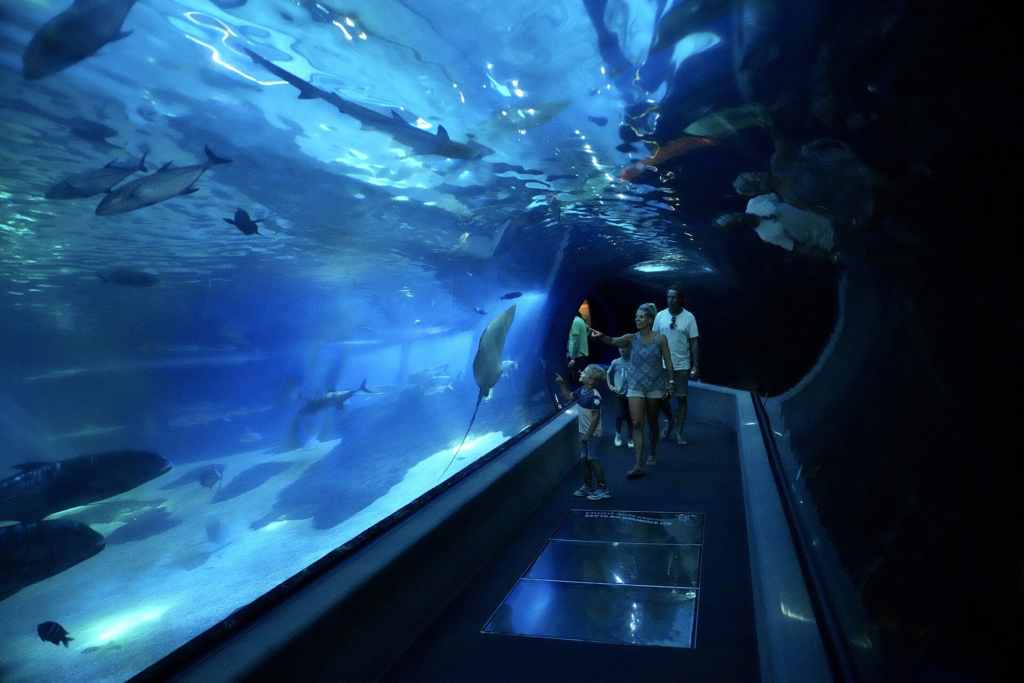
From Kahului Airport (OGG): Approximately 9 miles and 15 to 20 minutes, depending on traffic.
Maui Ocean Center is an aquarium and marine education center located at Māʻalaea Harbor. It is a good choice for families, visitors interested in Hawaiian marine life, or anyone looking for an indoor and outdoor activity on a rainy or especially hot day.
The exhibits feature Hawaiian coral reefs, sharks, rays, tropical fish, and honu, or Hawaiian green sea turtles. The Open Ocean exhibit includes a walkthrough underwater tunnel, while the Humpbacks of Hawaiʻi Sphere provides an immersive 3D experience about humpback whales. General admission includes the aquarium exhibits and Sphere experience.
Most visitors spend approximately two to three hours exploring the aquarium. Maui Ocean Center is normally open daily from 9:00 a.m. to 5:00 p.m., with final admission at 4:00 p.m. Hours are shorter on Thanksgiving Day, Christmas Eve, and Christmas Day.
General admission prices currently start at $49.95 for adults, $44.95 for seniors age 65 and older, and $39.95 for children ages 4 through 12. Children age three and younger are admitted free. Prices can change based on the date and attendance, so purchasing tickets in advance may provide a lower price.
Discounted admission is currently available for Hawaiʻi residents and U.S. military members with valid identification. Discounted rates currently start at $29.95 for adults, $26.95 for seniors, and $19.95 for children.
Paid parking is available in the lot in front of the aquarium. Visitors register and pay for parking by scanning the QR code posted on the parking signs. Parking is managed separately and is not paid at the aquarium entrance.
One tip: Purchase your admission tickets in advance because prices may be higher for same-day purchases. When you arrive, register and pay for your parking immediately using the QR code posted in the lot. Parking is managed separately from the aquarium, so it is not included with your admission ticket.
You can find current admission prices, hours, exhibits, special experiences, and visitor information on the official Maui Ocean Center website.
Local Places to Eat and Shop on Maui
One of the best ways to experience Maui is through its locally owned restaurants, bakeries, farms, markets, and stores. Hours and operating days can change, so check each business’s official website or social media page before making a special
Popular Local Places to Eat
Sam Sato’s
Location: 1750 Wili Pa Loop, Wailuku, HI 96793
Sam Sato’s is a Maui institution that has served local families since 1933. It is best known for dry mein, a flavorful noodle dish served with broth, along with saimin, barbecue sticks, manju, breakfast, and local-style plate lunches. The restaurant can become busy around breakfast and lunch, so be prepared for a possible wait.
Tin Roof
Location: 360 Papa Place, Suite 116, Kahului, HI 96732
Tin Roof is a casual takeout shop owned by chef Sheldon Simeon and his wife, Janice. The menu features local-style comfort food such as mochiko chicken, garlic shrimp, pork belly, poke bowls, noodles, and rotating specials. Its location near Kahului Airport makes it a convenient place to stop after arriving on Maui or before a departing flight.
T. Komoda Store and Bakery
Location: 3674 Baldwin Avenue, Makawao, HI 96768
T. Komoda Store and Bakery is a family-run Makawao institution established in 1916. The bakery is especially known for its stick doughnuts, cream puffs, long johns, and guava malasadas. Popular items sometimes sell out before closing, so visiting earlier in the day usually provides the best selection.
Komoda does not maintain a full official website, so call 808-572-7261 before making a special trip if you need to confirm current hours.
Tasaka Guri-Guri
Location: Maui Mall Village, 70 East Kaʻahumanu Avenue, Suite C-13, Kahului, HI 96732
Tasaka Guri-Guri is a longtime family business serving a frozen dessert that has become a Maui tradition. Guri-guri is smooth and creamy, but lighter than ice cream, and the shop keeps things simple by offering strawberry and pineapple flavors. Many customers order a scoop of each.
Grandma’s Coffee House
Location: 9232 Kula Highway, Kula, HI 96790
Grandma’s Coffee House is a family-owned Upcountry restaurant serving locally roasted organic coffee, homemade breakfasts, lunches, and baked goods. It is a welcoming stop when exploring Kula, visiting Haleakalā, or spending the day in Upcountry Maui.
Aunty Sandy’s Banana Bread
Location: 210 Keʻanae Road, Haʻikū, HI 96708
Aunty Sandy’s is a family-owned food stand on the Keʻanae Peninsula along the Road to Hāna. It is best known for warm banana bread baked fresh throughout the day, along with smoothies, sandwiches, and other local treats. The banana bread can sell out, so it is best to stop earlier in the day.
Leoda’s Kitchen and Pie Shop
Location: 820 Olowalu Village Road, Lahaina, HI 96761
Leoda’s Kitchen and Pie Shop is a casual Olowalu restaurant known for handcrafted sandwiches, freshly baked bread, salads, and small sweet and savory pies. Popular choices include banana cream, chocolate macadamia nut, coconut cream, and Olowalu lime pies. Some varieties can sell out later in the day.
Ululani’s Hawaiian Shave Ice
Locations: Multiple locations on Maui, including 333 Dairy Road, Kahului, HI 96732
Ululani’s began on Maui in 2008 and has become known for finely shaved ice, flavorful syrups, and toppings such as ice cream, mochi, and sweetened condensed milk. Visitors can choose from many individual flavors or try one of the shop’s signature combinations.
Popular Local Places to Shop
Upcountry Farmers Market
Location: 55 Kiopaa Street, Makawao, HI 96768
The Upcountry Farmers Market brings together more than 100 Maui vendors at Kulamalu Town Center every Saturday morning. Visitors can shop for locally grown produce, tropical flowers, fresh fish, baked goods, prepared food, and artisan-made products. Arrive early for the widest selection and cooler temperatures.
Maui Swap Meet
Location: University of Hawaiʻi Maui College, 310 West Kaʻahumanu Avenue, Kahului, HI 96732
The Maui Swap Meet is a large outdoor market held every Saturday morning. Its many vendors sell local produce, food, clothing, jewelry, artwork, plants, handmade items, and affordable souvenirs. The market is outdoors with limited shade, so bring water and sun protection.
Native Intelligence
Location: 1980 Main Street, Suite 2, Wailuku, HI 96793
Native Intelligence is a Hawaiian cultural boutique featuring books, clothing, jewelry, artwork, lei, and traditionally inspired products from Hawaiian artists, craftspeople, and designers. It is a thoughtful place to shop for locally made items while learning more about Hawaiian culture and craftsmanship.
Maui Hands
Location: 1169 Makawao Avenue, Makawao, HI 96768
Maui Hands represents hundreds of artists and jewelers from across Hawaiʻi. Its galleries feature original paintings, photography, ceramics, woodwork, glass art, jewelry, textiles, and locally made gifts. In addition to its Makawao gallery, Maui Hands has locations in Pāʻia and Wailea.
Kula Country Farms
Location: 6240 Kula Highway, Kula, HI 96790
Kula Country Farms is a fourth-generation family farm with a year-round farm stand selling seasonal produce, flowers, local honey, jams, baked goods, and other Maui-made products. The farm also offers seasonal activities such as strawberry picking and its popular October pumpkin patch.
Hasegawa General Store
Location: 5165 Hāna Highway, Hāna, HI 96713
Hasegawa General Store is a fourth-generation family business that has served the Hāna community for more than a century. The store carries groceries, snacks, household necessities, clothing, and Hasegawa merchandise. It is both a practical stop during a Hāna visit and a surviving piece of local Maui history.
Final Thoughts on Visiting Maui
Maui has much more to offer than beaches and resort areas. You can spend one day watching the sunrise above the clouds at Haleakalā, another exploring Upcountry Maui, and another visiting waterfalls and coastal communities along the Road to Hāna. You can also slow down, enjoy local food, visit a farmers market, or spend an afternoon relaxing beside the ocean.
You do not need to fit everything in this guide into one trip. Choose the places that interest you most, group stops that are in the same part of the island, and allow extra time for Maui’s winding roads and changing weather. Some of the best days on Maui are the ones that leave room for an unexpected stop or a little time without a schedule.
Wherever you go, remember that Maui is home to local communities, wildlife, and culturally important places. Respect private property, follow posted signs and closures, avoid blocking roads or driveways, take your trash with you, and help protect the island for the people who live there and those who visit after you.